In 2026, the battle between “screen time” and “green time” is harder than ever. The solution? Electric Bikes. They are the ultimate tool to get kids off the couch and exploring the outdoors. However, navigating the market can be overwhelming for parents.
You likely have questions: Is it too fast? Is the battery fire-safe? Will they actually pedal?
The “Wild West” of dangerous e-bikes is over. The best electric bike for kids in 2026 focuses on three things: App-based parental controls, UL-certified fire-safe batteries, and speed limiters that grow with your child’s skills. Below is our detailed review of the top 7 electric bicycles, categorized by age and skill level.
1. STACYC 12eDrive (The Best Electric Bike for Toddlers)
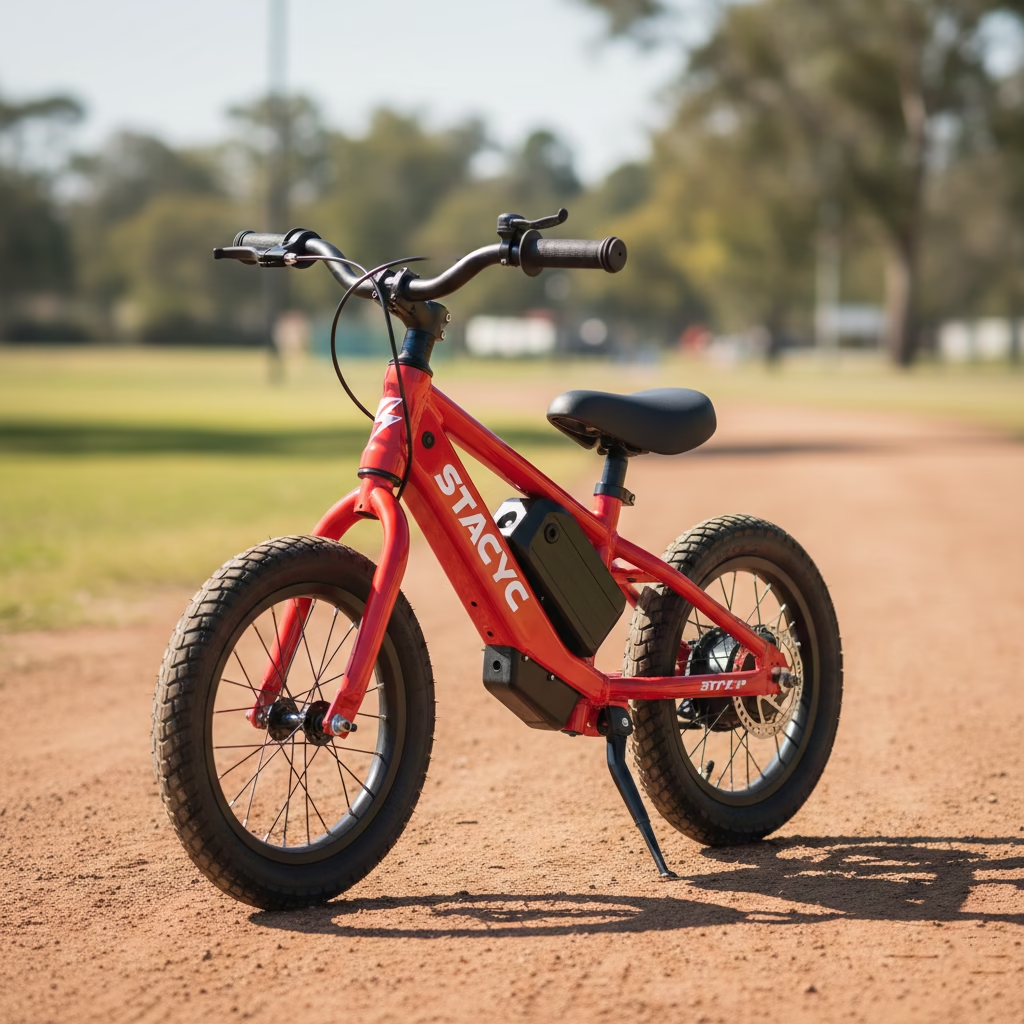
Category: Electric Balance Bike | Best For: Learning Balance
The STACYC 12eDrive remains the undisputed king of the entry-level market. It bridges the critical gap between a manual push-bike and a bicycle. Removing the pedals, it allows toddlers to master balance before they have to worry about pedaling.
Why it’s a winner:
Unlike heavy plastic ride-on toys, the STACYC features a TIG-welded aluminum frame, making it durable yet light enough for a 3-year-old to pick up. The 2026 model features an upgraded Brushless Motor, which provides smoother power delivery and doesn’t “jerk” when the throttle is twisted.
Quick Specs
| Feature | Details |
| Top Speed | 9 MPH (3 Modes: 5, 7, 9 MPH) |
| Age Range | 3 to 5 Years |
| Weight | 17 lbs (Ultra-Light) |
| Wheel Size | 12-inch Composite |
| Battery | 20V Industrial Lithium-Ion |
| Run Time | 30–60 Minutes |
Pros:
- Lightweight: At 17 lbs, toddlers can lift it themselves if they fall.
- Swappable Battery: Uses a power-tool style battery you can swap in seconds.
- Durability: Built like a BMX bike, not a toy.
- Training Modes: Low speed (5 MPH) is perfect for learning.
Cons:
- Price: Expensive for a bike that they might outgrow in 2 years.
- No Pedals: Cannot be ridden as a standard bicycle once the battery dies.
2. Super73 K1D (Safest Kids Electric Bike with Style)
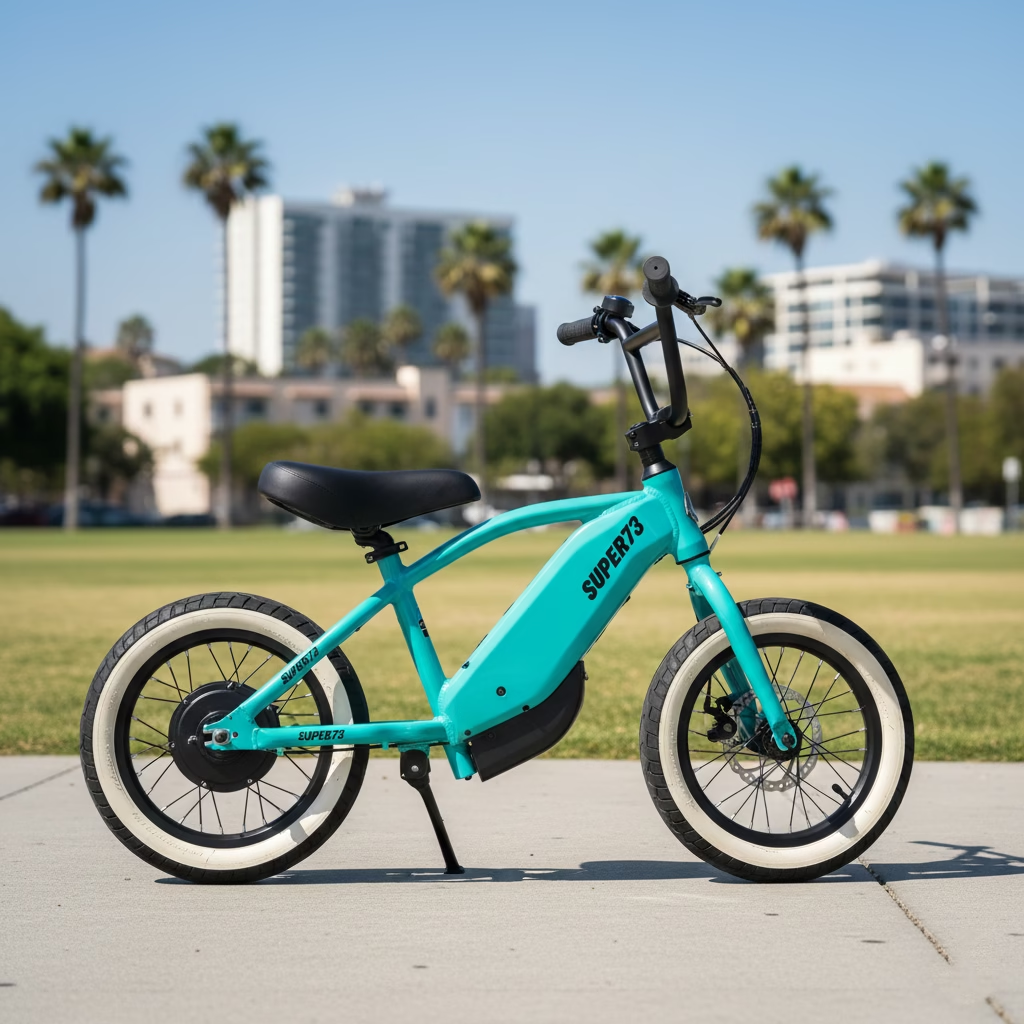
Category: Mini Cruiser | Best For: Safety & Style
Super73 is the brand every kid wants because it looks like a retro motorcycle. The K1D is their specific model designed for the youth market, and it boasts some of the best safety tech in the industry.
Why it’s a winner:
The K1D uses LiFePO4 (Lithium Iron Phosphate) battery technology. In 2026, this is crucial because LiFePO4 batteries are virtually fire-proof and have double the lifespan of standard lithium-ion batteries. The bike also features Regenerative Braking, meaning when the child lets off the throttle, the motor slows the bike down and recharges the battery simultaneously.
Quick Specs
| Feature | Details |
| Top Speed | 15 MPH (Class 2 Mode) |
| Age Range | 8 to 12 Years |
| Range | 60 Minutes Ride Time |
| Battery Tech | LiFePO4 (Fire Safe) |
| Brakes | Hydraulic Disc Brakes |
| Control | Smartphone App (Parental Lock) |
Pros:
- Battery Safety: Uses the safest battery chemistry available in 2026.
- Cool Factor: Looks exactly like the adult Super73 bikes.
- Regenerative Braking: Teaches kids throttle control and saves brake pads.
- App Control: Parents can limit speed via phone.
Cons:
- Heavy: Hard for smaller kids to maneuver when stopped.
- Price: Premium price tag for a kids’ bike.
3. Razor MX350 Dirt Rocket (Best Affordable Off-Road E-Bike)
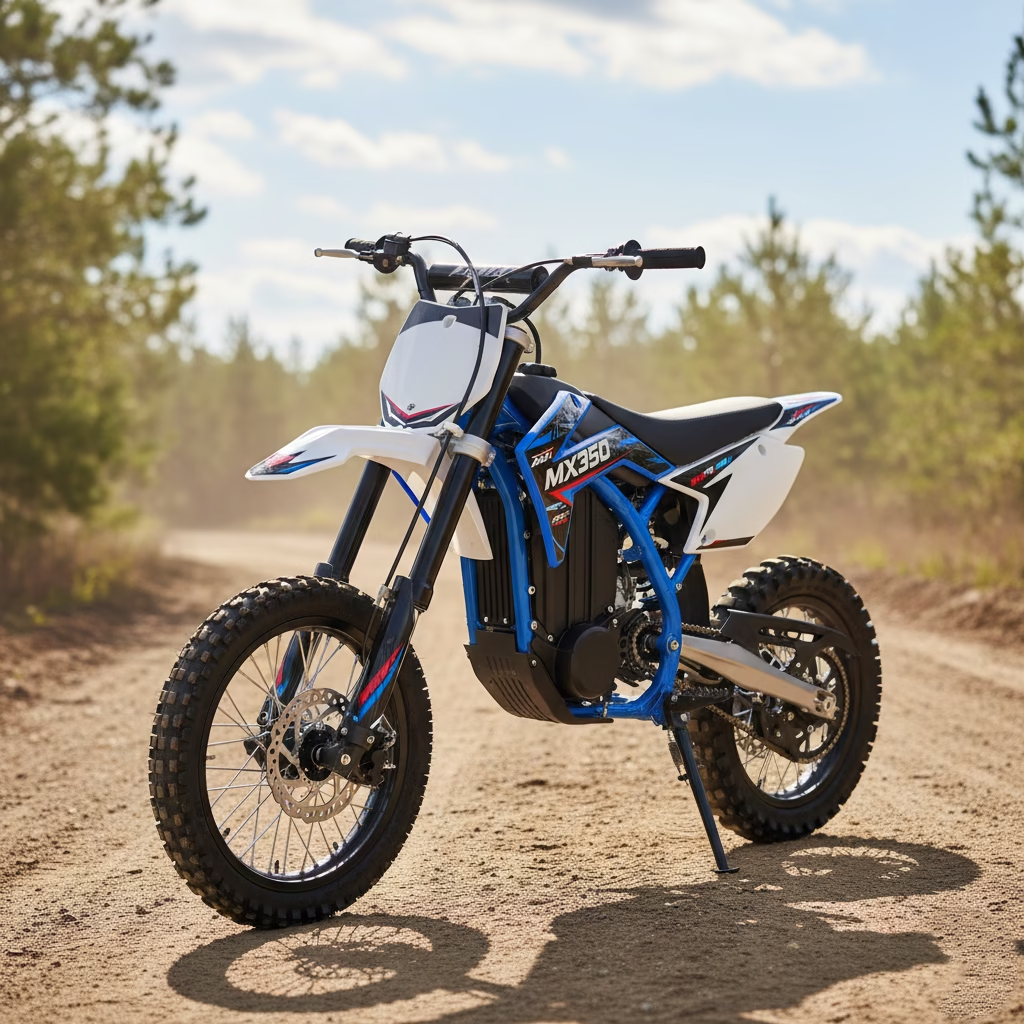
Category: Electric Dirt Bike | Best For: Budget & Backyard Fun
Not every parent wants to spend $1,000. The Razor MX350 Dirt Rocket is the legendary budget option. It is a scaled-down motocross bike that has introduced millions of kids to the world of two-wheeled fun.
Why it’s a winner:
It is simple, rugged, and purely mechanical. There are no fancy screens to break. It uses large, 12-inch pneumatic knobby tires, which provide excellent traction on dirt, gravel, and grass. While it uses older lead-acid battery tech (which makes it heavy), the steel frame is virtually indestructible.
Quick Specs
| Feature | Details |
| Top Speed | 14 MPH |
| Age Range | 13+ (Marketed), Fits 8-10 best |
| Motor | High-Torque Chain Driven |
| Battery | 24V Sealed Lead Acid |
| Run Time | ~30 Minutes |
| Frame | Steel |
Pros:
- Affordable: Best bang-for-buck electric dirt bike.
- Tires: Real rubber pneumatic tires grip dirt well.
- Simple: Easy to fix if something breaks.
Cons:
- Charging Time: Takes 12 hours to charge due to old battery tech.
- No Suspension: The ride is very bumpy on rough terrain.
- Noise: The chain drive is louder than hub motors.
4. Woom UP 5 (Best Lightweight Electric Mountain Bike)
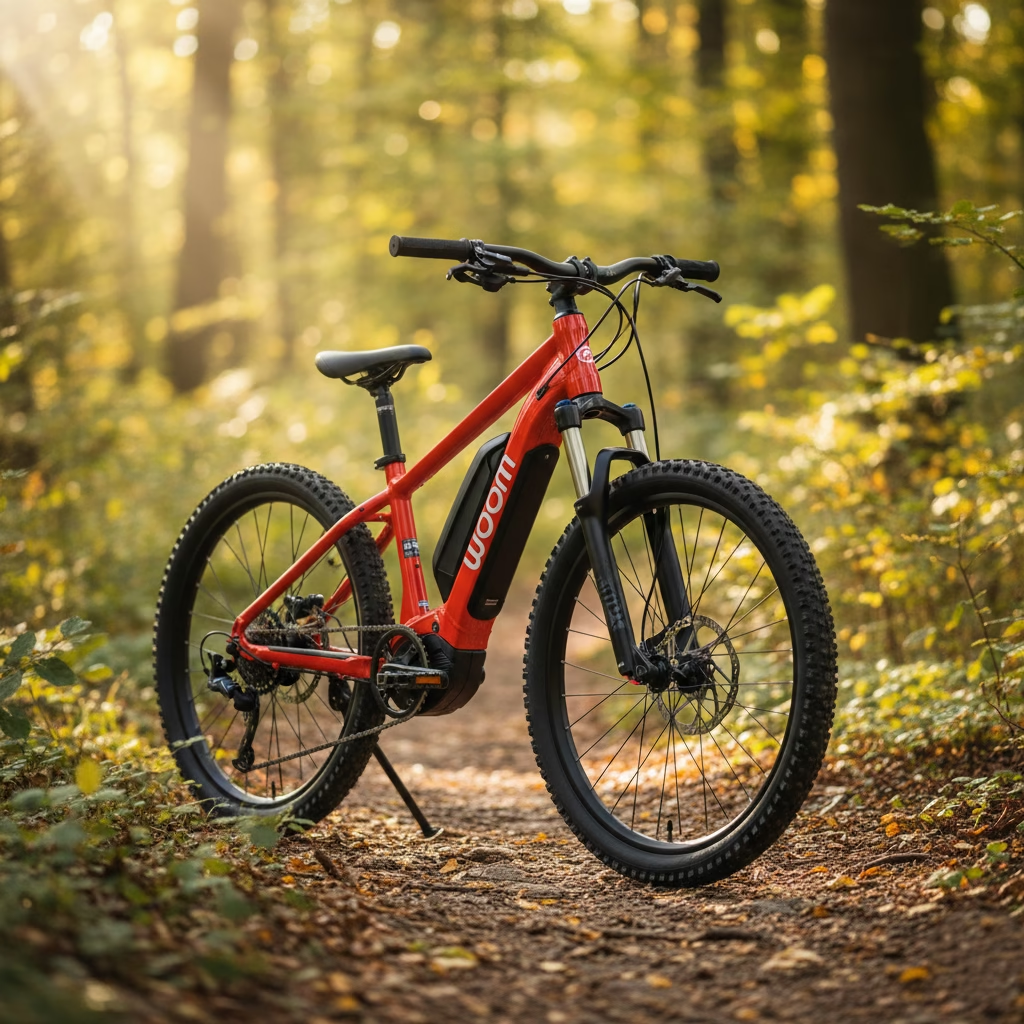
Category: Pedal Assist E-MTB | Best For: Fitness & Trails
For cycling families, the Woom UP 5 is a masterpiece. This is a “Pedelec,” meaning there is no throttle—the child must pedal to get motor assistance. It uses the sophisticated Fazua Evation drive system, which is removable.
Why it’s a winner:
Most kids’ e-bikes are heavy (50+ lbs). The Woom UP 5 weighs just 35 lbs. This makes it a lightweight electric mountain bike for kids that they can actually maneuver on trails. The motor assist stops at 12 MPH, ensuring they don’t go dangerously fast on downhills.
Quick Specs
| Feature | Details |
| Top Speed | 12 MPH (Assist Limit) |
| Age Range | 10 to 14 Years |
| Weight | 35.6 lbs (Super Light) |
| Gears | 11-Speed SRAM NX |
| Motor | Fazua Evation (Removable) |
| Suspension | Air Suspension Fork |
Pros:
- Exercise: Kids must pedal to promote fitness.
- 2-in-1: Remove the battery/motor pack to ride it as a normal bike.
- Components: High-end SRAM gears and air shocks.
- Lightweight: Easy for kids to handle on technical trails.
Cons:
- Expensive: Costs as much as a used car.
- Maintenance: Requires chain lube and gear tuning like a real MTB.
5. Lectric XP Lite 2.0 (Best Electric Bike for Teenagers)
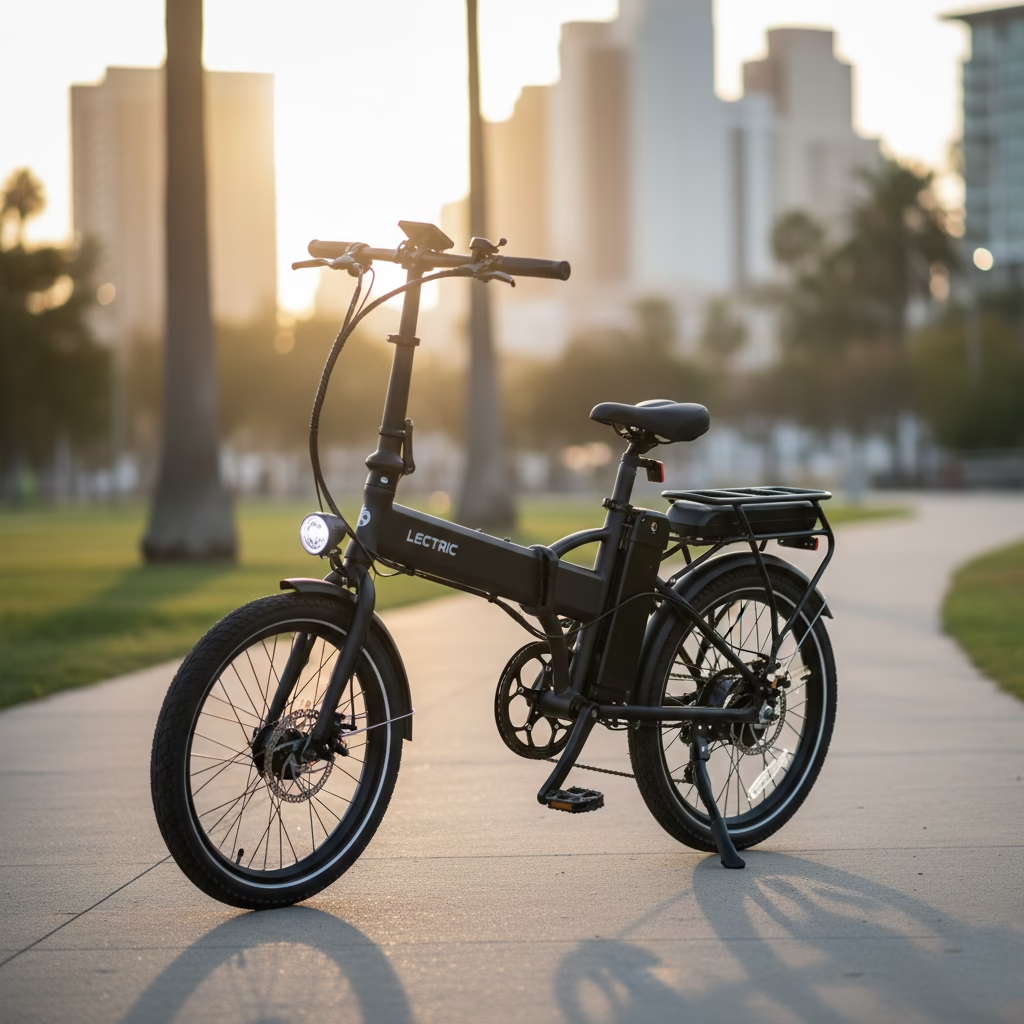
Category: Foldable Commuter | Best For: School & Transport
Teenagers need independence—getting to school, sports practice, or a friend’s house. The Lectric XP Lite 2.0 is the ideal solution. It is a Class 2 e-bike that is foldable, durable, and street-legal.
Why it’s a winner:
Updated for 2026, the “Lite” version features a quieter motor and a color LCD. It folds in half, meaning it fits easily into the trunk of a car or a school locker. It comes equipped with integrated front and rear lights, which is a mandatory safety feature for street riding.
Quick Specs
| Feature | Details |
| Top Speed | 20 MPH (Class 2) |
| Age Range | 13 to 17 Years |
| Range | 45 Miles (Pedal Assist) |
| Weight | 49 lbs |
| Foldable | Yes |
| Brakes | Hydraulic Disc Brakes |
Pros:
- Value: Incredible features for the price (~$799).
- Street Legal: Comes with lights and reflectors for safety.
- Storage: Folds up to fit in a closet or car trunk.
- UL Certified: Meets highest safety standards (UL 2849).
Cons:
- Rigid: No suspension means you feel potholes.
- Single Speed: Harder to pedal up steep hills without the motor.
6. Segway Dirt eBike x160 (High-Performance for Advanced Riders)
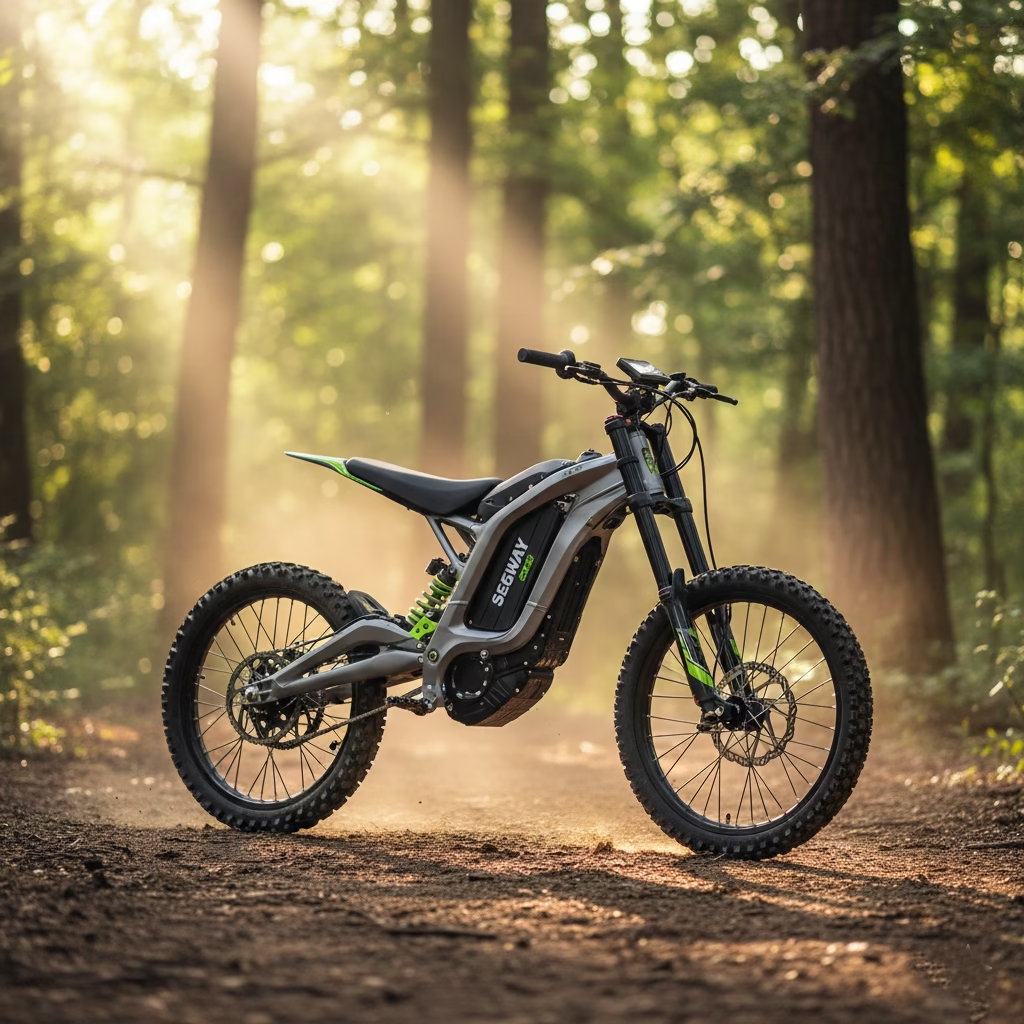
Category: Electric Trail Bike | Best For: Adrenaline & Motocross
Warning: This is not a toy. The Segway x160 (and its larger sibling, the x260) sits between a mountain bike and a dirt bike. It is intended for closed-course trails and off-road tracks.
Why it’s a winner:
It offers adrenaline-pumping torque. With a lightweight aluminum alloy frame and dual-suspension (front and rear), it can handle jumps, roots, and rocks. It uses a swappable battery system, so if you buy a second battery, the fun doesn’t have to stop.
Quick Specs
| Feature | Details |
| Top Speed | 31 MPH |
| Age Range | Advanced Teens (14+) |
| Range | 40 Miles |
| Torque | 162 ft-lbs (Instant Power) |
| Climbing | 35-Degree Slope |
| Suspension | Multi-Link Rear Shock |
Pros:
- Performance: Incredible acceleration and off-road capability.
- App Tuning: Customize speed and torque curves via phone.
- Suspension: Real off-road shocks handle jumps easily.
Cons:
- Not Street Legal: Cannot be ridden on sidewalks or roads.
- Safety: Requires advanced riding skills and full protective gear.
- Price: A significant investment.
7. Hiboy BK1 (Best Budget Balance Bike)
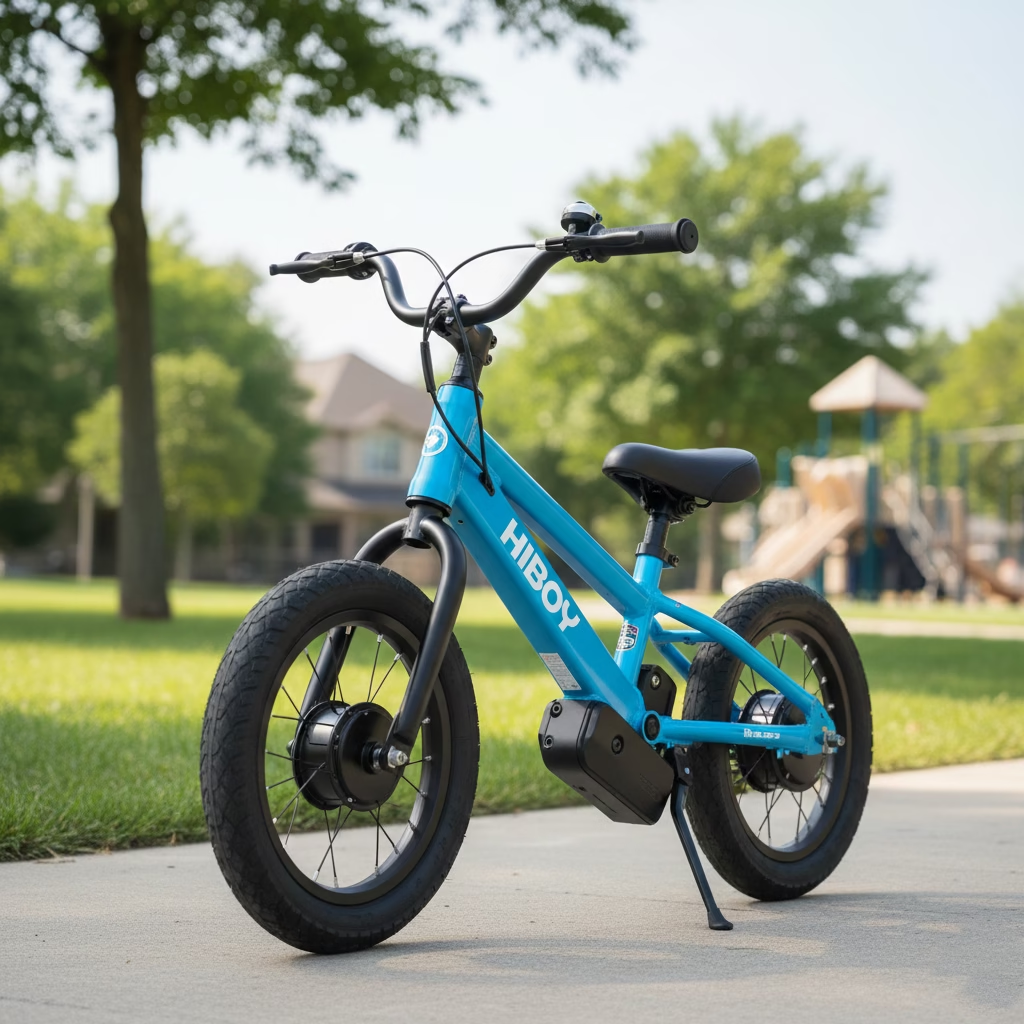
Category: Entry Level Balance | Best For: Budget-Conscious Parents
If the STACYC is out of your price range, the Hiboy BK1 is the best budget alternative. It allows toddlers to join the electric revolution without breaking the bank.
Why it’s a winner:
It features a futuristic, hub-motor design (no chains to catch fingers or pant legs). The throttle is a simple push-button rather than a twist grip, which some toddlers find easier to understand.
Quick Specs
| Feature | Details |
| Top Speed | 9 MPH |
| Age Range | 3 to 5 Years |
| Weight | 17.6 lbs |
| Battery | 24V 2.6Ah |
| Brakes | E-Brake (Front) + Drum (Rear) |
| Tires | Air-Filled Rubber |
Pros:
- Price: Very affordable entry point (~$300).
- Start Assist: Motor won’t engage until the child kicks to 2 MPH (Safety feature).
- Design: sleek, futuristic look without exposed chains.
Cons:
- Build Quality: More plastic components than the STACYC.
- Charging: Slower charging speed.
- Tires: Harder rubber offers less grip than premium models.
2026 Buying Guide: What Parents Must Know
1. The Importance of UL Certification
In 2026, battery safety is the #1 priority. Look for the UL 2849 or UL 2271 certification mark on the battery or frame. This means the electrical system has been rigorously tested against fire hazards. Avoid unbranded e-bikes from generic marketplaces that lack this certification.
2. Speed Limiters & Parental Control
The kids’ e-bike with parental control is the new standard. Look for bikes (like the Super73 K1D or Segway) that connect to a smartphone app. This allows you to cap the top speed at 5 or 10 MPH until you feel your child is ready for more power.
3. Helmet Ratings Matter
Do not let your child wear a standard bicycle helmet on an electric bike. Look for the NTA-8776 safety standard. These helmets are designed to withstand impacts at higher speeds and cover more of the temples and the back of the head.
4. Hub Motor vs. Mid-Drive
- Hub Motor (Rear Wheel): Found on Lectric and Razor. cheaper and requires less maintenance. Good for flat ground.
- Mid-Drive (Pedals): Found on Woom UP 5. More expensive but provides better balance and climbing power for hills.
FAQS
How do I choose the best electric bike for kids in 2026?
To choose the best electric bike for kids, you must first consider your child’s age and experience level. For toddlers, a balance bike with no pedals is ideal, while teenagers require a more robust commuter model. Additionally, the best electric bike for kids should always come with a UL-certified battery to ensure fire safety and longevity.
What safety features does the best electric bike for kids have?
The best electric bike for kids will always prioritize safety over speed. Look for models that offer app-based parental controls, allowing you to limit the top speed via your smartphone. Furthermore, the best electric bike for kids should be equipped with hydraulic disc brakes for reliable stopping power and bright LED lights for visibility during evening rides.
What is the best electric bike for kids under 5 years old?
For toddlers aged 3 to 5, the STACYC 12eDrive is widely considered the best electric bike for kids. It allows them to learn balance without the complexity of pedals. However, if you are on a budget, the Hiboy BK1 is also a strong contender for the title of the best electric bike for kids in the entry-level category.
Is the best electric bike for kids legal to ride on sidewalks?
It depends on your local laws, but generally, the best electric bike for kids falls under “Class 1” or “Class 2” regulations (under 20 mph), which often allows them to be ridden on sidewalks or bike paths. Always check your city’s specific regulations before purchasing the best electric bike for kids to ensure they can ride legally in your neighborhood.
Why is the best electric bike for kids more expensive than a toy store bike?
Toy store bikes often use heavy lead-acid batteries and plastic parts. In contrast, the best electric bike for kids uses premium lithium-ion (or LiFePO4) batteries, aluminum frames, and real rubber pneumatic tires. Investing in the best electric bike for kids ensures you are getting a durable vehicle that holds its resale value, rather than a disposable toy.