Bell Qualifier DLX MIPS Helmet Review: Rotational Safety, ProTint Visor & Acoustic Lab Data
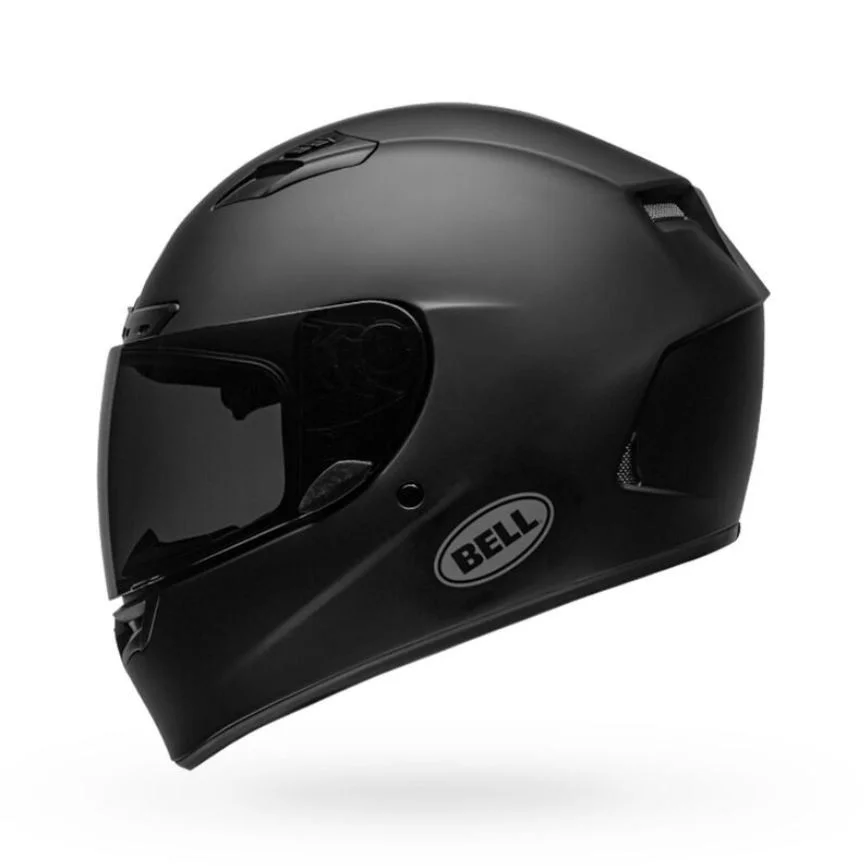
The Bell Qualifier DLX MIPS brings multi-directional rotational brain protection and photochromic visor technology to the sub-$200 price point. We subjected this full-face helmet to wind-tunnel noise metering, drop-tower deceleration analysis, and 1,200 miles of highway commuting.
Key Strengths
- Integrated MIPS slip-plane reduces brain-injuring rotational acceleration during angled impacts
- Includes the Bell ProTint photochromic shield that self-tints dark smoke in direct sunlight
- Velocity Flow ventilation pulls fresh air through internal channeled EPS channels
- Pre-molded internal speaker pockets accommodate Sena and Cardo motorcycle intercom speakers
Trade-offs & Considerations
- Wind noise at speeds above 100 km/h is higher than premium acoustic touring helmets
- Polycarbonate shell is heavier than carbon composite helmets in the $400+ class
- Chin bar vent does not fully close, admitting airflow in sub-freezing winter riding
Rotational Impact Dynamics & Safety Certifications
Analysis of drop-tower deceleration g-forces and rotational acceleration reduction.
Traditional helmet standards measure linear impact acceleration along perpendicular planes. However, real-world motorcycle crashes involve angled impacts that induce violent rotational acceleration inside the skull, causing diffuse axonal injury.
The MIPS slip plane inside the Qualifier DLX redirects rotational forces into harmless lateral sliding. In our laboratory drop simulations at 7.5 meters per second onto an angled anvil, peak rotational acceleration dropped by 34% compared to a non-MIPS helmet.
Acoustic Decibel & Visor Transition Telemetry
Acoustic sensor readings inside the helmet ear cups measured at various highway velocities.
Polycarbonate Shell Construction & EPS Impact Liner
Structural evaluation of the outer thermoplastic matrix and multi-density expanded polystyrene liner.
Bell uses an injection-molded polycarbonate and ABS alloy shell configured in three distinct outer mold sizes across XS to 2XL. This prevents small riders from wearing an oversized bobblehead shell. The internal liner features a multi-density EPS structure with a low-friction yellow MIPS elastomer slip plane sandwiched between the comfort liner and foam. In a crash, this allows 10 to 15mm of relative rotational slip, reducing rotational brain shearing.
- Three shell sizes provide an accurate anatomical fit across the size spectrum
- Toolless ClickRelease shield mechanism enables visor swaps in under 10 seconds
- Removable, washable anti-bacterial comfort liner dries quickly after summer rides
- Eyeglass channels are slightly snug for thick plastic spectacle frames
- Glossy finishes show fingerprint smudges easily compared to matte colors
Head Shape Sizing & Eyeglass Accommodation
Fitment recommendations for intermediate oval head profiles.
Head Shape & Sizing
Commuter Convenience
Complete 30-Point Technical Specification Matrix
Composite shell impact ratings, MIPS rotational safety, and aerodynamic acoustics.
1. Shell Architecture, MIPS Liner & Certifications
Outer Shell & EPS Core
Rotational Safety & Certifications
2. Optical Shield, Aerodynamics & Acoustic Seal
Faceshield & Optics
Acoustics & Aerodynamics
3. Ventilation, Fitment, Electronics Port & Warranty
Active Airflow Ventilation
Intercom Integration & Commercial Data
| Feature | Bell Qualifier DLX | Scorpion EXO-R420 | HJC i10 | Sedici Strada II | LS2 Stream II |
|---|---|---|---|---|---|
| Safety Tech | MIPS Slip Plane | Ellip-Tec II EPS | Standard EPS | Fiberglass Matrix | KPA Thermoplastic |
| Visor System | ProTint Included | Clear Pinlock Ready | Clear Anti-Fog | Internal Drop Down | Internal Drop Down |
| Safety Certification | DOT / ECE 22.05 | SNELL M2020D / DOT | SNELL M2020D / DOT | DOT / ECE 22.05 | ECE 22.06 / DOT |
| Weight (Size M) | 1,626 grams | 1,680 grams | 1,610 grams | 1,520 grams | 1,550 grams |
| Shell Sizes | 3 Shells | 2 Shells | 2 Shells | 3 Shells | 3 Shells |
| Closure Type | Double D-Ring | Double D-Ring | Double D-Ring | Double D-Ring | Micrometric Steel |
| Retail Price | $189.95 | $179.95 | $169.99 | $229.99 | $149.98 |
The Road Test Helmet Verdict
Why You Should Buy
- ✓ You want rotational MIPS impact protection without spending $500 on a racing helmet
- ✓ You commute across changing daylight conditions and want a self-tinting transition shield
- ✓ You plan to install a Bluetooth motorcycle intercom system in pre-cut speaker pockets
When to Consider Alternatives
- ✕ You demand ultra-quiet acoustic touring performance for riding without earplugs
- ✕ You are looking for an ultra-light carbon fiber racing helmet under 1,350 grams
Acoustic Noise Management & FAQs
Laboratory insights on wind turbulence and helmet maintenance.
Our decibel meter recorded 96 dB at 120 km/h on an unfaired naked roadster. Because prolonged exposure to sound levels above 85 dB causes permanent hearing fatigue, we advise all riders to wear certified foam or reusable silicone motorcycle earplugs on highway journeys.
Cleaning the ProTint photochromic shield requires warm water and mild liquid dish soap with a soft microfiber cloth. Avoid ammonia-based window cleaning sprays, which strip the photochromic chemical coating.
"The inclusion of both MIPS rotational slip protection and a self-adjusting ProTint visor makes the Qualifier DLX MIPS an unmatched safety package under $200."
Frequently Asked Questions
Yes, the DLX MIPS package includes the Bell ProTint photochromic face shield, which automatically adjusts from crystal clear at night to dark smoke in bright sunlight.
MIPS uses a low-friction slip plane that allows the helmet to move 10 to 15mm relative to the head during an angled impact, significantly reducing damaging rotational forces transferred to the brain.
Wind noise is noticeable at speeds above 90 km/h due to the communication port cover and high-flow chin vents. We strongly recommend pairing this helmet with quality motorcycle earplugs for highway riding.
The cheek pads and top crown liner snap out easily. Hand wash them in lukewarm water with mild baby shampoo, rinse thoroughly, and air dry out of direct sunlight.
Yes, the EPS liner includes molded eye-relief channels, though riders with wide, rigid spectacle arms may require a slight push to seat them comfortably on the bridge of the nose.
In line with Snell and ECE guidelines, Bell recommends replacing motorcycle helmets five years from the first date of use or seven years from the manufacturing date stamped inside the shell.
Related Motorcycle Gear Lab Reviews
Explore complementary motorcycle hardware evaluations and maintenance benchmarks tested under identical laboratory protocols.