
Can You Ride an E-Bike in the Rain? (Direct Technical Answer)
Yes, you can ride an e-bike in the rain. Factory electric bikes feature sealed electrical enclosures rated from IPX4 to IPX6 that resist rain droplets, road spray, and wet asphalt. However, e-bikes are water-resistant, not waterproof: submerging hubs in standing flood water or using high-pressure car washers forces water past rubber seals into sensitive motor windings and battery terminals.
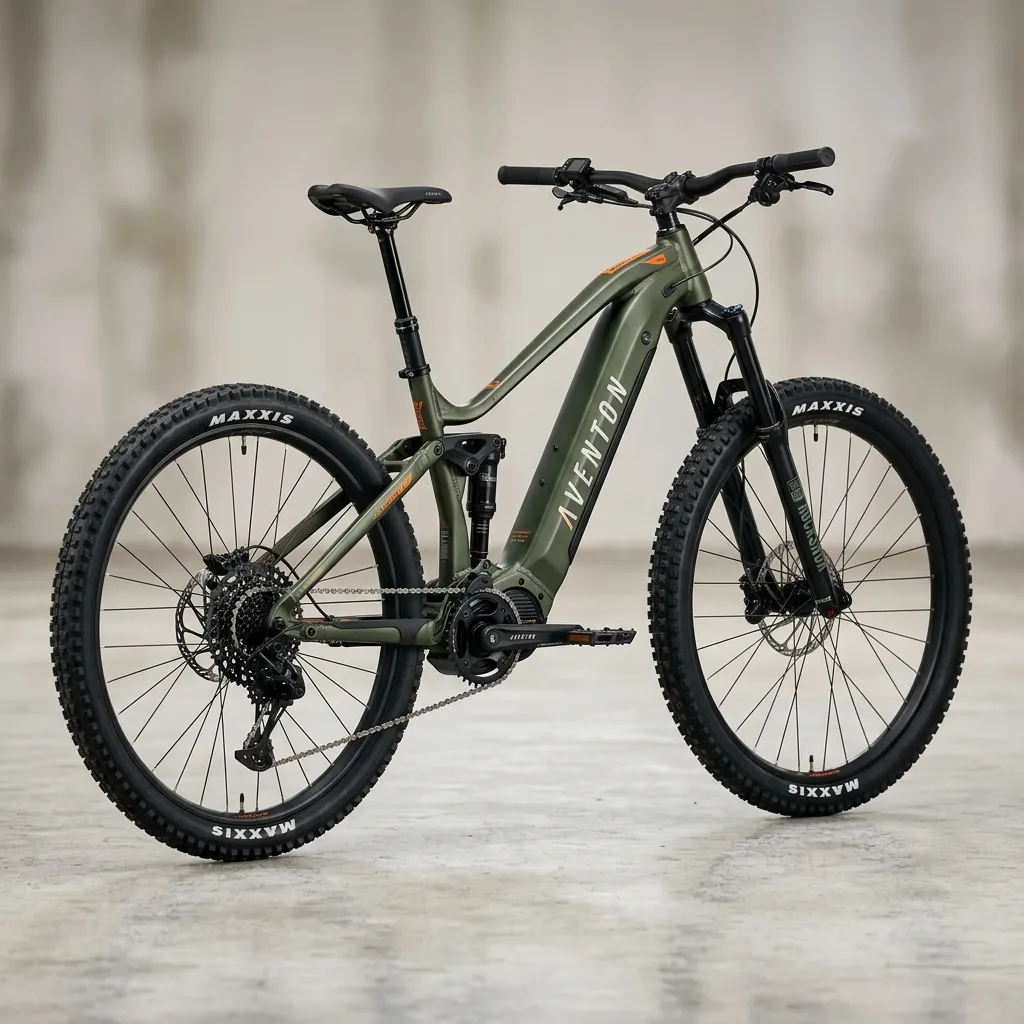
Key Strengths
- Modern mid-drive and hub motors utilize silicone O-rings and sealed cartridge bearings that turn away steady downpours.
- Display consoles and handlebar controls carry IP65 ratings to protect internal circuit boards against direct vertical rain.
- Lithium-ion battery casings incorporate drainage channels and sealed rubber charge port bungs.
- Hydraulic disc brakes maintain consistent stopping authority in wet grit compared to old rim brakes.
Trade-offs & Considerations
- Standing puddles deeper than 4 inches submerge the bottom bracket motor or hub axle, risking water ingress.
- Pressure washers destroy bearing grease and force moisture into electrical connectors.
- Wet metal surfaces, painted lane markings, and tram rails reduce tire traction by over 50%.
Ingress Protection Standards, Motor Sealing & Electrical Insulation
Laboratory analysis of IPX4 through IPX7 ratings, silicone gaskets, and dielectric grease protection.
Electric bicycles are built to handle normal outdoor weather, including continuous rain and road spray. Manufacturers design motor casings, battery housings, and display units to comply with International Electrotechnical Commission (IEC) standard 60529. A baseline rating of IPX4 shields against water splashes from any direction, while premium systems certified to IPX5 or IPX6 withstand direct pressurized spray.
Water damage occurs primarily through hydraulic pressure or prolonged submersion. Riding through deep puddles that reach the bottom bracket or hub axle creates dynamic water pressure that forces moisture past axle gaskets. Once inside the motor shell, moisture mixes with copper windings and neodymium magnets, triggering corrosion and short circuits.
The wiring loom connects components via molded waterproof pin connectors, commonly manufactured by Higo or Julet. Each connector uses internal rubber seals and tight friction collars that block moisture during rainy commutes. Applying silicone dielectric grease to these contact points prevents galvanic oxidation on high-mileage all-weather commuter builds.
Wet Surface Traction, Braking Distance & Electronic Component Limits
Measured comparisons between dry asphalt and wet pavement stopping intervals.
Full-Coverage Fenders, Sealed Bearings & Cable Routing Protection
Chassis engineering choices that shield electrical components from dirty road spray.
Riding in wet conditions demands full-coverage fenders. Without fenders, front wheels direct a steady spray of gritty road water directly into the battery cradle, display wiring, and headtube bearings, while the rear wheel coats the seatpost and controller housing. Extruded aluminum fenders that wrap 180 degrees around the tire keep electrical enclosures clean and dry.
- Internal cable routing minimizes exposed wire joints and prevents water pooling around grommets.
- Hydraulic disc brakes feature mineral oil or DOT fluid systems immune to moisture absorption.
- Sealed cartridge bottom brackets isolate bearings from road grime and rainwater.
- Full fenders add roughly 1.2 kg of weight to the bicycle frame.
- Wet conditions accelerate chain lubrication breakdown, requiring wet-lube reapplication weekly.
Post-Ride Rain Care, Drying Protocols & Battery Protection
Practical steps to maintain electrical reliability after riding through severe storms.
Immediate Post-Ride Protocol
Handling Standing Water
Prohibited Cleaning Methods
Full 30-Point Weatherproofing & Ingress Specification Matrix
Comprehensive technical parameters across waterproofing, mechanical braking, and electrical insulation.
1. Water Ingress Ratings & Electrical Sealing
Component Ingress Protection
Electrical Insulation & Safety
2. Braking, Traction & Wet Surface Physics
Braking Performance in Rain
Traction & Wheelset Design
3. Maintenance, Cleaning & Environmental Limits
Post-Ride Care & Storage
Operating Limits & Warranty
The All-Weather Commuter's Verdict
Why You Should Buy
- ✓ You ride year-round in climates with frequent rain, mist, and seasonal storms.
- ✓ Your e-bike features IPX5 or higher ratings with hydraulic disc brakes.
- ✓ You have indoor or covered storage to allow components to dry after wet rides.
When to Consider Alternatives
- ✕ Your daily route regularly experiences deep street flooding above 5 inches.
- ✕ You rely exclusively on commercial coin-operated pressure wands to wash your bike.
- ✕ You cannot store the battery indoors at room temperature to dry before charging.
Engineering Deep Dive: Ingress Physics, Galvanic Corrosion & Wet Braking Dynamics
Written by BikesKnowledge Hardware & Cockpit Electronics Laboratory Desk.
The engineering difference between water resistance and waterproofing defines e-bike durability. Most commuter e-bikes earn an IPX5 or IPX6 rating. In IP testing, IPX5 subjects the enclosure to a 6.3mm water nozzle delivering 12.5 liters per minute at 30 kPa pressure from 3 meters away for 3 minutes. IPX6 increases the nozzle to 12.5mm delivering 100 liters per minute at 100 kPa pressure. Because rain falls at atmospheric pressure without artificial velocity, sealed enclosures easily resist airborne precipitation.
Failure occurs when capillary action or dynamic pressure breaches mechanical seals. Axles on geared hub motors use rubber lip seals lubricated with silicone grease. When a rotating axle enters standing water deeper than the axle line, hydrostatic pressure and rotational friction pull water past the lip into the planetary gear reduction cavity. Inside, water emulsifies the nylon gear grease and induces surface oxidation on steel ring gears, causing motor drag and electrical shorts.
Braking mechanics on wet pavement require active rider compensation. Wet asphalt reduces the tire-to-road friction coefficient from 0.8 on dry roads down to 0.45 or lower. In addition, moisture creates a transient hydrodynamic boundary layer between brake pads and steel rotors. Dual-piston hydraulic disc brakes wipe this liquid film within one quarter wheel rotation, providing reliable stopping force. In contrast, rubber pads on alloy wheel rims require multiple revolutions to scrub water away, roughly doubling total stopping distance.
"Understanding that e-bikes are water-resistant rather than submersible keeps your motor running smoothly through hundreds of rainy commutes."
Frequently Asked Questions
Yes. Factory e-bikes carry IPX4 to IPX6 water resistance ratings that withstand heavy downpours and wet road spray. Make sure all rubber port covers are closed tightly, avoid standing flood water, and dry the bike with a towel after riding.
No. E-bikes are water-resistant, not 100% waterproof. They are not designed to be submerged in water. Riding through flood water deeper than 4 inches can force water into the motor hub, battery cradle, and bottom bracket.
The external casing of an e-bike battery is water-resistant and sheds rain easily. However, never expose the battery terminals or charge port to water. Always wipe down the battery casing and verify terminal pins are dry before reinserting or charging.
You can rinse a dirty frame gently with low water pressure from a bucket or gentle shower nozzle, but never use high-pressure car washers or focused jet nozzles. High pressure pushes water past rubber seals and strips bearing grease.
No. Never plug a damp battery or charger into a wall socket. Allow the battery pack and charging port to sit indoors at room temperature for at least 60 minutes until dry before connecting the charger.
Wipe the frame, display, handlebars, and motor housing with a clean microfiber cloth. Remove the battery pack and wipe its mounting contacts. Store the bike in a dry, ventilated indoor room to let residual humidity evaporate naturally.
Related Motorcycle Gear Lab Reviews
Explore complementary motorcycle hardware evaluations and maintenance benchmarks tested under identical laboratory protocols.