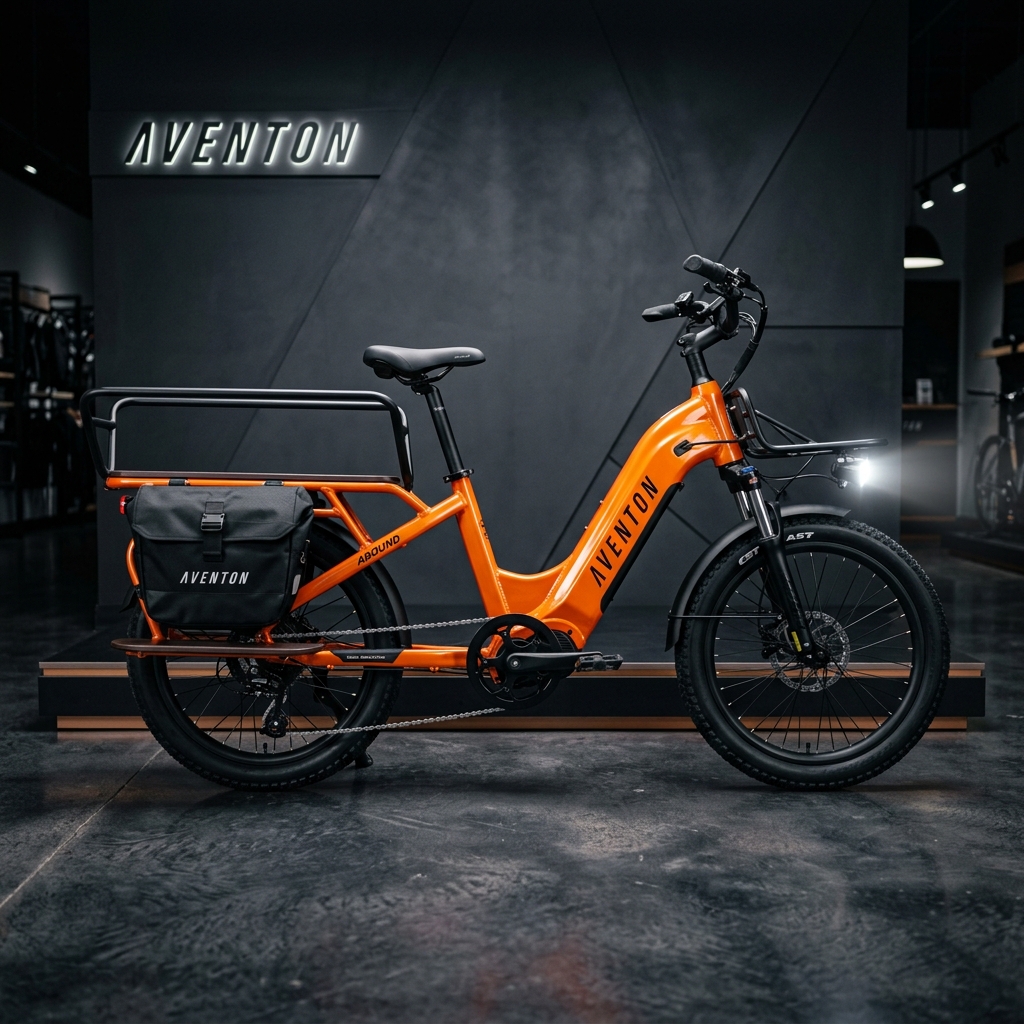
When evaluating electric bikes for hill climbing, motor torque (measured in Newton-meters or Nm) is the most important specification. It determines the bike's ability to pull weight up an incline. In this guide, we explain how much torque you need for different hill grades.
1. Quick Comparison Table
| Metric | Details | Configuration | Specifications | Impact | Verdict |
|---|---|---|---|---|---|
| Flat Terrain | 35 - 40 Nm | 250W - 350W Hub | Light Assist | Easy | City Commuting |
| Moderate Hills | 50 - 65 Nm | 500W Hub / Mid | Medium Assist | Moderate | Suburban Riding |
| Steep Hills (15%+) | 80 - 90+ Nm | 750W+ Mid-Drive | Maximum Assist | Challenging | Mountain Climbing |
2. Understanding Torque Ratings — Performance Metric
Verdict: For steep hills above a 15% grade, a motor with at least 80 Nm of torque is recommended to maintain speed without overheating.
Pros
- Better acceleration
- Maintains speed on inclines
- Reduces motor strain
Cons
- Consumes more battery power
- Can cause tire spin on loose gravel
3. Segment Overview & Buying Advice
For steep climbing, a mid-drive motor is superior to a hub motor because it can use the bike's gears. An 80 Nm mid-drive motor will climb steep hills much more efficiently than an 80 Nm hub motor, while consuming less battery power.
4. Frequently Asked Questions (FAQ)
No. Wattage measures power consumption, while torque measures rotational force. A 250W mid-drive motor can produce more torque (up to 90Nm) than a 750W hub motor (typically 50-60Nm).
Heavier riders or those carrying cargo will require more torque to climb the same hill. For payloads over 250 lbs, a motor with at least 80 Nm of torque is highly recommended.