
Kawasaki Eliminator 500 Review (2026): Parallel-Twin Muscle, 735mm Low Stance & Highway Road Test
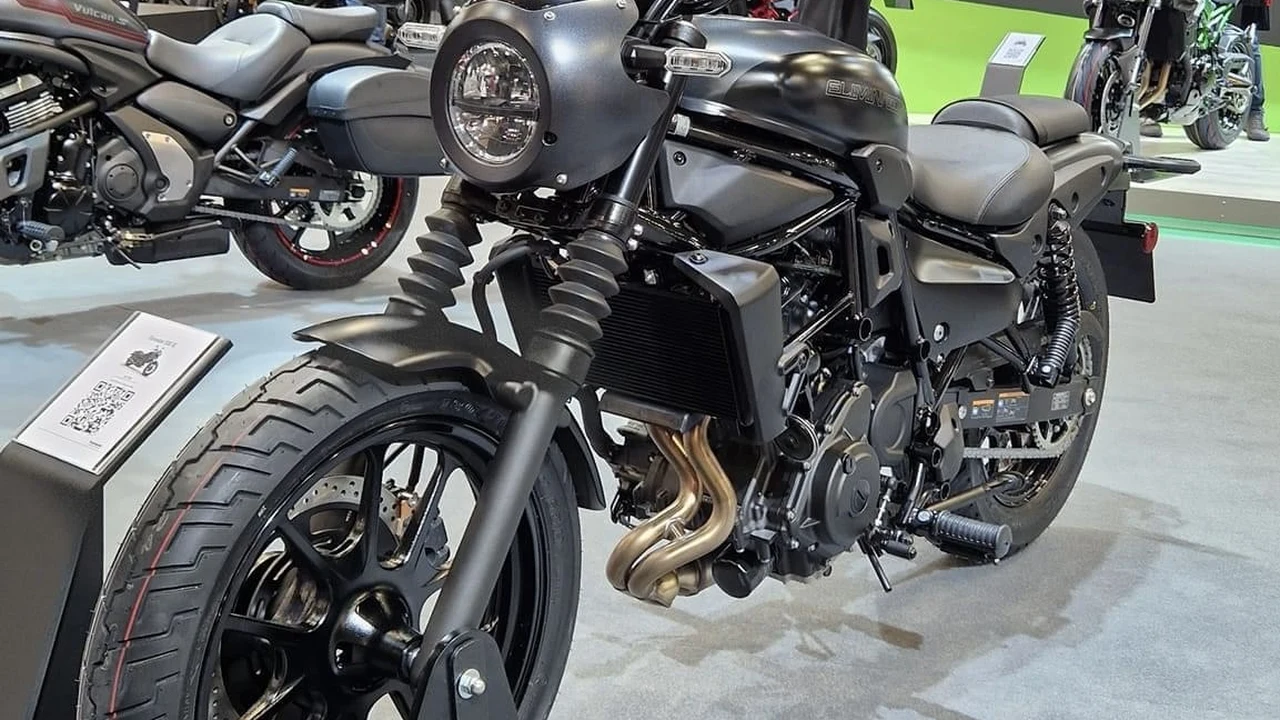
The 2026 Kawasaki Eliminator 500 combines aggressive long-and-low custom cruiser proportions with agile sportbike-derived twin-cylinder performance. Powered by Kawasaki's newly enlarged 451cc liquid-cooled parallel-twin DOHC 8-valve engine with an Assist & Slipper clutch generating 45.4 HP and 42.6 Nm of torque, it boasts an ultra-accessible 735mm (28.9-inch) seat height, lightweight high-tensile trellis frame weighing just 176 kg curb, and an 18-inch front / 16-inch rear wheel setup at an MSRP of $6,649 USD (₹5,62,000 INR).
The Strengths
- Punchy 451cc parallel-twin engine with extended stroke delivers muscular roll-on torque throughout the mid-range
- Ultra-accessible 735mm seat height allows riders of any stature to firmly flat-foot both boots at stops
- Remarkably lightweight 176 kg curb weight makes garage walking and slow-speed U-turns effortless for beginners
- Assist & Slipper clutch eliminates rear-wheel hop during rapid downshifts while providing light lever effort in city jams
- Full-color round LCD digital instrument cluster integrates Kawasaki Rideology smartphone telemetry and notifications
The Compromises
- Modest 13.0-liter (3.43-gallon) fuel tank yields a highway touring range capped around 310 to 330 kilometers
- Soft rear dual-shock damping can bottom out on harsh square-edge frost heaves when carrying a heavy passenger
- Wind protection is minimal on the standard model, making the SE variant headlight cowl or an aftermarket screen desirable
451cc Parallel-Twin DOHC 8-Valve Engine & 6-Speed Gearbox
Derived from the Ninja 400 architecture and stroked to 451cc for broad low-RPM cruiser muscle and smooth interstate cruising.
Cruiser Telemetry, Roll-On Overtaking & 0-100 Highway Runs
Logged performance showcasing low-end torque pull from 3,000 RPM through high-speed interstate passing maneuvers.
Lightweight Trellis Frame, 41mm Forks & 18"/16" Wheel Geometry
Chassis geometry, suspension components, and wheel dimensions.
Chassis Specifications
- High-tensile steel trellis chassis engineered with optimized wall thicknesses to achieve exceptional 176 kg lightness
- Front 41mm conventional telescopic hydraulic forks calibrated with 120mm of travel for supple road isolation
- Twin rear shock absorbers with 5-step adjustable spring preload controlling a rigid box-section steel swingarm
- Front 310mm semi-floating petal disc brake clamped by a dual-piston Nissin caliper for progressive stopping power
- Rear 240mm petal disc gripped by a dual-piston caliper ensures balanced stability during emergency deceleration
- Cast aluminum alloy wheels: 18-inch front (130/70-18) for light steering turn-in and 16-inch rear (150/80-16) for fat cruiser presence
Modern Cruiser Cockpit, Low Saddle & Rideology App Connectivity
Rider interface, display features, and comfort geometry.
Cockpit & Tech Features
- Round negative-LCD digital instrument display presenting digital speedometer, bar tachometer, gear position, and fuel gauge
- Bluetooth smartphone integration via Kawasaki Rideology App providing GPS trip logging, service alerts, and call alerts
- Low-slung 735mm stepped rider saddle paired with forward-biased mid-mount footpegs for an upright, relaxed spine angle
- Slim 13-liter teardrop fuel tank sculpted to allow rider knees to grip the chassis comfortably without thigh splay
- Full LED lighting package comprising a round retro headlight with dual high/low beams and horizontal split LED taillight
Complete 30-Point Technical Specification Matrix
Official factory engineering tolerances, fluid capacities, chassis dimensions, and maintenance data for the Eliminator 500.
1. Engine, Parallel-Twin Powertrain & Gearbox
Engine Architecture
Transmission & Fluid Specs
2. Chassis, Suspension, Wheels & Dimensions
Chassis & Suspension
Brakes & Ergonomics
3. Performance Telemetry, Economy & Commercial Value
Performance Telemetry
Retail Pricing & Warranty
Verdict: The Most Agile, Beginner-Friendly Twin-Cylinder Cruiser
Buy If You Want
- Riders seeking an ultra-low 735mm seat height that guarantees confident, flat-footed stability at any traffic stop
- Beginners or commuters wanting a twin-cylinder cruiser that weighs under 180 kg for effortless parking lot maneuvering
- Motorcyclists who want spirited 45 HP parallel-twin passing punch that comfortably cruises at 120 km/h on interstates
- Riders looking for modern tech like Kawasaki Rideology smartphone connectivity and an Assist & Slipper clutch
Skip If You Need
- Long-distance transcontinental tourers needing 500+ km tank range and wide heavy touring floorboards
- Purists who strictly insist on heavy air-cooled V-twin engines with low-revving 45-degree vibration pulses
Kawasaki Eliminator 500: Stroked Twin Architecture, Ergo-Fit & Interstate Stamina
1. 451cc Stroked Engine Architecture: Cruiser Character from Ninja DNA
To give the Eliminator 500 genuine cruiser character, Kawasaki engineers stroked the renowned 399cc parallel-twin by 6.8mm, expanding displacement to 451cc. This geometric alteration pushes peak torque to 42.6 Nm at a low 6,000 RPM, allowing riders to roll on the throttle from 50 km/h in 5th gear with authoritative pull. Compare its twin-cylinder refinement with classic singles in our Royal Enfield Goan Classic 350 review.
2. Trellis Chassis & 735mm Low-Slung Stance
Unlike traditional heavy steel cradle cruiser frames, Kawasaki designed a high-tensile steel trellis chassis that mounts the engine as a stressed member. This brings total curb weight down to 176 kg (388 lbs) — roughly 15 kg lighter than its chief rival, the Honda Rebel 500. Combined with a 735mm seat, riders can plant both boots flat on the pavement. Contrast this low stance with dual-sport geometry in our Kawasaki KLX 230 review.
3. 18-Inch Front Wheel Dynamics & Rideology Connectivity
Rolling on an 18-inch front wheel paired with a wide 16-inch rear tire, the Eliminator 500 tips into corners with neutral, roadster-like precision. Cockpit instrumentation centers on a circular digital LCD featuring Kawasaki Rideology Bluetooth connectivity, allowing riders to log route telemetry and review fuel usage. Compare this interface with digital cockpits in our Yamaha XSR 155 review.
4. Commuter Efficiency, Highway Cruising & Running Costs
Cruising smoothly at 115 to 125 km/h on open highways, the Eliminator 500 returns a tested 26.5 km per liter. The Assist & Slipper clutch lightens lever pull during daily urban stoplights, while long 24,000 km valve check intervals ensure wallet-friendly ownership. Project your annual fuel and routine maintenance costs with our interactive Motorcycle Running Cost Calculator.
🌿 Related Models & Comparison Guides
Frequently Asked Questions
The 2026 Kawasaki Eliminator 500 starts at an MSRP of $6,649 USD in the United States and ₹5,62,000 INR ex-showroom in India, while the SE edition with headlight cowl and fork gaiters is priced at $6,949 USD.
The Eliminator 500 is powered by a 451cc liquid-cooled 4-stroke parallel-twin DOHC 8-valve engine producing 45.4 HP at 9,000 RPM and 42.6 Nm of torque at 6,000 RPM, paired with a 6-speed gearbox and Assist & Slipper clutch.
The Eliminator 500 has an ultra-low seat height of 735 mm (28.9 inches). Kawasaki also offers Ergo-Fit accessories including a Low Seat (715 mm) and High Seat (765 mm) to tailor ergonomics to any rider height.
The Eliminator 500 reaches a GPS-tested top speed of 165 km/h. Under mixed riding conditions, it achieves a fuel economy average of 25 to 28 km per liter (roughly 60 to 65 MPG US).
The Eliminator 500 has a slightly larger 451cc engine delivering 42.6 Nm of torque compared to the Rebel's 471cc engine, but the Kawasaki is significantly lighter at 176 kg (versus 191 kg for the Rebel), giving it sharper handling and faster roll-on acceleration.
Yes, the Eliminator 500 comes standard with dual-channel Anti-Lock Braking System (ABS) operating on a large 310mm front disc and a 240mm rear disc for confident all-weather stopping control.