
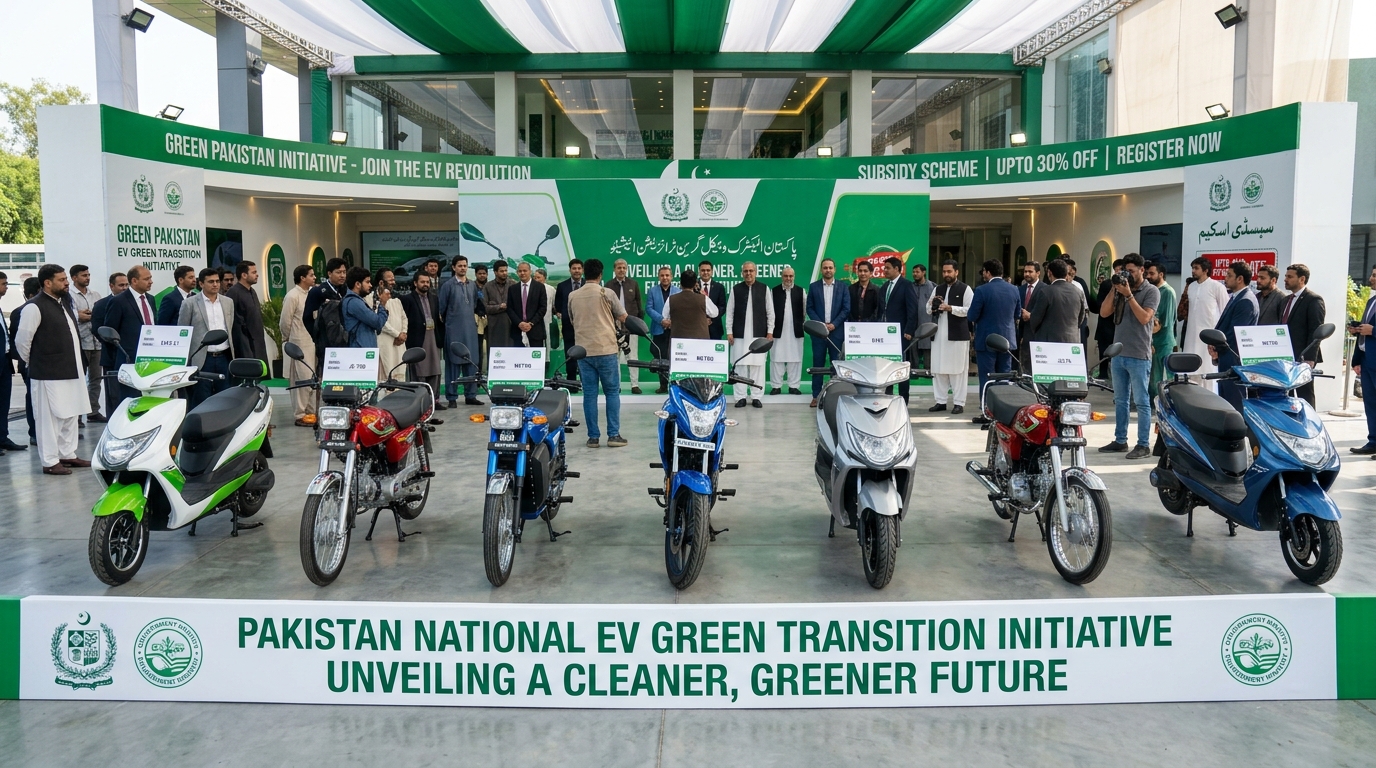
The transition toward sustainable mobility in Pakistan is gaining momentum through the Prime Minister's Green Mobility Initiative and various PAVE Scheme eligible electric bikes list in Pakistan. As fuel prices continue to pressure household budgets, electric two-wheelers offer a significant reduction in monthly travel expenses.
The PAVE scheme provides financial incentives to make ownership of electric motorbikes accessible to the average commuter. Choosing the right vehicle depends on understanding specific technical requirements like real-world range, battery durability, and total running cost comparison.
This guide identifies the top five models currently qualifying for government incentives. We analyze these options based on performance, build quality, and long-term economic benefits to help you make an informed decision for your daily commute.
Understanding the Benefits of PAVE Scheme Eligible Electric Bikes
The PAVE scheme aims to reduce the national oil import bill by encouraging riders to shift away from petrol-powered 70cc motorcycles. By opting for a government-approved electric bike, buyers often benefit from subsidies or simplified financing options that lower the initial entry barrier.
Beyond the upfront price, the primary advantage is the remarkably low cost per kilometer compared to internal combustion engines. With petrol prices fluctuating, calculating your annual fuel average in Pakistan helps illustrate how quickly an electric bike pays for itself.
Maintenance requirements for these bikes are minimal because they contain fewer moving parts than traditional engines. You avoid the recurring costs of oil changes, spark plug replacements, and air filter maintenance, leading to substantial savings over three to five years.
Technical Criteria for Choosing Your Electric Bike
When reviewing the PAVE scheme eligible electric bikes list in Pakistan, pay close attention to battery chemistry and motor power. A bike with a lithium-ion battery offers a longer life span and more consistent performance compared to older lead-acid alternatives.
Consider the charging infrastructure available near your home or workplace. Most eligible models allow for home charging via a standard three-pin socket, which provides convenience but requires you to assess your daily commute distance against the bike's manufacturer-stated range.
| Model | Battery capacity | Real-World Range | Motor Power | Retail Price |
|---|---|---|---|---|
| Jolta JE-70D | 20Ah | 60 km | 800W | Rs. 195,000 |
| MS Jaguar E-70 | 24Ah | 65 km | 1000W | Rs. 210,000 |
| Crown Benling Markhor | 30Ah | 75 km | 1200W | Rs. 245,000 |
| Yadea T5 | 26Ah | 80 km | 1500W | Rs. 295,000 |
| Vlektra Retro | 32Ah | 90 km | 2000W | Rs. 385,000 |
Rs. 195,000 | 20Ah | 60 km
The frame design mimics the classic Pakistani street motorcycle, making it immediately familiar for any rider. The build quality is functional, utilizing steel tubing that handles local road conditions with basic suspension setups.
Charging the battery typically takes six to eight hours, which is perfect for overnight replenishment. Its low running cost makes it a practical tool for short-distance daily commutes, significantly lowering your monthly petrol expenditure.
Pros
• Extremely affordable
• Common spare parts
• Simple to operate
• Lightweight frame
Cons
• Basic build quality
• Slow charging
• Limited speed
Rs. 210,000 | 24Ah | 65 km
The MS Jaguar E-70 features a balanced chassis that offers better stability at its top speed of 50 km/h. The aesthetics are designed to fit into the local traffic flow without drawing unnecessary attention, prioritizing utility over style.
With a slightly larger battery than entry-level models, it provides extra headroom for the daily commute. Efficiency is high, and the maintenance costs remain near zero for basic operational requirements.
Pros
• Good torque
• Reliable motor
• Easy to park
• Low seat height
Cons
• Heavy battery weight
• Dated aesthetics
• Standard suspension
Rs. 245,000 | 30Ah | 75 km
The Markhor is built with a reinforced frame that feels noticeably more robust than entry-level bikes. It handles potholes and uneven pavement with a surprisingly comfortable ride dynamic.
Charging efficiency is improved with modern circuitry that manages current flow better, protecting the battery life over time. You will notice significant savings when analyzing your cost comparison per kilometer.
Pros
• Strong acceleration
• Lithium battery advantage
• Good range
• Ergonomic seating
Cons
• Higher upfront cost
• Plastic finish on panels
• Limited dealer network
Rs. 295,000 | 26Ah | 80 km
Yadea focuses on premium components, resulting in a ride that feels solid and quiet at speed. The frame geometry allows for a more upright posture, which is helpful during longer trips.
Its battery management system ensures safety and efficiency, extending the lifespan of the energy cells significantly. Users often report the real-world range aligns closely with manufacturer claims, adding value to the purchase.
Pros
• Excellent build quality
• Rapid charging
• Graphene battery tech
• Smart dashboard
Cons
• Premium price tag
• Firm seat
• Requires specific chargers
Rs. 385,000 | 32Ah | 90 km
This bike features a retro-inspired design combined with high-grade components that make it look and feel like a more substantial machine. The frame is rigid, offering a stable and planted feel on urban roads.
With the largest battery capacity in this list, it handles extended daily usage without needing mid-day charging. The long-term cost benefits are realized through the premium motor longevity and energy efficiency.
Pros
• Iconic aesthetic
• Best-in-class power
• Longest range
• Premium feel
Cons
• Expensive
• Heavy to maneuver
• Not ideal for steep inclines
Frequently Asked Questions
What is the PAVE scheme in Pakistan?
The PAVE scheme is a government initiative designed to incentivize the adoption of electric vehicles by providing subsidies or favorable financing to buyers of qualifying electric bikes.
How do I check if my electric bike is eligible?
You can verify eligibility by checking the official Engineering Development Board list or consulting authorized dealers who provide PAVE-compliant documentation with their bikes.
Is the real-world range the same as the company claim?
Real-world range often varies based on road conditions, rider weight, and driving habits. Expect roughly 10-15 percent less than the official advertised range under normal city traffic conditions.
Are maintenance costs really lower for electric bikes?
Yes, because electric motors have fewer moving parts, you eliminate the need for oil changes, carburetor cleaning, and exhaust system maintenance, leading to significant annual savings.