Top 5 Electric Bikes for Climbing Steep Hills in 2026
Our team evaluated these machines based on their ability to handle incline grades exceeding 15 percent.
Table of contents
The Challenge: Finding an electric bicycle that maintains speed on steep inclines requires significant torque and efficient power delivery. Many standard city commuters fail when the grade increases, leaving riders frustrated and exhausted.
Evaluation Criteria: Our team evaluated these machines based on their ability to handle incline grades exceeding 15 percent. We prioritize motor output, torque sensors, and gear ratios to determine the top performers for hilly commutes.
Performance Standards: This list focuses on models that provide reliable climbing capability without sacrificing battery efficiency or long-term build quality. Whether you operate in a high-density urban environment or hilly residential zones, these choices offer the necessary power.
Key Factors for High-Torque Climbing
Motor Selection: When evaluating electric bicycles for vertical segments, the motor type is the most significant component. Mid-drive motors generally outperform hub motors on hills because they leverage the bike's mechanical gears to increase torque at the wheel.
Stability Factors: Weight distribution and tire traction also play major roles in how a vehicle handles a climb. A bike with a lower center of gravity remains more stable, while aggressive tread patterns prevent wheel slip on loose or wet asphalt.
Power Management: Battery capacity determines how long you can maintain high-power output during a climb. Drawing maximum voltage from a battery while ascending is energy-intensive, so having a high-capacity unit prevents voltage sag and loss of speed.
Maintenance and Cost Considerations
Drivetrain Wear: High-torque usage increases the wear on drivetrain components like chains, cassettes, and brake pads. Routine inspection of these parts is a necessary part of the running cost comparison to ensure safety and performance over time.
Efficiency Tips: Monitoring your real-world range is vital when climbing, as steep ascents consume electricity faster than flat commutes. Adjusting your pedal assist settings during climbs preserves battery life and lowers the overall cost per mile by reducing peak demand on the cells.
| Model | Battery capacity | Real-World Range | Motor Power | Retail Price |
|---|---|---|---|---|
| Aventon Aventure.2 | 720Wh | 60 km | 750W Hub | $1,899 |
| Lectric XP 3.0 | 500Wh | 45 km | 500W Hub | $999 |
| Rad Power RadRunner 3 Plus | 672Wh | 50 km | 750W Hub | $2,099 |
| Tern GSD S10 | 400Wh | 80 km | 250W Mid-Drive | $5,000 |
| E-Ride Pro SS | 3000Wh | 70 km | 6000W Mid-Drive | $4,999 |
$1,899 | 720Wh | 60 km
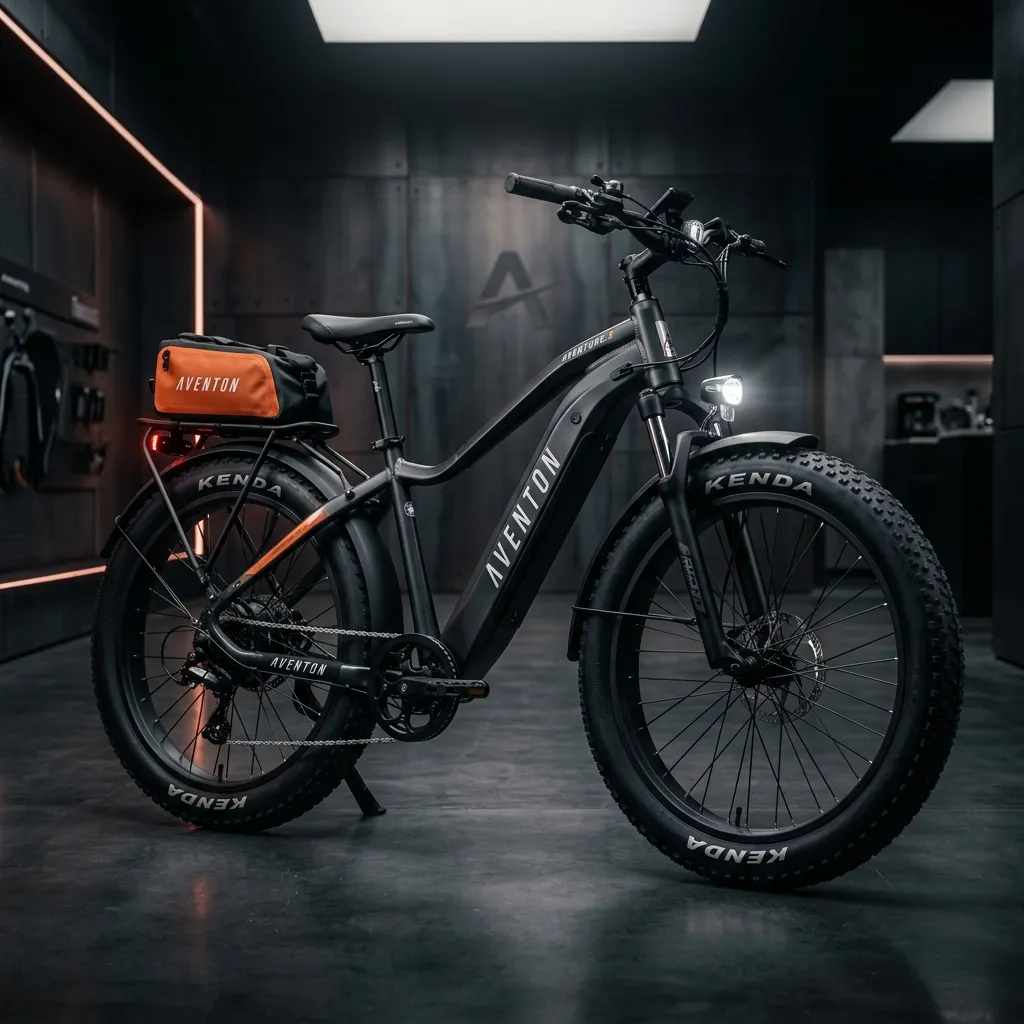
Frame Design: The Aventure.2 features a robust aluminum alloy frame built to withstand the stresses of high-torque output. Its fat tires offer the necessary surface area to grip inclines, preventing the slipping often experienced with thinner commuter tires during steep ascents.
Value and Efficiency: Charging the 720Wh battery takes roughly 4-5 hours, which is efficient for the capacity provided. Over time, the durability of the electrical system ensures that you get a low cost per mile, making it an excellent investment for riders who frequently encounter elevation changes.
Pros
- Integrated torque sensor
- Wide tires for traction
- Strong frame construction
- Easy to read display
Cons
- Heavy frame
- Bulky dimensions
- Long shipping wait times
$999 | 500Wh | 45 km
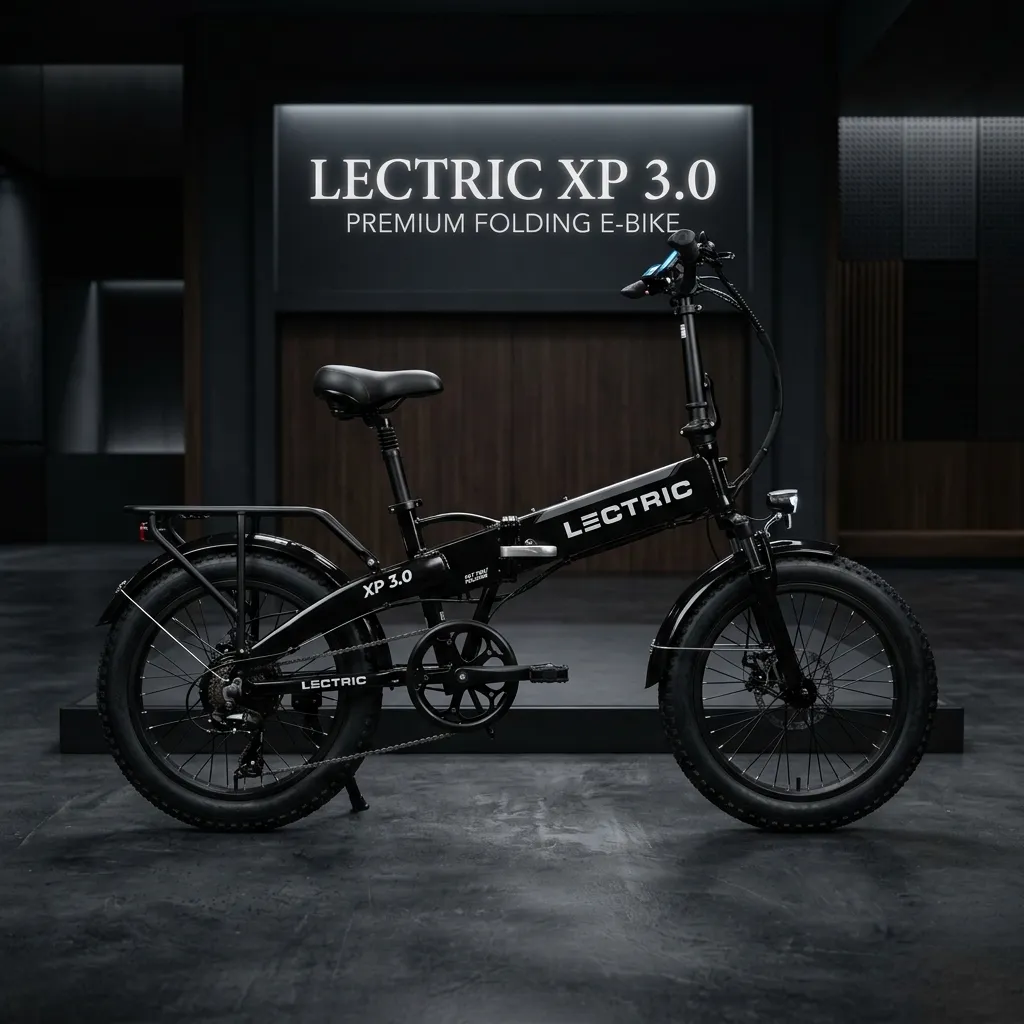
Build Quality: This folding frame design is surprisingly sturdy, utilizing a high-tensile steel frame that handles the torque of the 500W motor well. While compact, the bike geometry is tuned to keep the rider centered, which helps when leaning into a steep climb.
Charging Specs: The battery system allows for cost-effective commuting, especially when comparing the retail price to other high-performance options. With a 6-hour charge cycle, it is easy to top off the battery overnight to prepare for the next day's route.
Pros
- Highly affordable
- Foldable frame
- Good parts availability
- Low maintenance cost
Cons
- Smaller battery
- Range limited on hills
- Not ideal for tall riders
$2,099 | 672Wh | 50 km
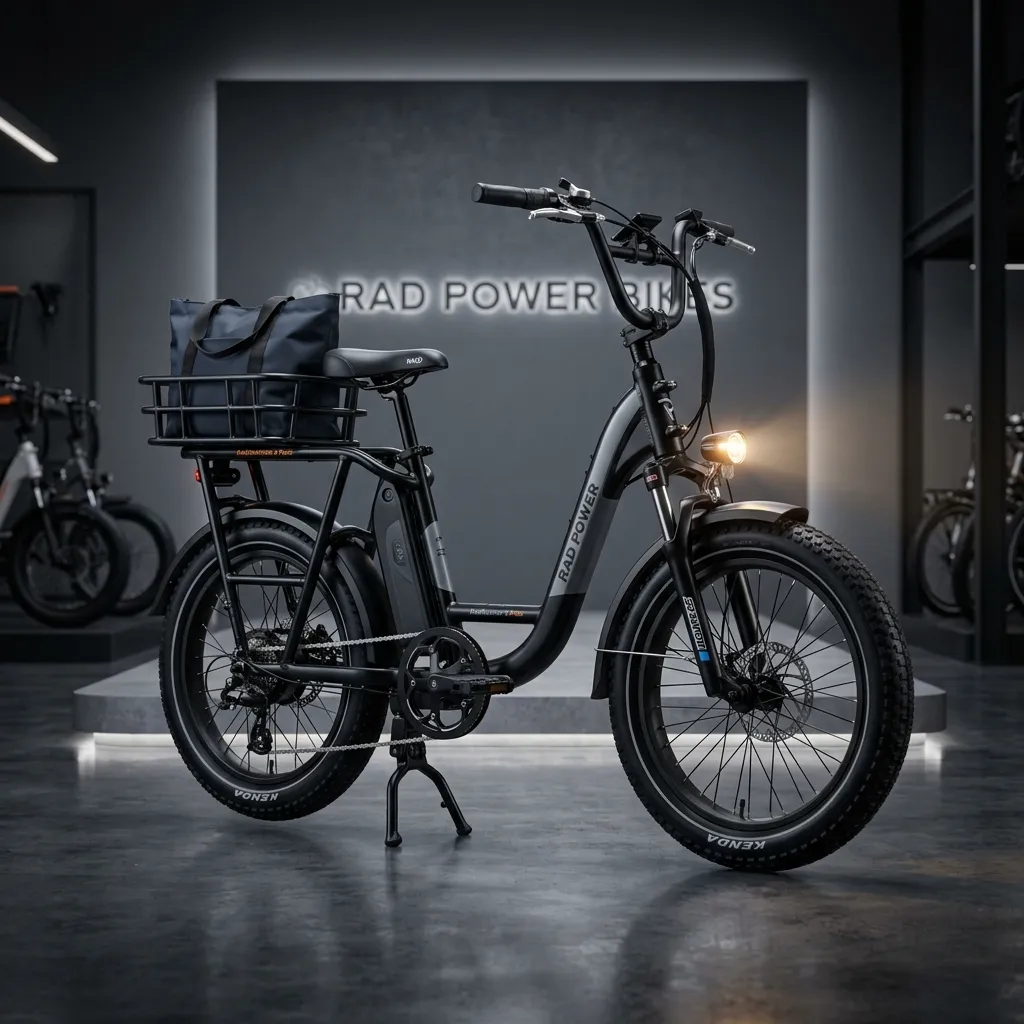
Structural Rigidity: The RadRunner 3 Plus is built with a reinforced frame that supports heavy cargo while maintaining stiffness. This rigidity is vital for climbing, as it prevents energy loss that occurs in more flexible, budget-oriented bike frames.
Range Performance: The 672Wh battery provides enough energy to manage heavy loads on steep roads. While heavy usage can increase your running cost slightly through more frequent battery charging, the build quality ensures that maintenance needs remain minimal.
Pros
- Excellent cargo space
- Powerful torque
- Sturdy construction
- Comfortable riding position
Cons
- Heavy battery
- Top speed is lower
- Slower acceleration
$5,000 | 400Wh | 80 km
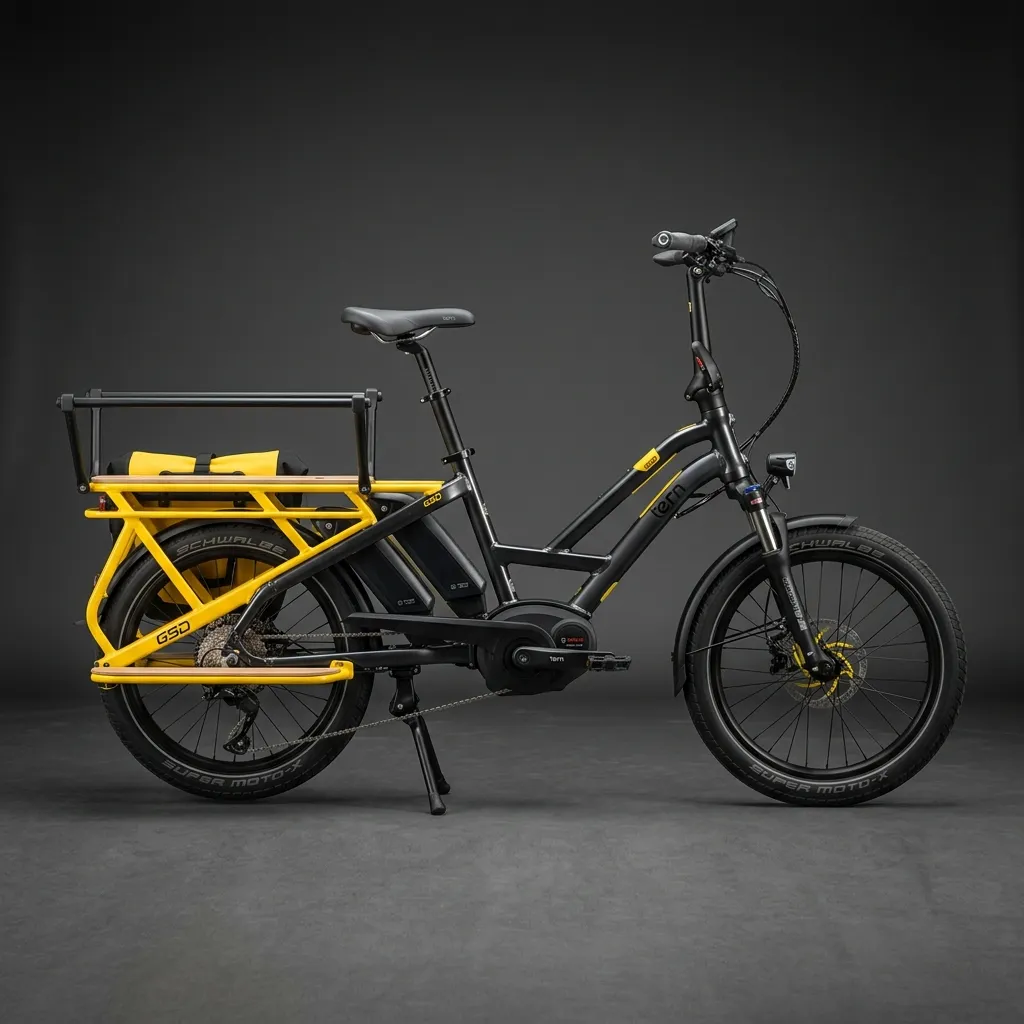
Mechanical Advantage: Using a high-end mid-drive system, the Tern GSD S10 converts motor power directly through the bicycle chain. This setup makes climbing steep hills significantly easier than hub-motor alternatives because the motor uses the bike's gear range for mechanical advantage.
Reliability: The premium construction of this bike translates to high reliability and lower overall lifetime costs. Charging is fast, and the efficiency of the Bosch motor ensures that you maximize your energy usage on every climb, providing a high range relative to battery size.
Pros
- Superior engineering
- Highly efficient motor
- Compact footprint
- Reliable components
Cons
- High retail price
- Smaller stock battery
- Complex maintenance
$4,999 | 3000Wh | 70 km
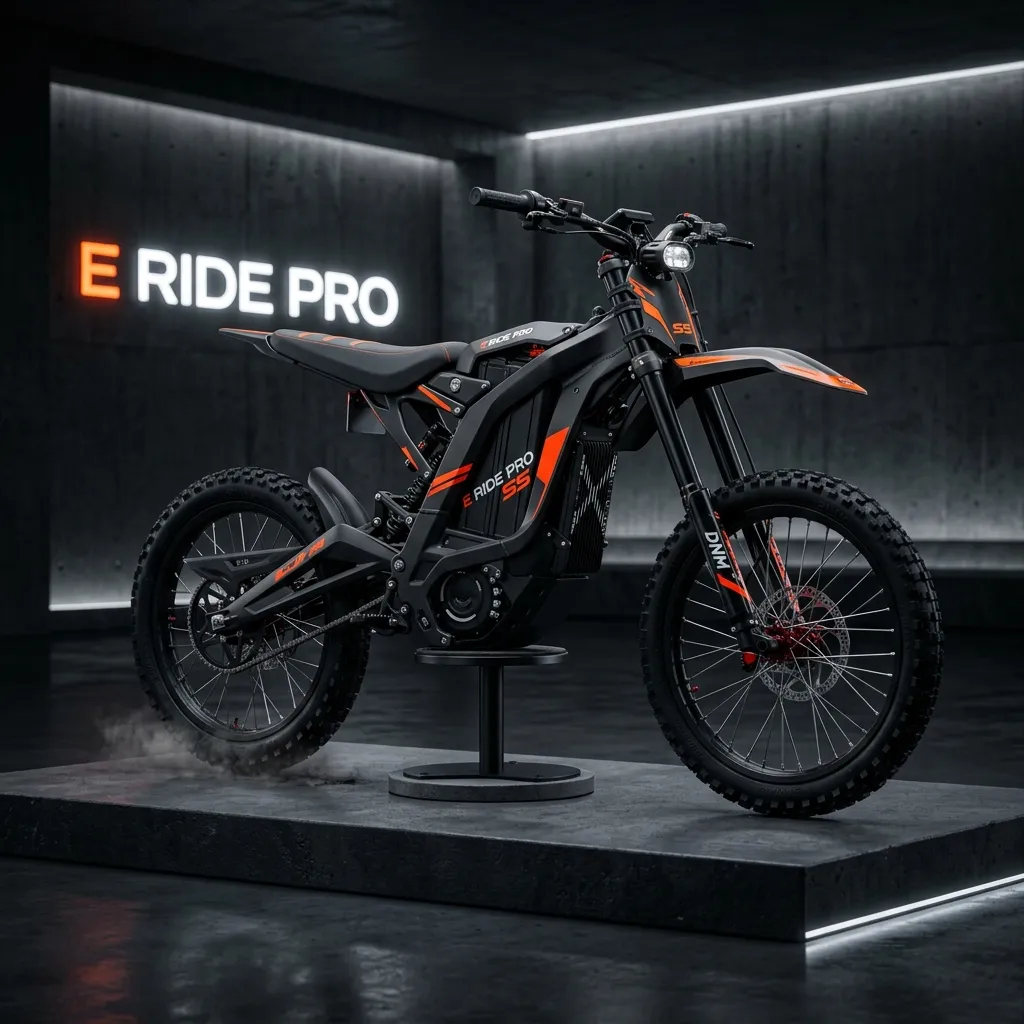
Power Output: This vehicle is effectively a light electric motorcycle, offering a massive frame and suspension setup. It treats steep hills as if they were flat ground, utilizing immense motor power to maintain high speeds regardless of the incline grade.
Reserve Capacity: With a 3000Wh battery, the power reserves are immense, allowing for long-distance climbing without concern for voltage sag. The long-term maintenance reflects its motorcycle DNA, requiring more attention to tire wear and brake systems than a standard bicycle.
Pros
- Massive motor power
- High top speed
- Excellent suspension
- Long battery life
Cons
- Very heavy
- Not pedal-friendly
- Expensive
Frequently Asked Questions
Do I need a mid-drive motor for steep hills?
A mid-drive motor is significantly better for steep hills because it uses the bike's gearing to multiply torque, whereas hub motors rely purely on electrical output.
How does cargo weight affect climbing?
Cargo weight increases the required power to maintain speed. On a hill, this increases battery drain, so high-torque bikes are better suited for heavy loads.
What is the best way to maintain range on hills?
Use a lower gear if your bike has one, and maintain a steady pedal cadence. Avoid constant stop-and-go starts on steep inclines to save battery energy.
Are these bikes legal for road use?
Most bikes listed conform to standard class guidelines, but the E-Ride Pro SS may require local registration in some regions due to its high power and speed capabilities.