
Are E-Bike Batteries Dangerous? (Fire Causes & UL Safety)
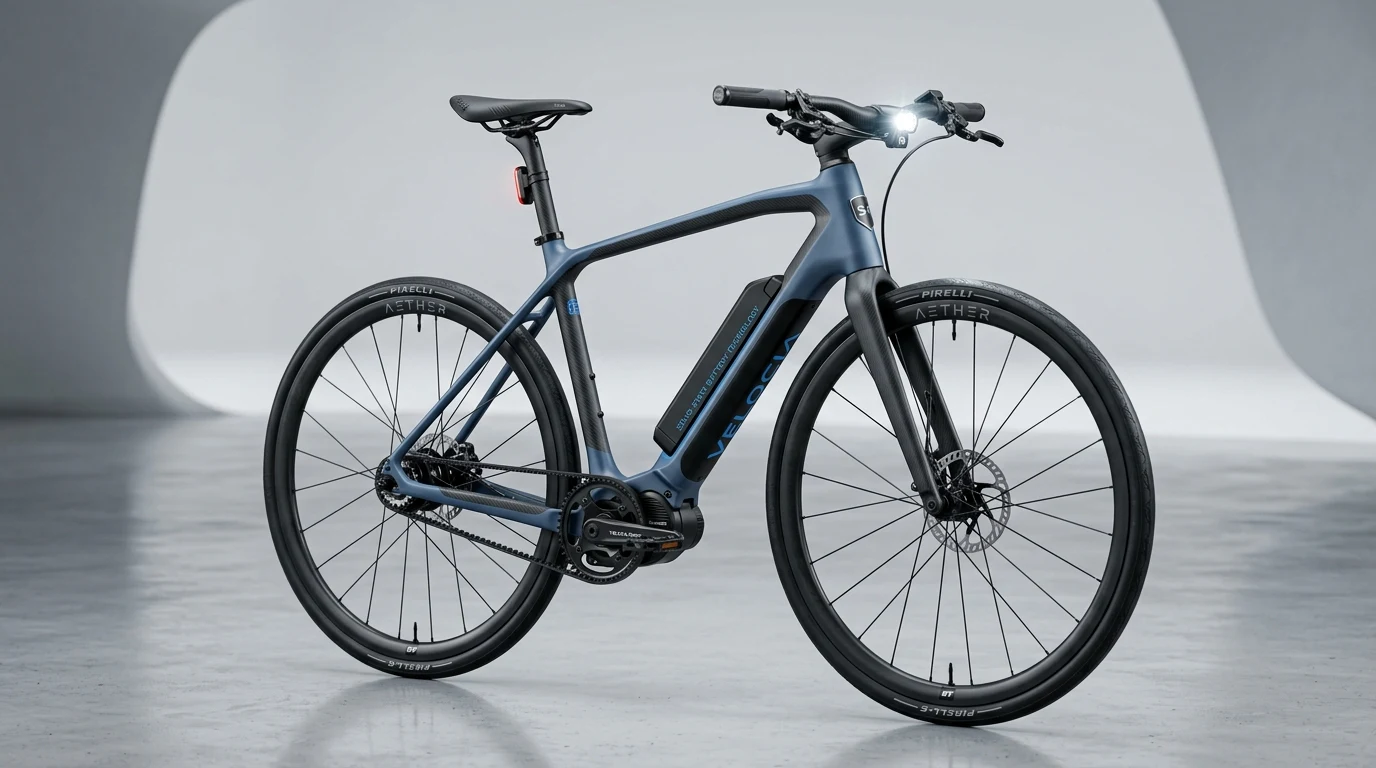
Certified e-bike batteries built with Tier-1 cells and tested to UL 2849 and UL 2271 standards are remarkably safe and carry virtually zero risk of fire under normal use. Battery fires occur almost exclusively in uncertified generic replacement packs, batteries charged with mismatched high-voltage chargers, or packs subjected to severe physical puncture or water intrusion.
Key Strengths
- UL 2849 certified systems undergo rigorous electrical fault, thermal shock, mechanical drop, and water ingress testing.
- Tier-1 cells from Samsung, LG, Panasonic, and Sony incorporate internal pressure relief vents and current interrupt devices (CID).
- Smart multi-channel Battery Management Systems (BMS) continuously monitor temperature, cell balancing, and overcharge current.
- Municipalities like New York City strictly mandate UL certification for all e-bikes sold, leased, or operated on streets.
Trade-offs & Considerations
- Cheap third-party replacement battery packs bought on unverified online marketplaces often lack cell-level fusing.
- Using a charger with mismatched voltage (e.g. plugging a 52V charger into a 36V battery) can bypass BMS overcharge protections.
- Punctured, heavily dented, or water-submerged batteries pose severe thermal runaway risks.
Thermal Runaway Mechanics, Electrolyte Breakdown & CID Failsafes
Analyzing internal short circuits, dendrite growth, and multi-tier protective shutdown circuits.
Lithium-ion batteries store substantial energy in a compact format. A standard 672Wh battery holds roughly the same chemical energy as 1.7 ounces of TNT, released gradually as electrical current. When a battery fails catastrophically, it enters a state called thermal runaway. Thermal runaway is an uncontrollable, self-sustaining exothermic chain reaction: heat generated by an internal short circuit breaks down the polymer separator, releasing oxygen from the cathode metal oxides. This free oxygen reacts with the flammable liquid electrolyte, generating extreme temperatures exceeding 800°C (1,470°F).
In certified UL 2271 battery packs, multiple mechanical and electrical engineering failsafes prevent thermal runaway from starting. Each cylindrical cell contains a Current Interrupt Device (CID) that permanently breaks the electrical circuit if internal gas pressure rises. In addition, cells feature Positive Temperature Coefficient (PTC) switches that increase electrical resistance when heated, choking current flow. The pack's Battery Management System monitors thermistors placed directly against cell groups, opening dual power MOSFET switches to disconnect incoming charge if temperature exceeds 55°C (131°F).
Fire department investigations across North America reveal that over 90% of electric micromobility fires involve uncertified generic battery packs, refurbished batteries assembled without cell spacing, or incompatible third-party chargers. A 54.6V charger plugged into a 36V battery pack forces excessive voltage into 10 series cells. Generic BMS boards without over-voltage protection allow cells to charge beyond 4.35 volts, causing lithium dendrites to grow through separators and initiate catastrophic shorts.
Fire Risk Incident Rates Across Certified vs Generic Battery Packs
Statistical analysis of municipal fire marshal incident reports in urban environments.
Flame-Retardant Casings, Cell Spacing & Dual-MOSFET Circuitry
Physical structural engineering required to earn official UL 2271 certification.
Under UL 2271 standards, cylindrical cells cannot touch one another. They must be mounted in flame-retardant plastic cell holders (UL 94 V-0 rated) that maintain a precise air gap between individual cans. This air gap prevents heat from a single defective cell from propagating to adjacent cells. The entire internal assembly is sealed in an extruded aluminum shell protected by silicone gaskets to prevent water intrusion.
- Plastic cell holders with air gaps prevent thermal propagation between cells.
- UL 94 V-0 flame-retardant plastics self-extinguish within seconds of flame exposure.
- Dual-redundant MOSFET switches isolate battery terminals if voltage or temperature spikes.
- UL certified batteries cost 20% to 30% more due to extensive laboratory testing fees.
- Additional thermal insulation and heavy alloy casings add roughly 1 to 2 lbs to pack weight.
The Golden Rules of E-Bike Battery Safety & Safe Charging
Non-negotiable protocols to maintain 100% safe charging and home storage.
Charging Rules
Storage & Environment
Warning Signs & Disposal
Full 30-Point Battery Fire Safety & Testing Specification Matrix
Laboratory verified data across UL test protocols, cell safety features, and protective BMS parameters.
1. Certification Standards & Laboratory Test Protocols
Primary Safety Standards
Laboratory Stress Test Protocols
2. Electrochemical Safety Failsafes & BMS Parameters
Cell-Level Protective Features
BMS Protection Thresholds
3. Enclosure Fire Ratings, Storage & Emergency Protocols
Enclosure Materials & Fire Ratings
Emergency & Safe Storage Protocols
The Battery Fire Safety Verdict
Why You Should Buy
- ✓ You choose an electric bike with official UL 2849 or UL 2271 safety certifications.
- ✓ You use only the genuine OEM charger provided by the bike manufacturer.
- ✓ You charge on flat, non-flammable surfaces and store the battery indoors at room temperature.
When to Consider Alternatives
- ✕ You buy unbranded, uncertified replacement batteries from unverified online marketplaces.
- ✕ You use random third-party fast chargers with mismatched voltage ratings.
- ✕ You plan to charge e-bike batteries in building exit hallways or fire escapes.
Engineering Deep Dive: Separator Melting Kinetics, Cathode Oxygen Liberation & UL 2849
Written by BikesKnowledge Hardware & Cockpit Electronics Laboratory Desk.
Understanding the root physics of lithium-ion fire safety requires examining the chemical kinetics inside a cell during thermal breakdown. Traditional cylindrical cells utilize a microporous polymer separator—typically polyethylene (PE) or polypropylene (PP)—measuring just 12 to 20 micrometers in thickness. Polyethylene melts at approximately 130°C (266°F), while polypropylene melts at 165°C (329°F). If localized electrical shorts or excessive charging voltage raise internal temperature past this threshold, the separator melts, creating a direct low-resistance short circuit between the graphite anode and metal oxide cathode.
In certified Tier-1 cells, manufacturers apply an ultra-thin ceramic coating (aluminum oxide, Al2O3) to the polymer film. This ceramic skeleton maintains physical separation of the electrodes even if the base polymer melts at 150°C, raising the thermal breakdown barrier to over 200°C (392°F). Furthermore, modern cathode formulations incorporate protective coatings that increase the activation energy required to liberate oxygen, preventing chemical oxygen from feeding flammable electrolyte vapor.
UL 2849 certification audits the complete electrical powertrain as an interdependent safety system. Rather than testing only individual cells, UL engineers test the charger, battery pack, wiring loom, motor controller, and display together. Fault testing deliberately introduces single-point failures—such as shorting a BMS transistor or disconnecting temperature thermistors during high-amp charging. To pass UL 2849, the system must contain all thermal events safely without catching fire, bursting into flame, or producing an explosion.
"A certified UL 2849 e-bike battery represents one of the most thoroughly tested, multi-layered electronic safety systems in modern consumer transportation."
Frequently Asked Questions
No, not when they are UL certified (UL 2849 or UL 2271) and charged with their original OEM charger. Certified batteries with Tier-1 cells from Samsung or LG have a failure rate of less than 0.001%.
Battery fires are caused by cheap uncertified replacement packs, using the wrong high-voltage charger, physical puncture or crash damage, and water corrosion inside generic battery enclosures.
UL 2849 is the comprehensive safety standard that tests the entire electrical drive system—battery, motor, controller, and charger—against fire, electrical shock, and mechanical explosion hazards.
Yes, provided the battery is UL certified, charged with the original charger on a hard non-flammable surface (like tile or concrete), and kept away from exit doors and heating vents.
Yes. Fire departments use large amounts of water to cool surrounding cells and stop thermal runaway propagation. A standard ABC dry chemical fire extinguisher can put out flames on surrounding materials.
Unplug the charger immediately. Do not touch or move the pack indoors if it is hissing or smoking. If safe, move it outdoors away from flammable structures and contact emergency services.
Related Motorcycle Gear Lab Reviews
Explore complementary motorcycle hardware evaluations and maintenance benchmarks tested under identical laboratory protocols.