Best Class 3 Electric Bikes 28 MPH 2026 (Fast Commuter E-Bikes)
A comprehensive technical evaluation of the best 28 mph Class 3 electric bicycles for 2026. We benchmark mid-drive vs rear hub motor torque delivery, high-speed battery depletion, 4-piston hydraulic braking stopping distances, torque sensor sensitivity, and street-legal roadway compliance.
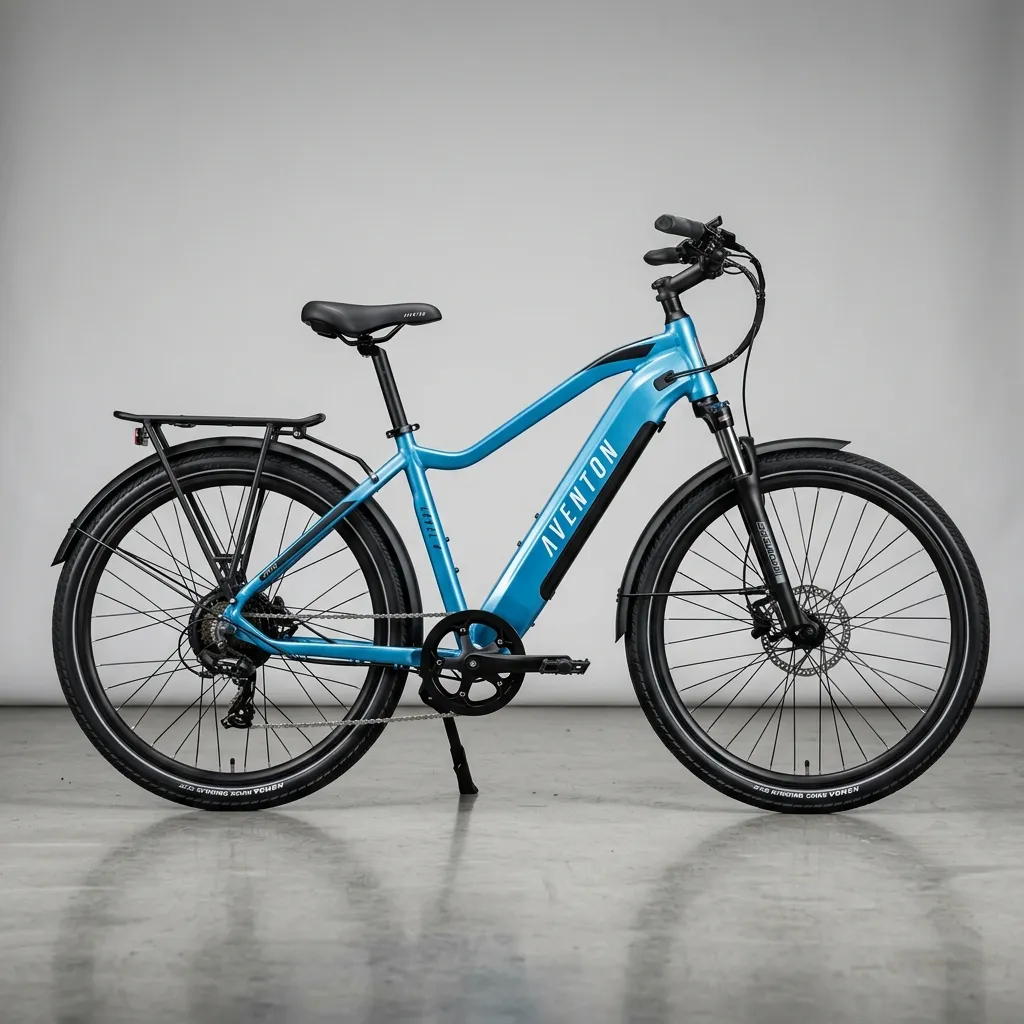
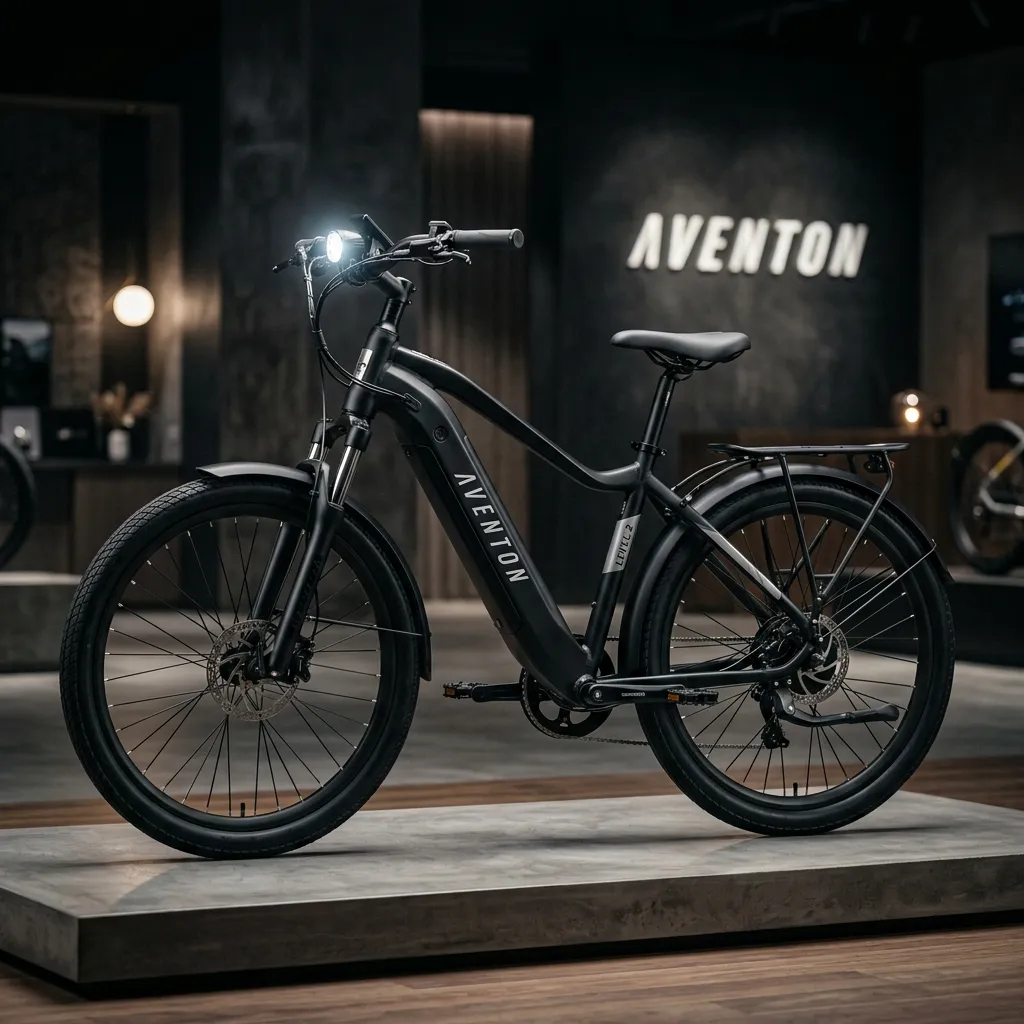
The benchmark daily speed commuter. Features a 750W brushless motor, intelligent torque sensor, regenerative braking system, 28 mph Class 3 top speed, 720Wh removable battery (60 miles range), 4-piston hydraulic disc brakes, and full color display with turn-by-turn navigation.
MOTOR750W Sustained
TOP SPEED28 mph Class 3
BATTERY720Wh UL 2849
RANGE60 miles PAS
Key Strengths
28 mph Class 3 pedal assistance keeps pace with vehicular city road traffic
Regenerative braking recharges the battery on long downhill descents and reduces pad wear
Pre-installed rear luggage rack (55 lbs capacity) and full alloy fenders included
Trade-offs
56 lbs carry weight requires effort when mounting on trunk bicycle racks
Throttle assistance remains legally capped at 20 mph
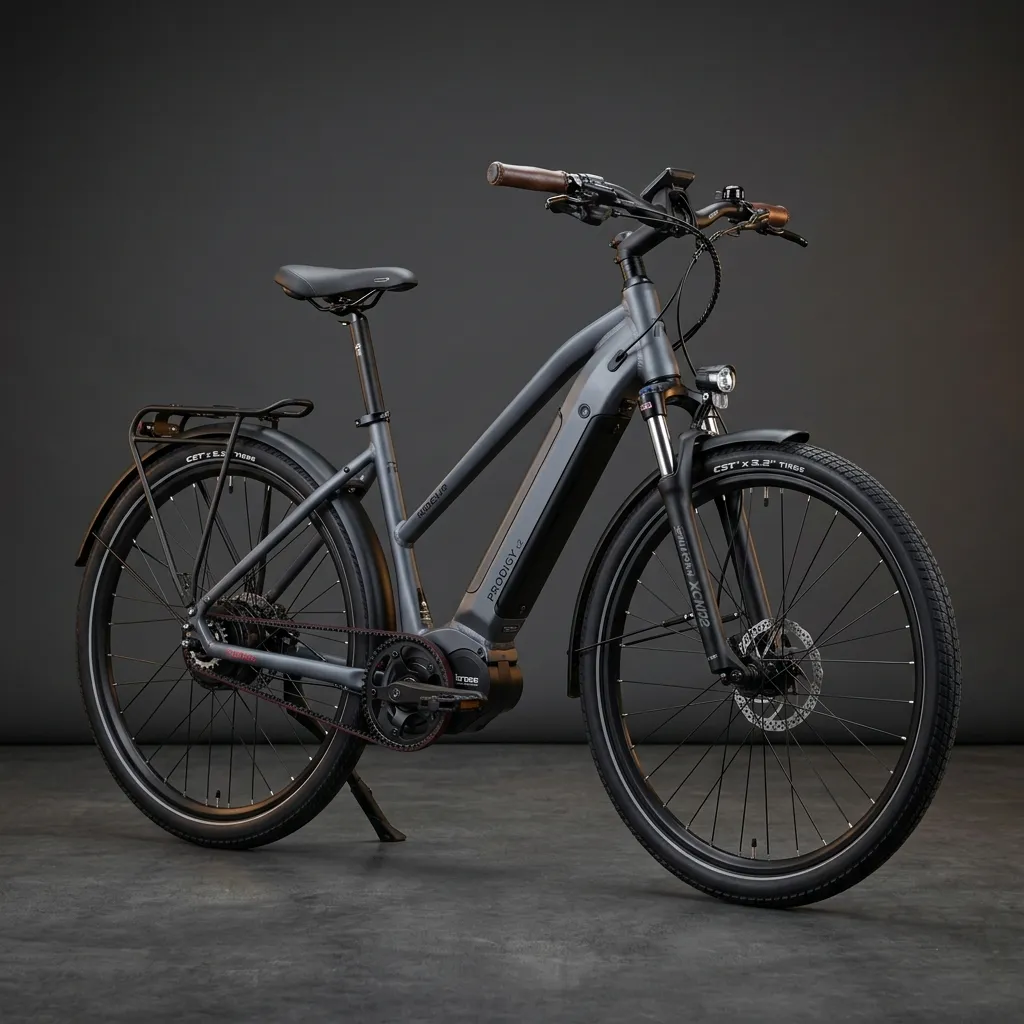
Features a German-engineered Brose TF Mag mid-drive motor (90 Nm torque), Gates Carbon belt drive, Enviolo stepless internal hub, 28 mph Class 3 assist, 504Wh battery, air suspension fork, and 4-piston hydraulic brakes.
MOTORBrose Mid (90 Nm)
TOP SPEED28 mph Class 3
DRIVETRAINGates Belt / Enviolo
RANGE50 miles
Key Strengths
90 Nm Brose mid-drive leverages bike gearing for unmatched steep hill climbing torque
Grease-free Gates Carbon belt and Enviolo internal hub eliminate chain maintenance
Ultra-smooth torque sensing provides the most natural cycling sensation at 28 mph
Trade-offs
Higher $2,395 price point
No throttle (pure pedal-assist Class 3 configuration)
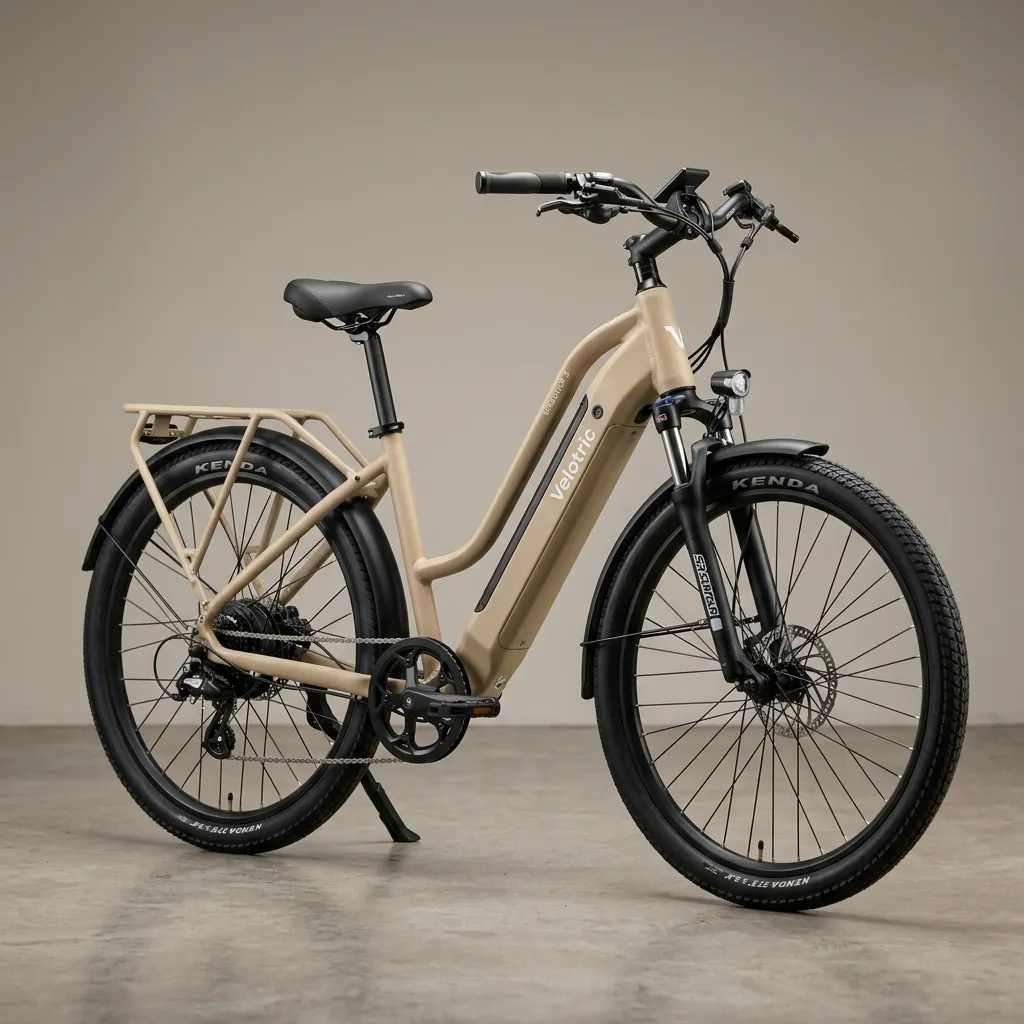
Features a 750W motor (80 Nm torque), 705Wh UL-certified battery yielding 75 miles range, 28 mph Class 3 speed, 80mm hydraulic lockout suspension, SensorSwap technology, and Apple Find My tracking.
MOTOR750W (80 Nm)
TOP SPEED28 mph Class 3
BATTERY705Wh UL 2849
RANGE75 miles
Key Strengths
Category-leading 75-mile battery range allows multiple days between charges
Integrated Apple Find My provides built-in anti-theft location tracking
Plush 80mm hydraulic front suspension soaks up highway bumps at 28 mph
Trade-offs
63 lbs total weight
Large frame footprint requires space in compact entryways
Features a 500W sustained motor, torque sensor, 672Wh battery, 60 miles range, 28 mph Class 3 top speed, pre-installed rear cargo rack, hydraulic disc brakes, and full alloy fenders.
MOTOR500W (750W Peak)
TOP SPEED28 mph Class 3
BATTERY672Wh Removable
RANGE60 miles
Key Strengths
Proven reliability record with thousands of daily commuter miles logged
Torque sensor delivers instantaneous, natural motor response up to 28 mph
Available in both Traditional Step-Over and Step-Through frame designs
Trade-offs
Spring coil fork lacks the fine adjustability of higher-tier air forks
Throttle power capped at 20 mph per Class 3 regulations
Class 3 (28 MPH) Electric Bike Technical Buyer's Guide
When investing in a high-speed Class 3 electric bicycle capable of 28 mph in 2026, evaluate four critical engineering factors:
Mid-Drive vs Hub Motor Dynamics: Mid-drive motors (like Brose and Bosch) route power through your bike's rear cassette, delivering superior hill-climbing leverage and efficient high-cadence pedaling. Hub motors provide direct, low-maintenance rear-wheel propulsion.
High-Speed Battery Consumption: Aerodynamic drag increases exponentially at 28 mph compared to 15-20 mph. Expect battery consumption to increase by 35-50% when cruising continuously at top assist speed. Opt for battery packs rated at 650Wh to 750Wh minimum.
Braking Hardware (4-Piston Calipers & 180mm+ Rotors): Kinetic energy at 28 mph is double that at 20 mph. 4-piston hydraulic disc calipers paired with 180mm or 203mm rotors provide the thermal heat dissipation required for reliable emergency stops.
Legal Trail and Path Access: Class 3 e-bikes are permitted on public roadways and designated on-street bike lanes, but are generally prohibited on non-motorized multi-use recreational nature trails. Verify local state and municipal regulations.
Frequently Asked Questions (7 Questions)
What is the best Class 3 electric bike capable of 28 mph in 2026?
The Aventon Level 4 REC ($1,899) is the top hub-motor speed commuter, while the Ride1Up Prodigy V2 ($2,395) is the best mid-drive performance model.
What is the legal difference between a Class 2 and a Class 3 electric bike?
Class 2 bikes provide motor assistance up to 20 mph with throttle or pedal assist. Class 3 bikes provide pedal assist up to 28 mph, while throttle remains capped at 20 mph.
How far can a Class 3 e-bike travel when riding at a continuous 28 mph?
At continuous 28 mph speeds, a standard 700Wh battery yields 30 to 45 miles of real-world range due to elevated aerodynamic wind resistance.
Are Class 3 electric bikes allowed on multi-use paved bike paths?
Most shared-use pedestrian paths restrict Class 3 e-bikes to protect walkers. However, Class 3 bikes are fully legal on roads, bike lanes, and highway shoulders.
Do mid-drive motors perform better than hub motors at 28 mph?
Mid-drive motors utilize the bike's gear ratios for superior acceleration and hill climbing, whereas hub motors offer simpler direct propulsion with zero drivetrain chain-wear.
What helmet and safety gear is recommended for riding 28 mph e-bikes?
An NTA 8776 certified speed pedelec helmet is strongly recommended, as it provides 43% greater impact protection for the temporal and occipital lobes than standard bicycle helmets.
Do you need a motorcycle license or vehicle registration for a Class 3 e-bike?
In North America, Class 3 e-bikes do not require a driver's license, vehicle registration, or insurance, though riders must typically be at least 16 years of age and wear a helmet.