Best Budget Commuting Electric Bikes 2026 (Top Rated Urban E-Bikes)
An engineering comparison of the best budget urban electric commuter bikes for 2026. We evaluate torque vs cadence pedal-assist sensors, Gates Carbon Belt drive vs Shimano derailleurs, UL 2849 fire safety certification, real-world range (35 to 75 miles), and lightweight carry weights (33 to 54 lbs).
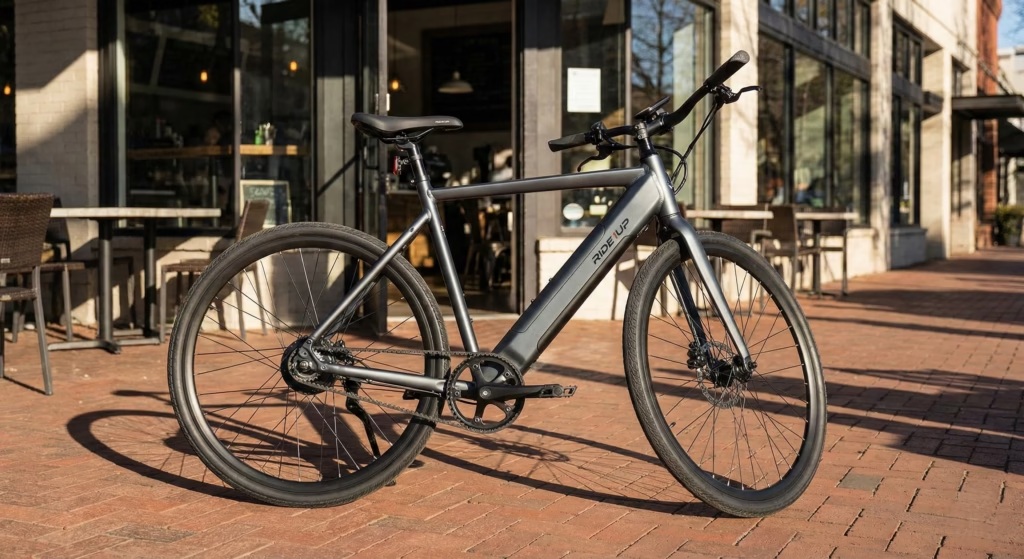
The cleanest, most maintenance-free city commuter e-bike available. Features a maintenance-free Gates Carbon Drive belt system, 500W geared hub motor, Samsung 36V 10Ah integrated frame battery, 40-mile range, and an ultra-lightweight 33 lbs carry weight.
MOTOR500W Geared Hub
WEIGHT33 lbs Ultra-Light
RANGE40 miles PAS
TOP SPEED24 mph Class 3
Key Strengths
Grease-free Gates Carbon belt drive eliminates dirty chain stains on work pants
Ultra-light 33 lbs chassis easily carried up apartment stairs or onto subway cars
Stealthy integrated battery design resembles a high-end acoustic road bicycle
Trade-offs
Single-speed gearing requires extra leg effort on 12%+ steep uphill grades
Non-removable internal frame battery requires charging near an outlet
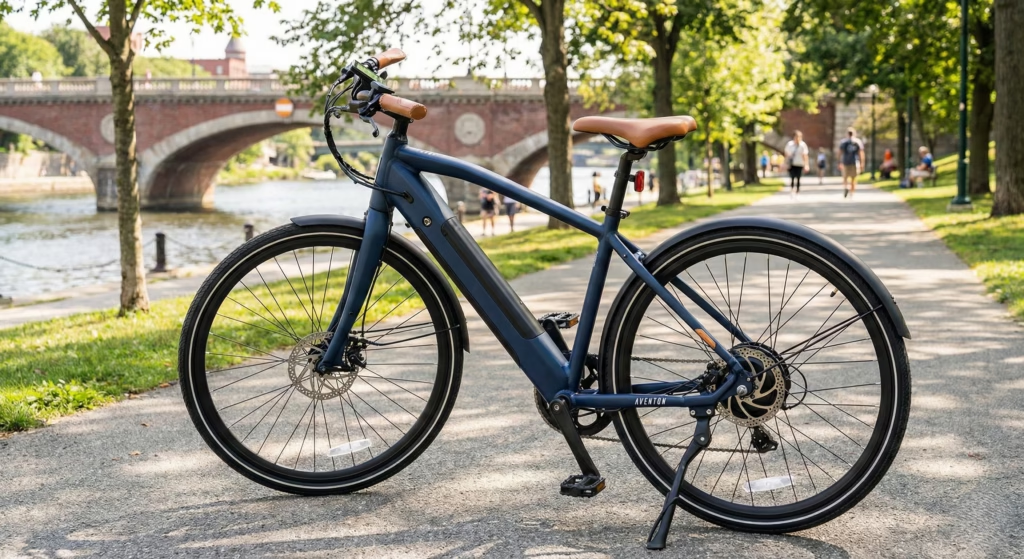
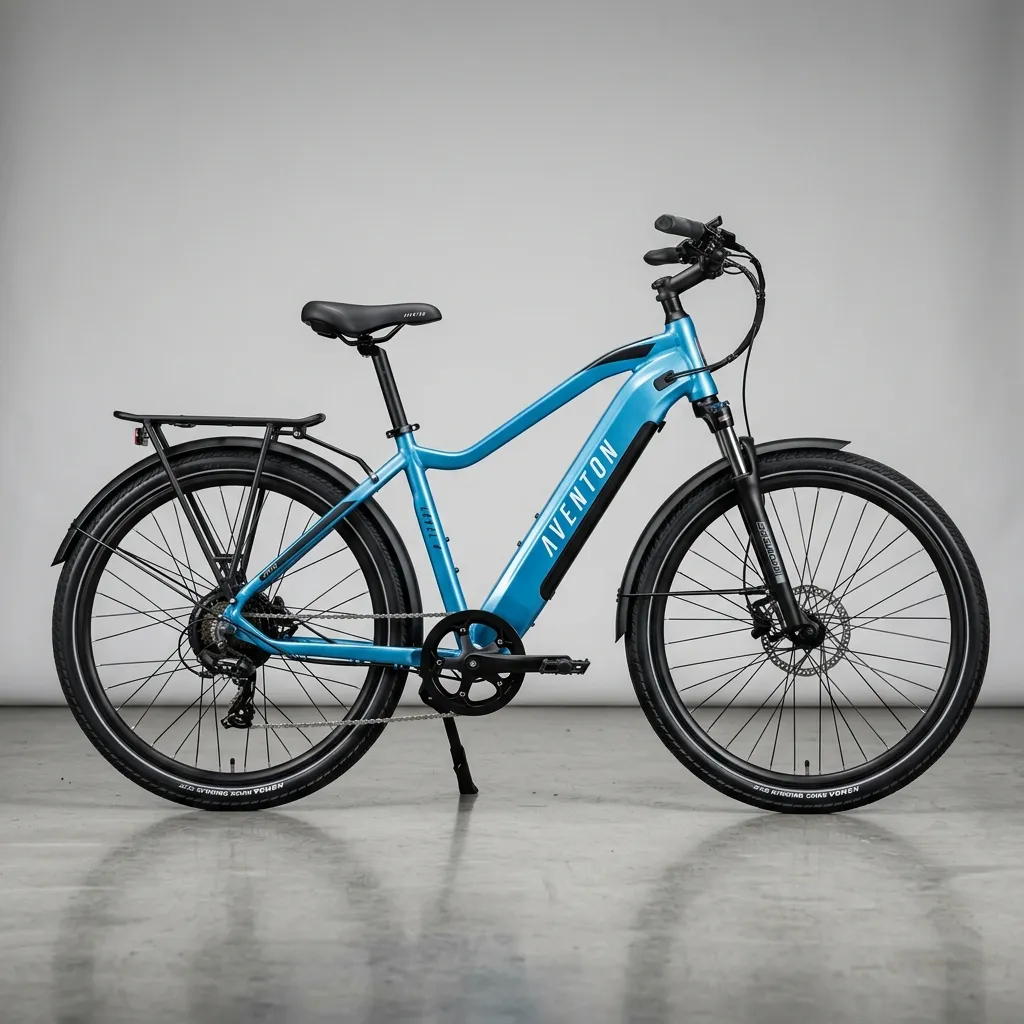
Features an intuitive torque sensor delivering instant natural pedal assistance, 350W motor, 36V 9.6Ah LG battery, 46 miles of range, frame-integrated turn signals, and 41 lbs agile handling.
MOTOR350W Brushless
SENSORNatural Torque
RANGE46 miles
TOP SPEED20 mph Class 2
Key Strengths
Torque sensor matches pedal effort naturally without sudden motor surging
Integrated frame turn signals and taillights maximize urban commuting safety
UL 2849 certified electrical system for total peace of mind
Trade-offs
Rigid aluminum fork transmits road vibrations on broken asphalt
The luxury long-distance commuter. Features a powerful 750W hub motor (80 Nm torque), 705Wh battery yielding 75 miles range, 28 mph Class 3 unlocking, 80mm hydraulic suspension fork, and Apple Find My tracking integration.
MOTOR750W (80 Nm)
BATTERY705Wh UL 2849
RANGE75 miles
TOP SPEED28 mph Class 3
Key Strengths
Category-leading 75-mile range allows full-week commuting on a single charge
SensorSwap technology lets riders switch between torque and cadence assist modes
Integrated Apple Find My provides built-in anti-theft location tracking
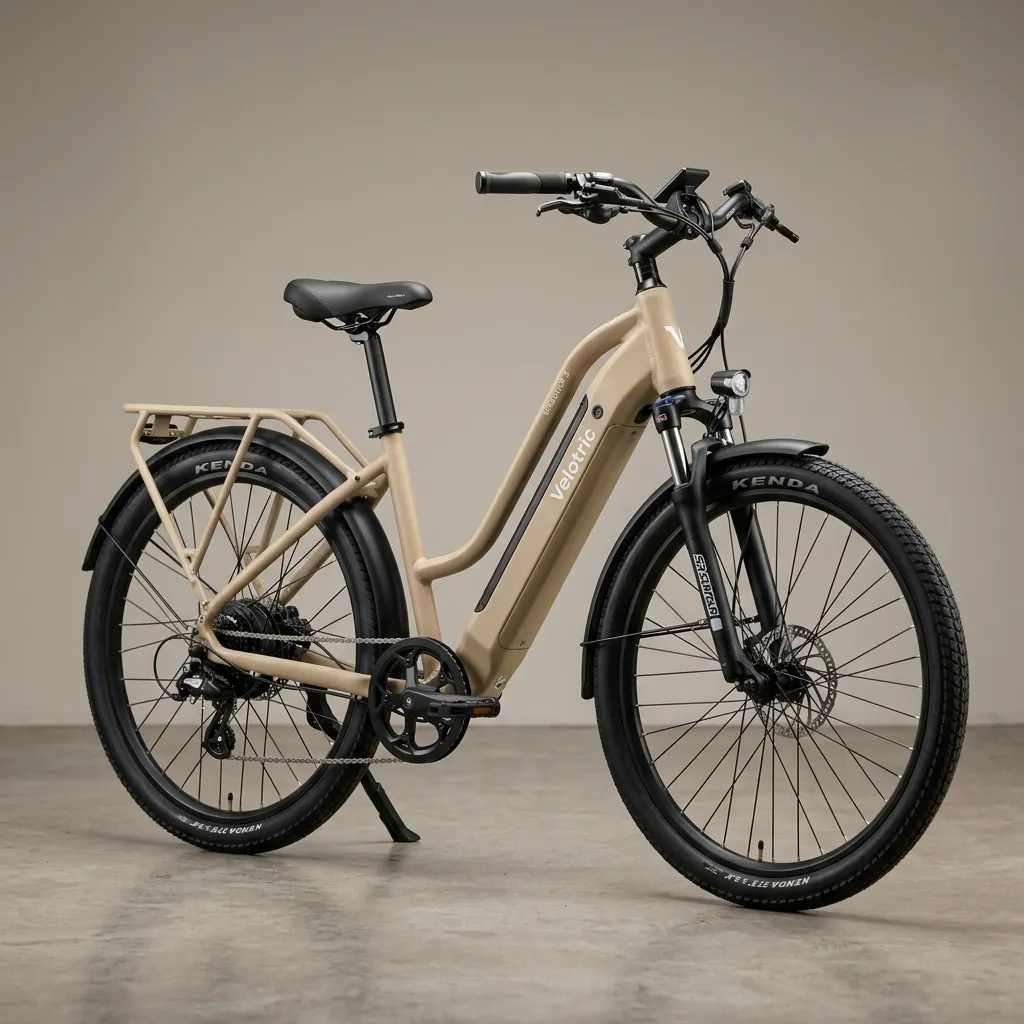
Engineered specifically for daily work transit. Equipped with a 500W sustained motor (750W peak), torque sensor, 672Wh battery, 60 miles range, 28 mph Class 3 top speed, pre-installed rear cargo rack, and full metal fenders.
MOTOR500W (750W Peak)
BATTERY672Wh Removable
RANGE60 miles
TOP SPEED28 mph Class 3
Key Strengths
High 28 mph speed capability keeps pace with urban car traffic
Pre-installed rear luggage rack holds up to 55 lbs of panniers and work gear
Front suspension fork absorbs jarring city expansion joints and potholes
Trade-offs
54 lbs weight requires effort when mounting on rear car bike racks
Stock saddle may feel firm for casual upright cruising
Urban Commuter Electric Bike Technical Buyer's Guide
When selecting a budget electric bike for daily work or campus commuting in 2026, evaluate four critical engineering criteria:
Torque Sensor vs Cadence Sensor Dynamics: Torque sensors measure how hard you push on the pedals to deliver instantaneous, natural motor boost without delay. Cadence sensors simply detect pedal rotation, resulting in a 0.5-second power surge delay.
Drive System (Gates Carbon Belt vs Shimano Chain): Belt drives require zero lubrication, never rust in rain or snow, and will not soil work clothing. Traditional chain derailleurs offer wider gear ranges for climbing steep hills.
UL 2849 Safety Compliance: Never compromise on battery safety. Always confirm full system UL 2849 certification to ensure compliance with apartment lease rules and municipal fire safety codes.
Class 2 (20 mph) vs Class 3 (28 mph): If your daily route includes multi-lane boulevards with car traffic, a 28 mph Class 3 e-bike significantly improves your commuting speed and safety.
Frequently Asked Questions (7 Questions)
What is the best budget commuting electric bike to buy in 2026?
The Ride1Up Roadster V3 ($1,295) is the best stealth belt-drive commuter, while the Aventon Soltera.2 ($1,199) is the top lightweight torque-sensor model.
How far can a commuter e-bike travel on a single battery charge?
Real-world commuting ranges span from 35 to 45 miles on lightweight models (350Wh battery) up to 60 to 75 miles on large-battery models (700Wh battery).
What is the difference between a torque sensor and a cadence sensor?
A torque sensor measures pedaling force dynamically for seamless natural assist, whereas a cadence sensor functions like an on/off switch based on crank spinning.
Are budget electric bikes safe to store and charge inside apartments?
Yes, as long as the e-bike has certified UL 2849 system-level and UL 2271 battery-level fire safety certifications.
How fast can a Class 3 commuter electric bike travel legally on city streets?
Class 3 electric bikes provide motor assistance up to 28 mph (45 km/h) under pedal assist, with throttle capped at 20 mph.
What is the expected battery lifespan and replacement cost for commuter e-bikes?
Lithium-ion commuter batteries last 800 to 1,200 full charge cycles (3 to 5 years). Official replacement batteries cost between $350 and $550.
Is a belt drive better than a traditional chain derailleur for daily commuting?
For flat to moderate city streets, Gates Carbon belt drives are superior because they require no chain lube, operate silently, and last over 10,000 miles.