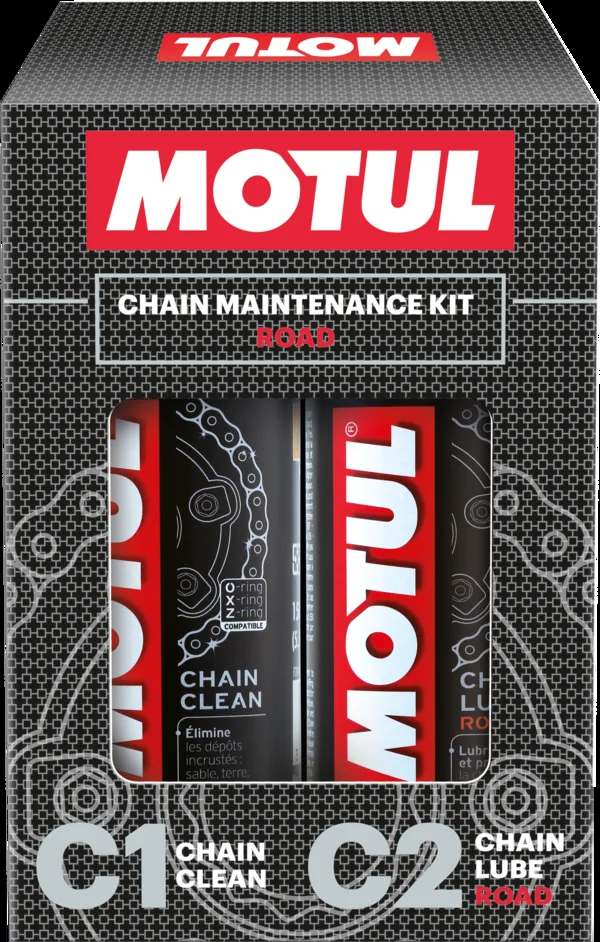
Base FormulaSynthetic Ester Lube
Cleaner TypeC1 Non-Chlorinated
Anti-FlingTested to 130 mph
Seal SafetyO, X, Z-Ring Safe
Cure Time15 Minutes

Improper chain maintenance destroys sprockets and causes premature chain stretch. We tested five top chain care formulas across 90 mph centrifugal fling resistance, nitrile O-ring rubber swell immersion tests, mechanical scrubbing efficiency, and drivetrain friction drag reduction.
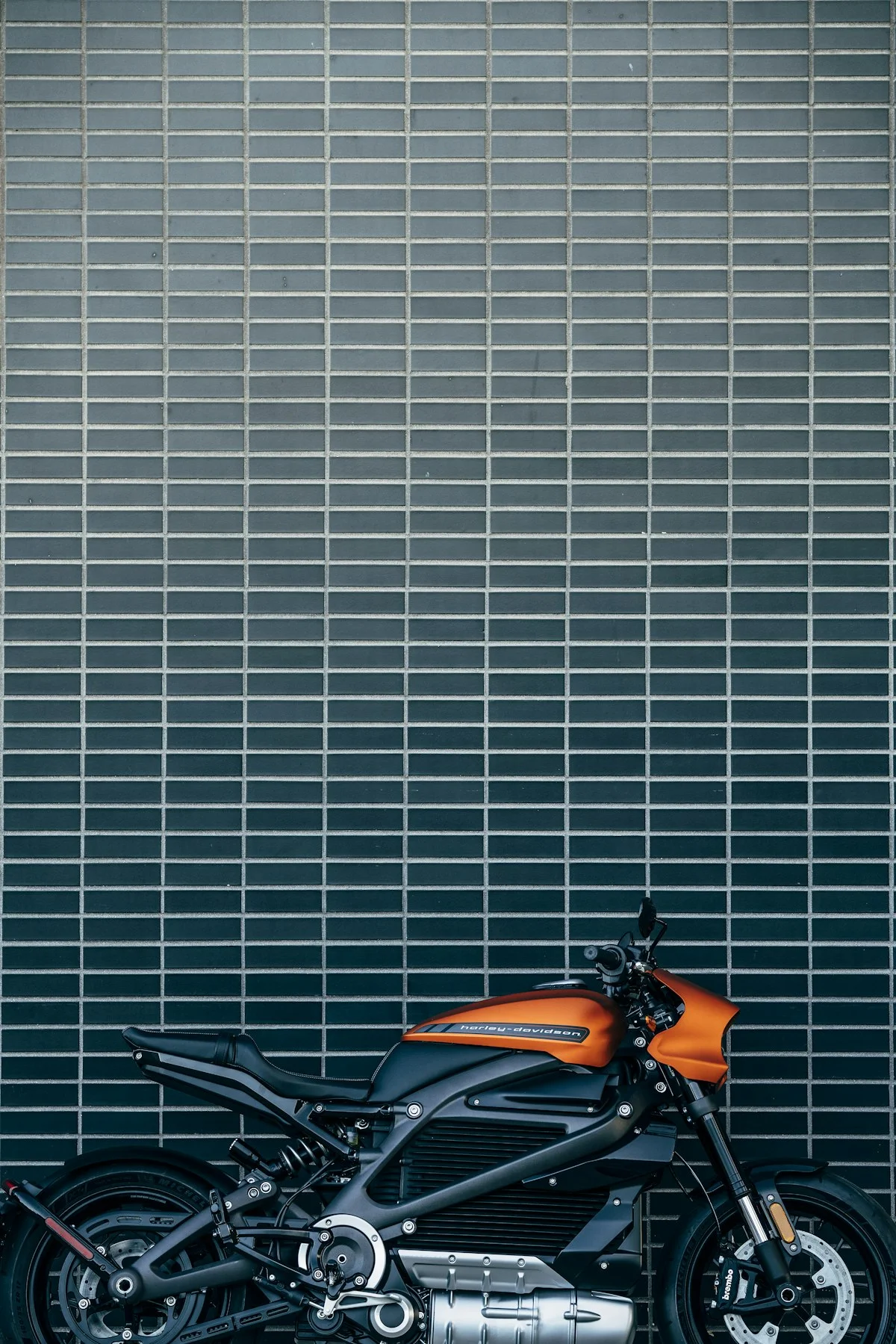
Direct verified retail links with current pricing, formula characteristics, and application guidance.
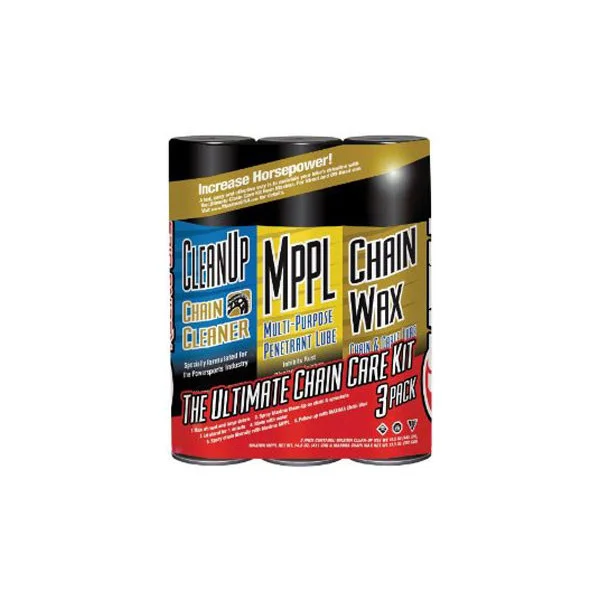
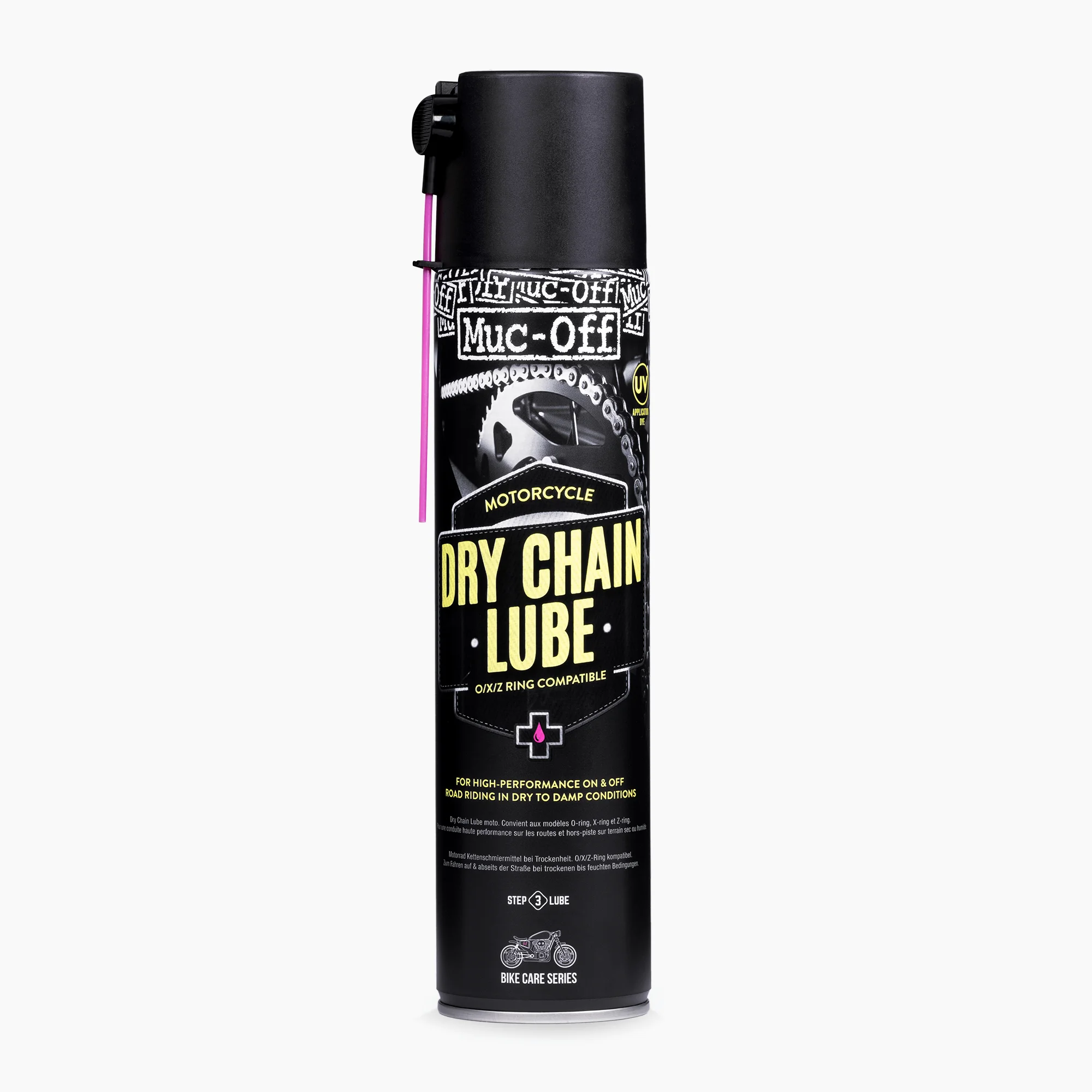
How solvent chemical structures preserve internal pin factory grease without O-ring degradation.
Centrifugal fling retention measured on pristine white rear wheels after 200 highway miles.
Step-by-step garage procedure to double drive chain lifespan and prevent sprocket hooking.
Side-by-side chemical and tribology comparison across all 5 benchmarked chain products.
Written by BikesKnowledge Tribology & Drivetrain Engineering Desk.
A motorcycle drive chain operates under punishing mechanical conditions. As the engine delivers power, the chain transmits thousands of pounds of tensile force over sprockets rotating at 6,000 RPM. In modern O-ring, X-ring, and Z-ring drive chains, the internal pin and bushing are permanently lubricated with high-viscosity grease injected at the factory. The rubber seal rings sit between inner and outer link plates to trap this grease inside while sealing out road sand and rainwater.
"When you lubricate an O-ring chain, you are not lubricating the internal pin — the factory grease already does that. Your job is to lubricate the interface between the roller and sprocket teeth, and keep the rubber O-rings supple to prevent cracking."
At 70 mph, the rear sprocket spins at approximately 900 RPM. A single link passing around a 45-tooth sprocket experiences centrifugal acceleration exceeding 150 times the force of gravity. Liquid oils lack the shear cohesion to resist this force, flinging outward against the chain guard, rear rim, and swingarm. Modern chain waxes resolve this by utilizing volatile solvent carriers that evaporate rapidly upon application, leaving behind a dry, non-tacky paraffin layer that clings tenaciously to roller metal.
Manufacturers recommend cleaning and lubricating sealed chains every 300 to 500 miles under normal street conditions, and immediately after riding in heavy rain or on sandy coastal roads.
Pure kerosene is safe for nitrile rubber seals, but standard WD-40 contains petroleum distillates that can seep past O-rings and dilute internal factory grease over time. Dedicated non-chlorinated chain cleaners like Motul C1 offer optimal safety.
Chain waxes use evaporative solvent carriers that deposit a dry, non-tacky paraffin coating. This eliminates high-speed centrifugal fling onto rear wheels, fairings, and exhausts while rejecting road grit.
Always lubricate a motorcycle chain immediately after riding while the links are warm. Heat expands metal clearances and capillary action draws lubricant deep into roller bushings.
Allow at least 15 to 30 minutes for carrier solvents to evaporate completely. Riding immediately causes centrifugal force to fling wet lubricant across your wheel rim and brake rotor.
Road grit blends with old lube into an abrasive grinding compound that saws through O-rings, leading to tight spots, uneven chain stretch, power loss, and premature sprocket failure.
Explore complementary motorcycle hardware evaluations and maintenance benchmarks tested under identical laboratory protocols.
Maintenance Ecosystem: Drivetrain care is part of a comprehensive preventative maintenance routine. Along with regular chain lubrication, riders should maintain proper tire pressure using portable battery-powered tire inflators. When parking outdoors, shielding your drive chain from rain with waterproof outdoor motorcycle covers prevents rust, while carrying travel lube cans is simple in compact motorcycle tank bags. Secure your bike during maintenance stops with audible alarm disc locks.