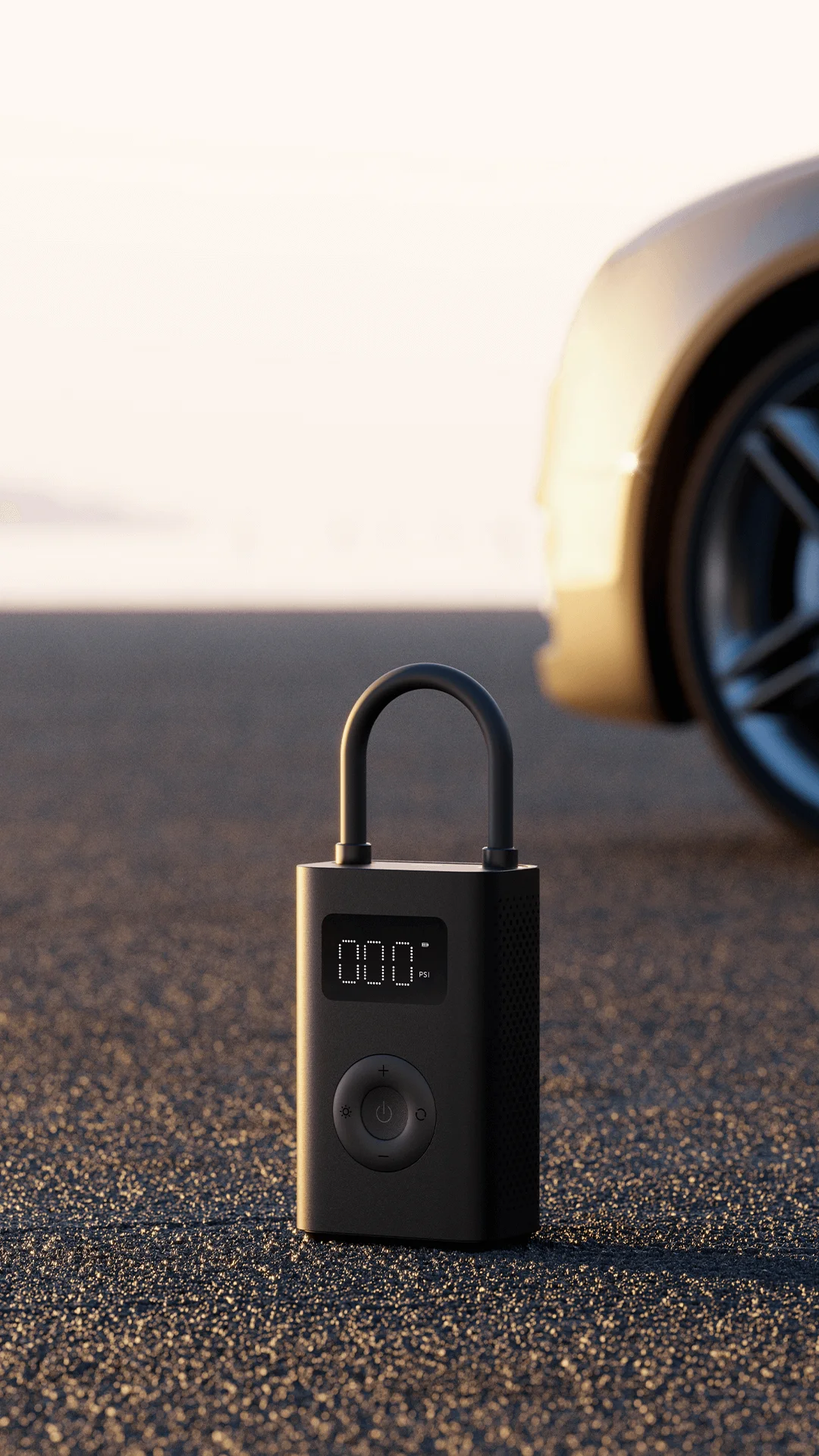
Airflow Rate18 Liters / Min
Max PSI150 PSI
Battery Cell2,000 mAh Li-Ion
Accuracy±1 PSI Digital
Weight1.08 lbs (Ultra Packable)

Low tire pressure degrades motorcycle handling, causes sidewall squirm, and induces rim damage. We bench-tested five leading cordless tire compressors across 0 to 36 PSI inflation velocities, digital pressure transducer accuracy, thermal cylinder dissipation, and compact under-seat stowage.
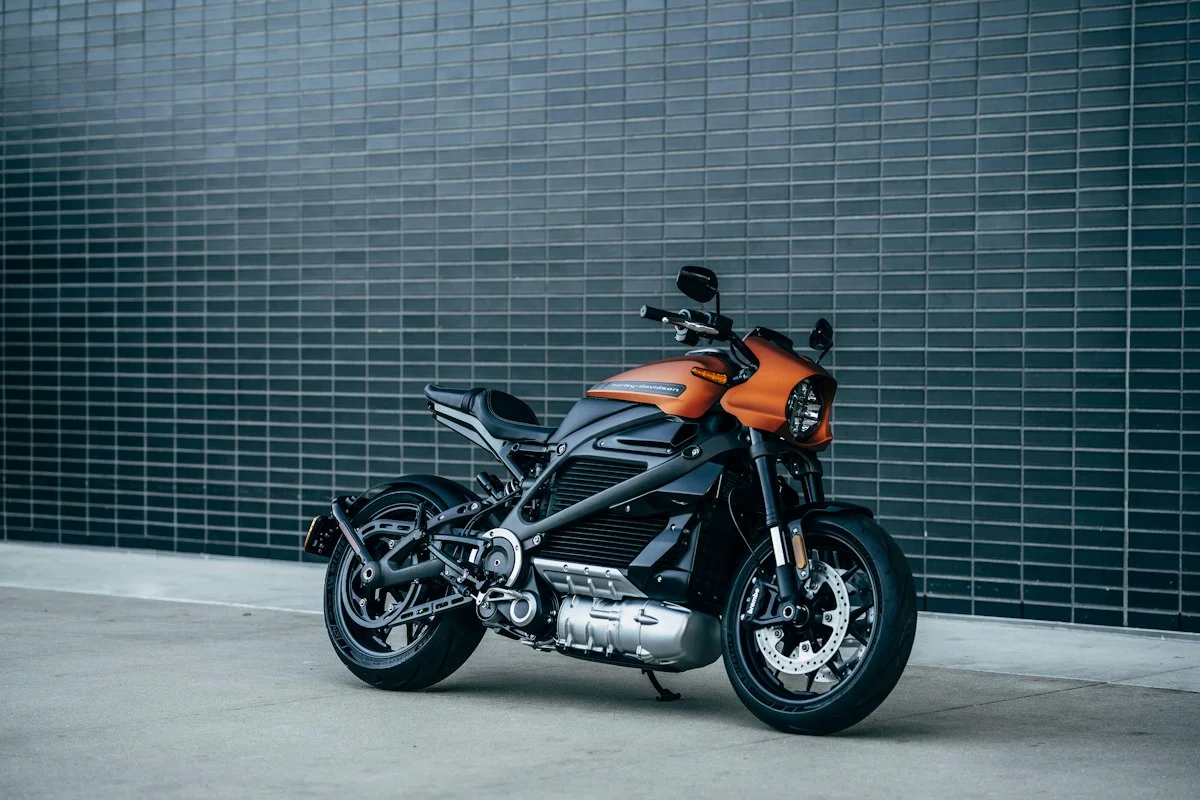
Direct verified retail links with current pricing, battery capacity specs, and packability notes.
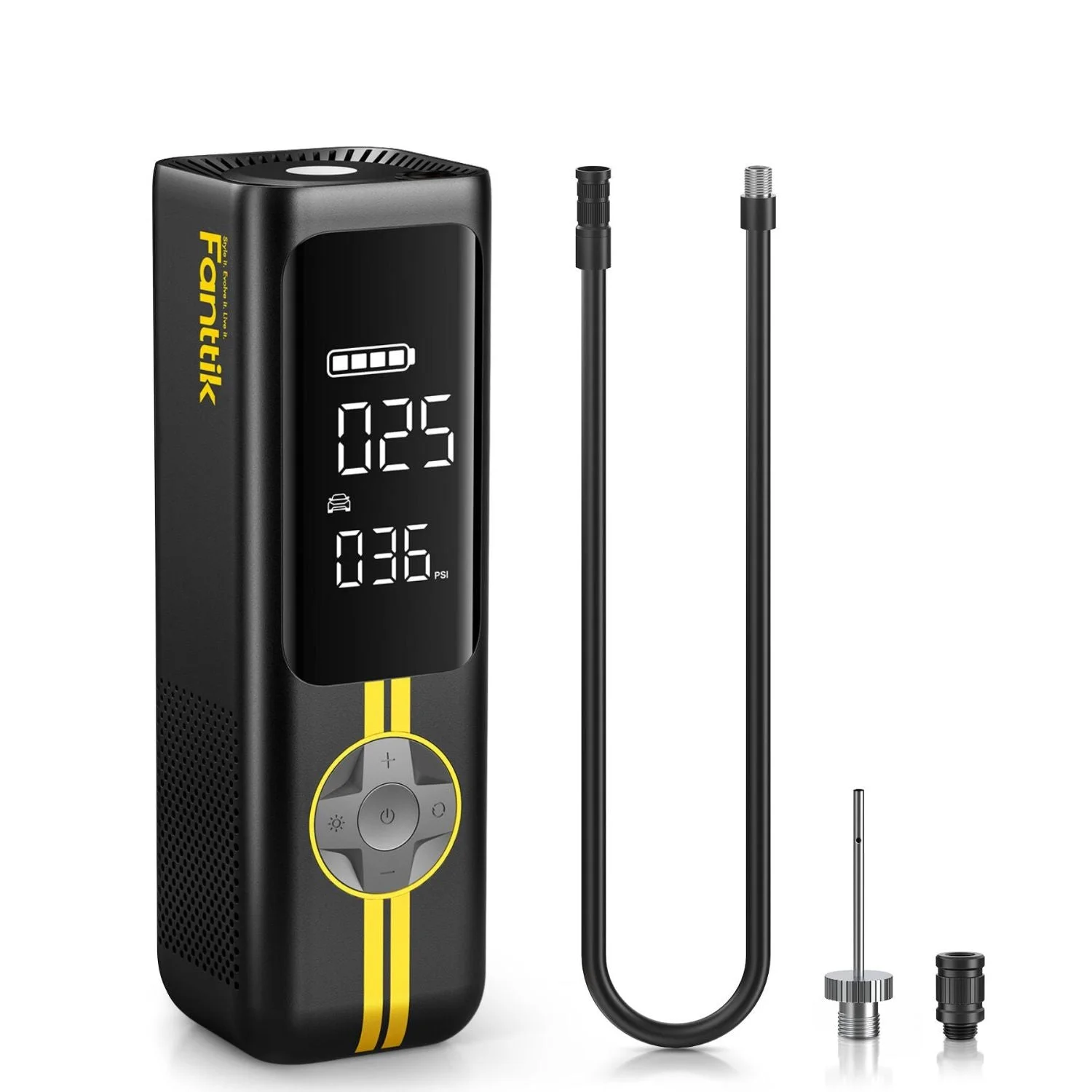
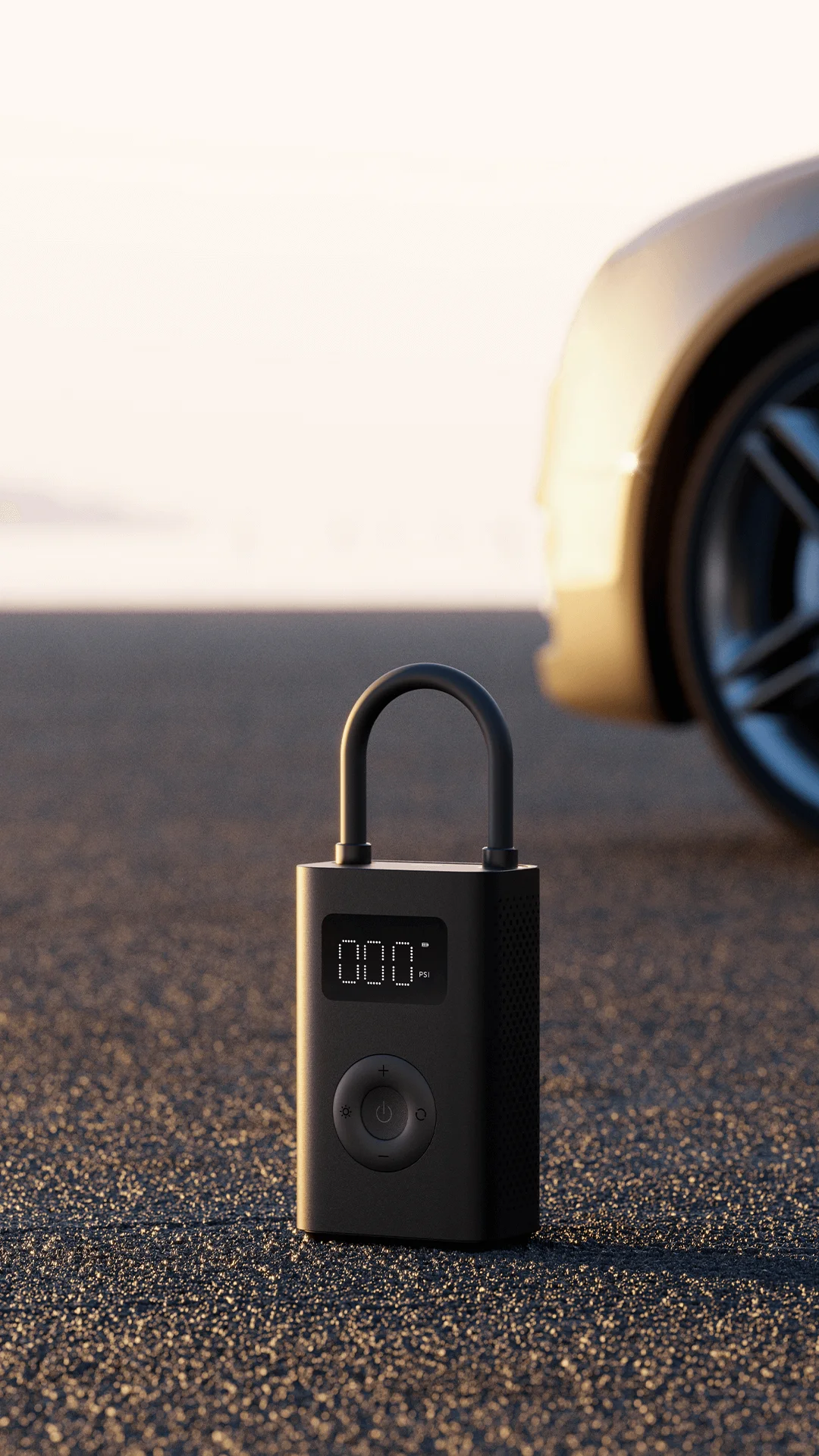
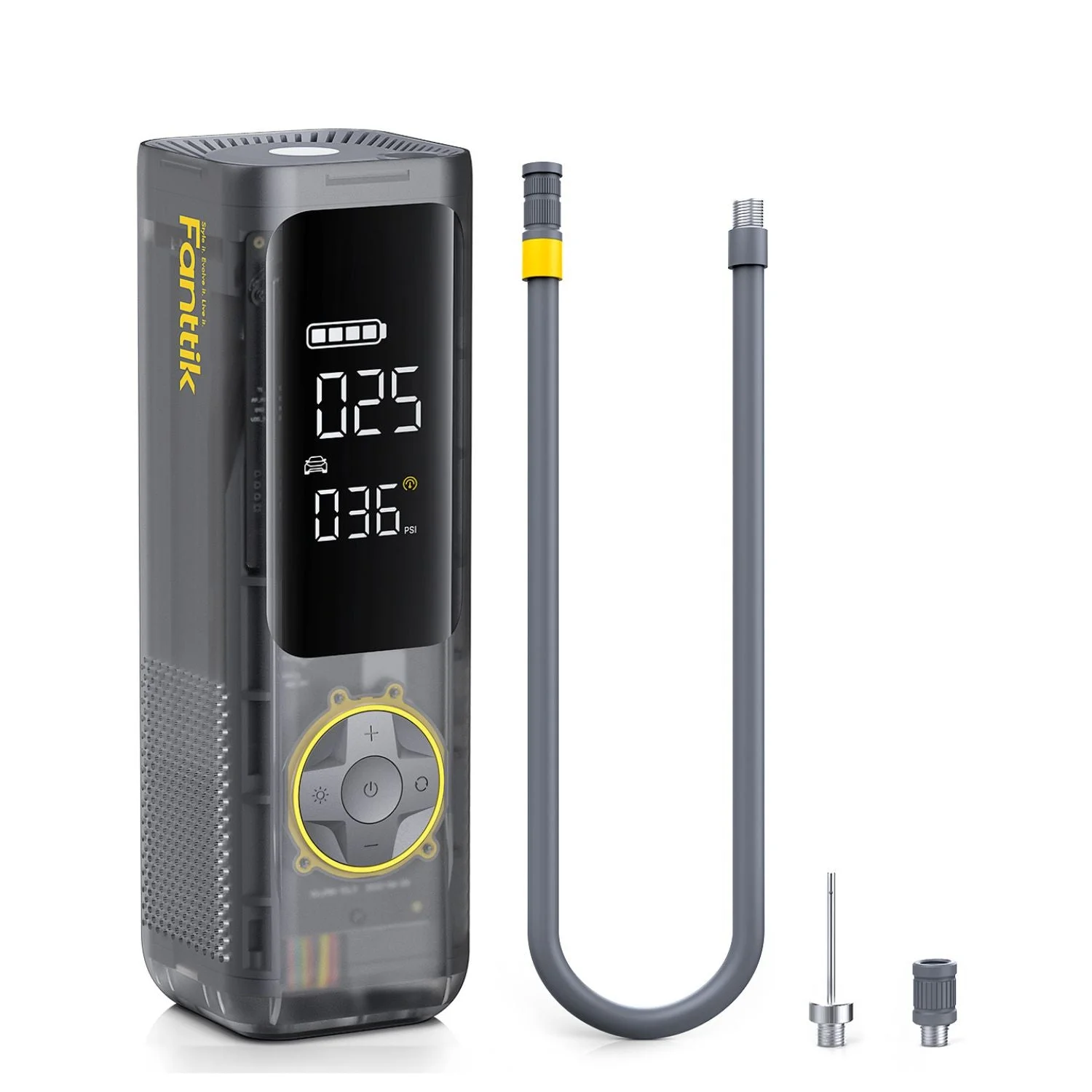

How die-cast alloy cylinder barrels prevent thermal motor seizure during high-pressure cycles.
Benchmarked fill times on a flat 180/55-17 motorcycle rear tire from 0 to 36 PSI.
Guide to chassis dimensions, brake rotor clearances, and angled chuck adapters.
Side-by-side engineering comparison across all 5 benchmarked tire inflator tools.
Written by BikesKnowledge Pneumatics & Mechanical Engineering Desk.
Pumping air into a motorcycle tire follows the ideal gas law. Compressing ambient air from 14.7 PSI to 42 PSI forces air molecules together rapidly, converting mechanical motor work directly into thermal energy. In handheld compressors, internal cylinder barrel temperatures can exceed 180°F during a single tire fill. In cheap plastic pumps, this heat deforms the piston seal, causing air delivery rates to collapse. Premium inflators prevent this failure mode by utilizing CNC-machined die-cast alloy cylinders wrapped in convective aluminum heatsinks.
"Motorcycle tires operate on very sensitive pressure windows. Just 3 PSI of under-inflation increases contact patch squirm, raises tire running temperatures by 25°F, and accelerates center tread cupping."
Standard sticky string rope plugs rely entirely on tacky chemical adhesives to block puncture holes. At highway speeds, centrifugal force and carcass flexing can work traditional string plugs loose over time. Mechanical mushroom plugs solve this through positive mechanical retention. The spring-loaded insertion tool pushes an unvulcanized rubber stem through the puncture until the mushroom head expands against the inner carcass wall. Air pressure inside the tire pushes the mushroom cap firmly against the casing, sealing the leak permanently.
Quality lithium-ion micro-compressors retain 85% of their charge over 6 months of standby storage under your motorcycle seat, though performing a quick top-up every 90 days ensures full battery readiness.
Tested models take between 90 seconds (high-output Fanttik X8 Apex) and 3.5 minutes (pocket Xiaomi Compressor 2) to fill a 180/55-17 sport tire from 0 to 36 PSI.
Compressing air creates high thermal energy. Precision pumps with die-cast alloy cylinder barrels operate safely for up to 10 minutes continuously before requiring a 5-minute cooldown.
Yes, connecting the air chuck to your valve stem immediately displays current tire pressure on the digital LED screen with +/- 1 PSI laboratory accuracy.
Auto-stop lets riders preset the exact manufacturer-recommended tire pressure. The pump halts automatically once reaching that threshold, preventing dangerous tire over-inflation.
No, rubber mushroom plugs and sticky string kits only work on tubeless tire casings. Spoked motorcycle wheels using inner tubes require patch kits or complete spare tube replacement.
Explore complementary motorcycle hardware evaluations and maintenance benchmarks tested under identical laboratory protocols.
Maintenance Ecosystem: Tire pressure maintenance directly affects braking distances, fuel efficiency, and cornering grip. Electric compressors pair with drivetrain maintenance tools like O-ring safe motorcycle chain lubes to form a complete roadside emergency kit. These compact inflators stow neatly inside motorcycle tank bags, while bikes stored beneath all-weather motorcycle covers benefit from weekly pressure checks before riding. When stopped on highway shoulders, deter opportunists with motion-sensing alarm disc locks.