5 Best Waterproof Electric Bikes for Monsoon Riding in 2026
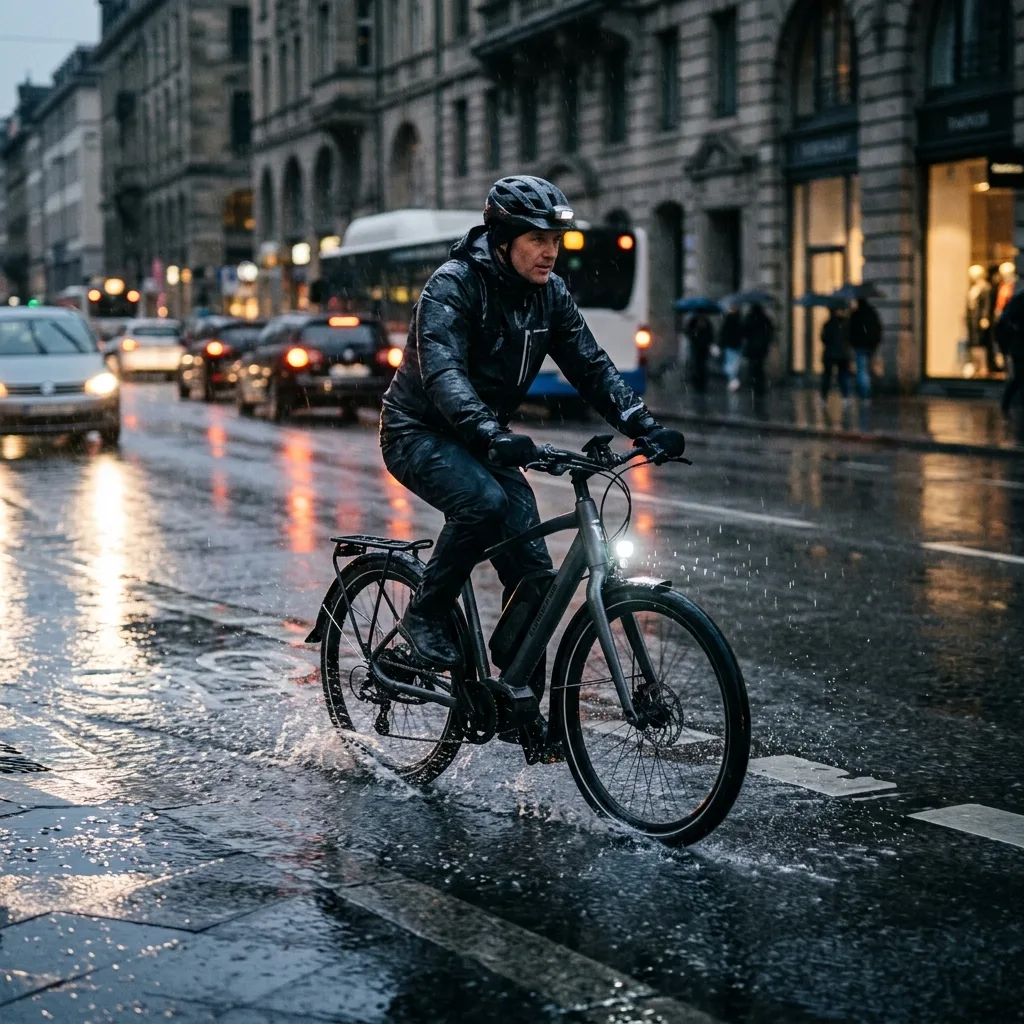
Monsoon seasons in Pakistan bring heavy rainfall, creating difficult road conditions for traditional two-wheelers.
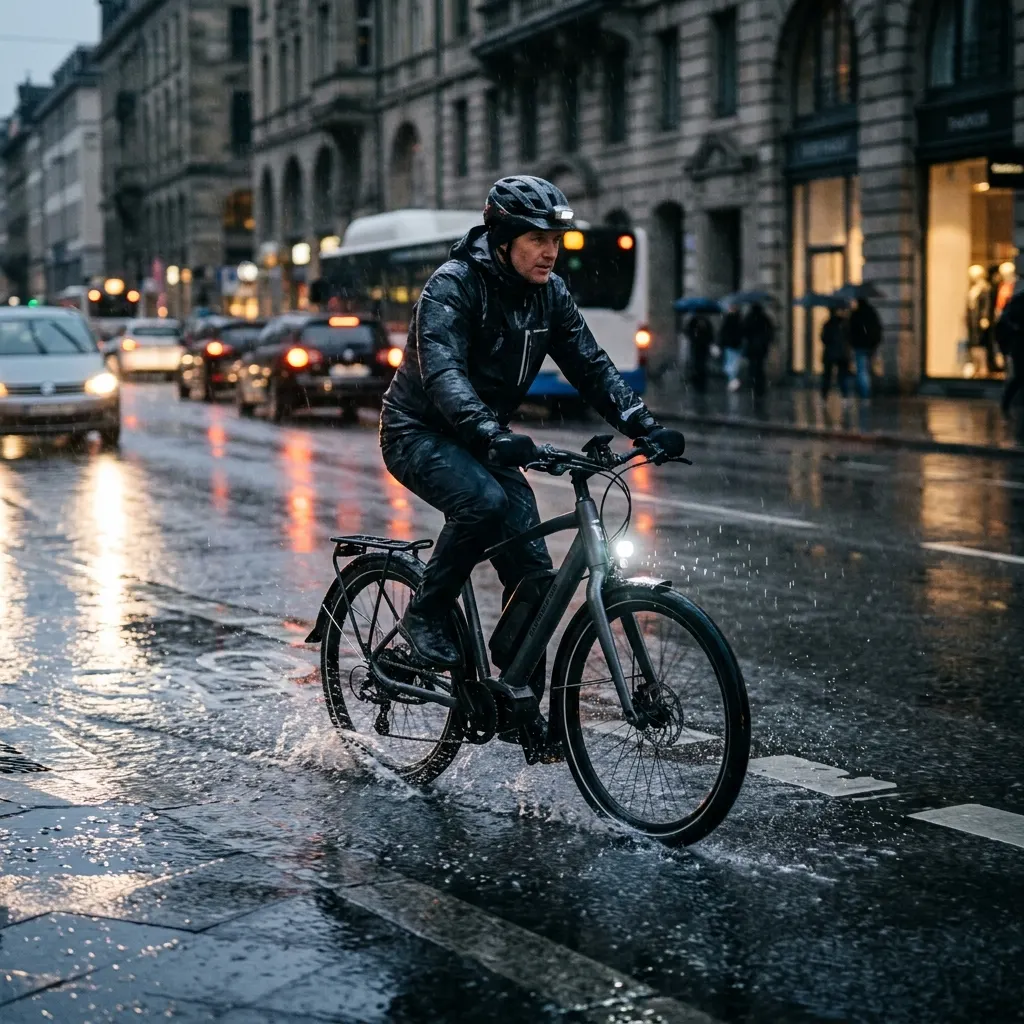
Table of contents
Monsoon Impact: Monsoon seasons in Pakistan bring heavy rainfall, creating difficult road conditions for traditional two-wheelers. Finding the best waterproof electric bikes for monsoon riding is a priority for commuters who want to avoid engine stalls and water-related mechanical failures.
Why Electric: Electric motorcycles offer a cleaner solution, as they lack complex fuel induction systems that are prone to flooding. Modern models are designed with sealed components to handle wet weather, making them ideal for urban mobility during peak rains.
Guide Overview: In this comprehensive guide, we examine five top-tier models currently available in the market. We will analyze their performance, build quality, and overall value to help you make an informed decision for your daily travel needs.
Why Electric Bikes Perform Better in the Rain
Combustion Risks: Traditional internal combustion motorcycles rely on air intake systems that can ingest water during heavy downpours, leading to hydro-lock or ignition failures. Electric bikes eliminate this concern because they do not require air intake for combustion.
Weatherproofing Standards: Most modern electric bikes feature sealed motor housings and battery compartments designed to meet IP standards for dust and water resistance. This makes them inherently more resilient when riding through shallow puddles or light water logging common in city streets.
Maintenance Advantages: The maintenance cost of these vehicles is significantly lower than petrol variants, as you eliminate frequent oil changes and exhaust system repairs. For residents in cities prone to urban flooding, the reduction in moving parts simplifies ownership during the harsh monsoon season.
Technical Factors for Monsoon Safety
Electrical Protection: When evaluating the best waterproof electric bikes for monsoon riding, check the IP rating of the controller and the motor assembly. An IP65 or higher rating ensures that rain spray and splashing water do not damage the sensitive electronics housed inside the frame.
Physical Stability: Additionally, consider the tire profile and ground clearance of your chosen motorcycle. A bike with a higher clearance and aggressive tread patterns will always provide better stability on slippery, wet asphalt compared to standard city commuters.
| Model | Battery capacity | Real-World Range | Real-World Range | Retail Price |
|---|---|---|---|---|
| Vlektra Bolt | 2.7 kWh | 80 km | 2000W | Rs. 449,000 |
| Evee C1 Pro | 1.44 kWh | 60 km | 1200W | Rs. 235,000 |
| Metro T9 | 1.2 kWh | 50 km | 800W | Rs. 185,000 |
| Jolta JE-70D | 0.9 kWh | 45 km | 500W | Rs. 150,000 |
| MS Jaguar E-70 | 1.0 kWh | 50 km | 600W | Rs. 165,000 |
Rs. 449,000 | 2.7 kWh | 80 km
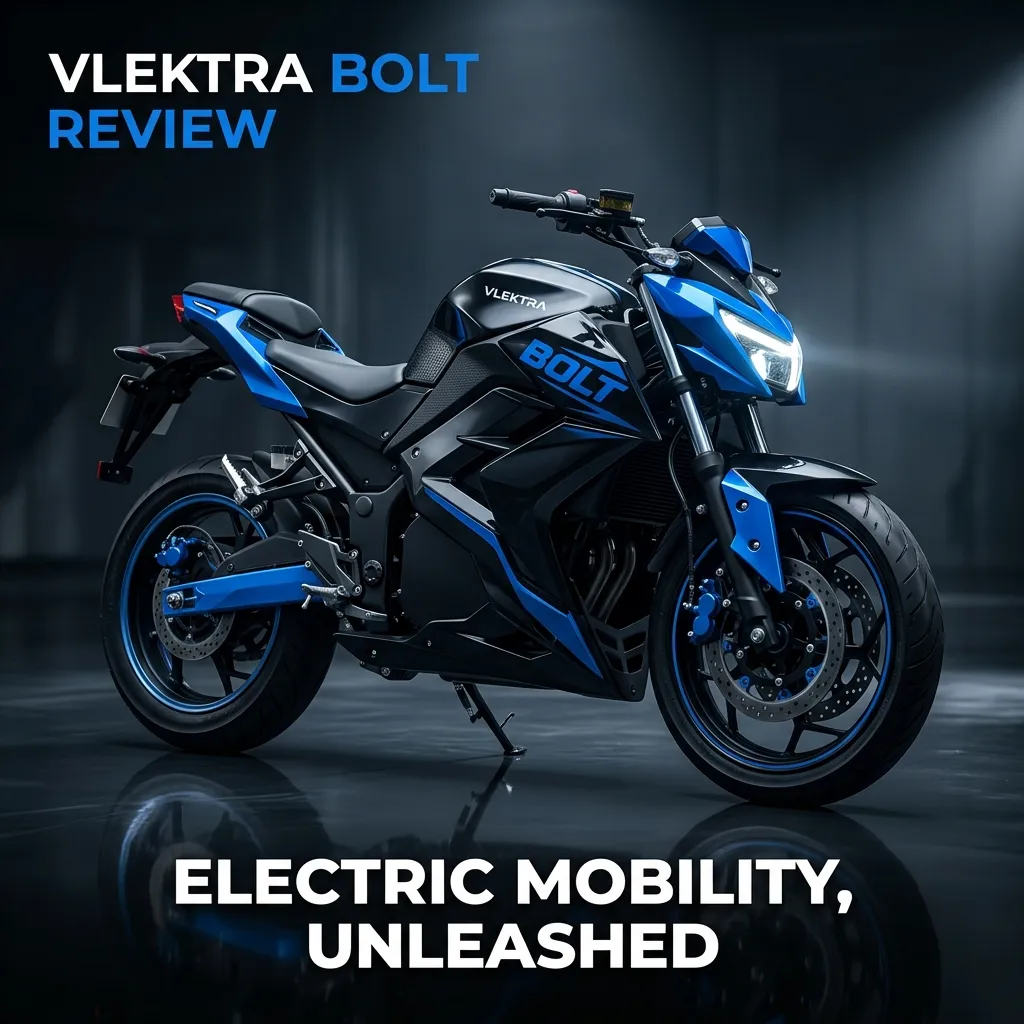
Design Quality: The Vlektra Bolt features a heavy-duty steel frame designed to absorb road vibrations while keeping the electronics well-insulated. Its aesthetic mimics a classic café racer, offering a blend of modern technology and retro appeal that performs well even on wet, uneven surfaces.
Economic Value: Equipped with a powerful lithium-ion battery, it offers impressive acceleration and a reliable real-world range. While the price is premium, the long-term running cost comparison makes it an economical choice when factoring in the zero fuel consumption and minimal maintenance requirements.
Pros
- Superior build quality
- High torque for inclines
- Excellent water resistance
- Fast charging
Cons
- High retail price
- Heavy weight
- Limited service centers
Rs. 235,000 | 1.44 kWh | 60 km
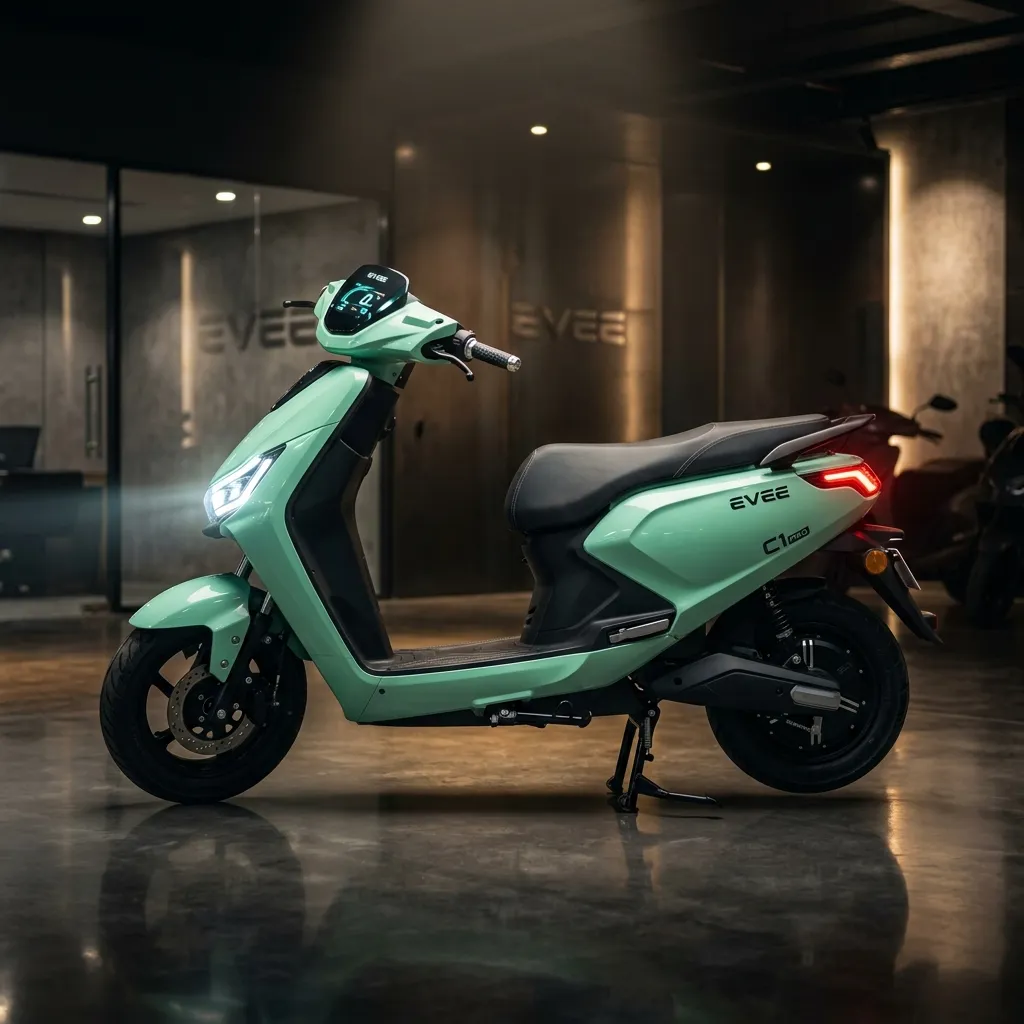
Agility: The Evee C1 Pro stands out for its sleek design and well-integrated battery pack that stays clear of deep water. Its lightweight chassis makes it highly agile when steering through water-logged city lanes during a storm.
Operational Reliability: Charging is quite efficient, and the cost per kilometer remains very low. The bike is built with splash-proof connectors that ensure the electrical system remains operational during persistent heavy rainfall.
Pros
- Modern digital console
- Easy maneuverability
- Solid warranty
- Decent cargo space
Cons
- Slower acceleration
- Average suspension
- Plastic body panels
Rs. 185,000 | 1.2 kWh | 50 km
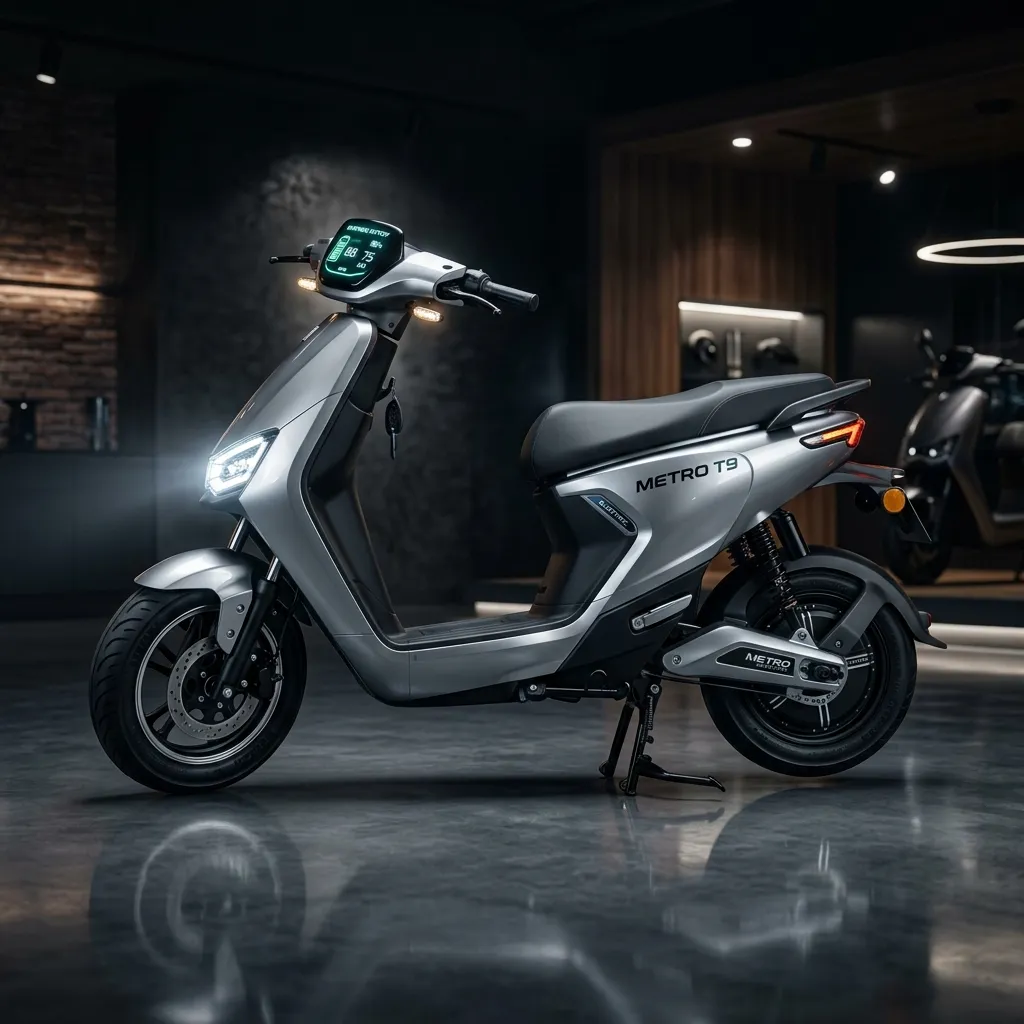
Durability: The Metro T9 is constructed to be a functional workhorse, featuring a straightforward design that is easy to repair. It includes adequate ground clearance to avoid contact with shallow surface water during monsoon showers.
Cost Efficiency: Operating costs are kept to a minimum, and the bike provides a consistent feel on damp roads. It serves as an excellent replacement for budget-tier petrol motorcycles without the recurring need for engine oil changes.
Pros
- Very affordable
- Simple maintenance
- Spare parts availability
- Light frame
Cons
- Long charging time
- Limited range
- Lead-acid battery weight
Rs. 150,000 | 0.9 kWh | 45 km
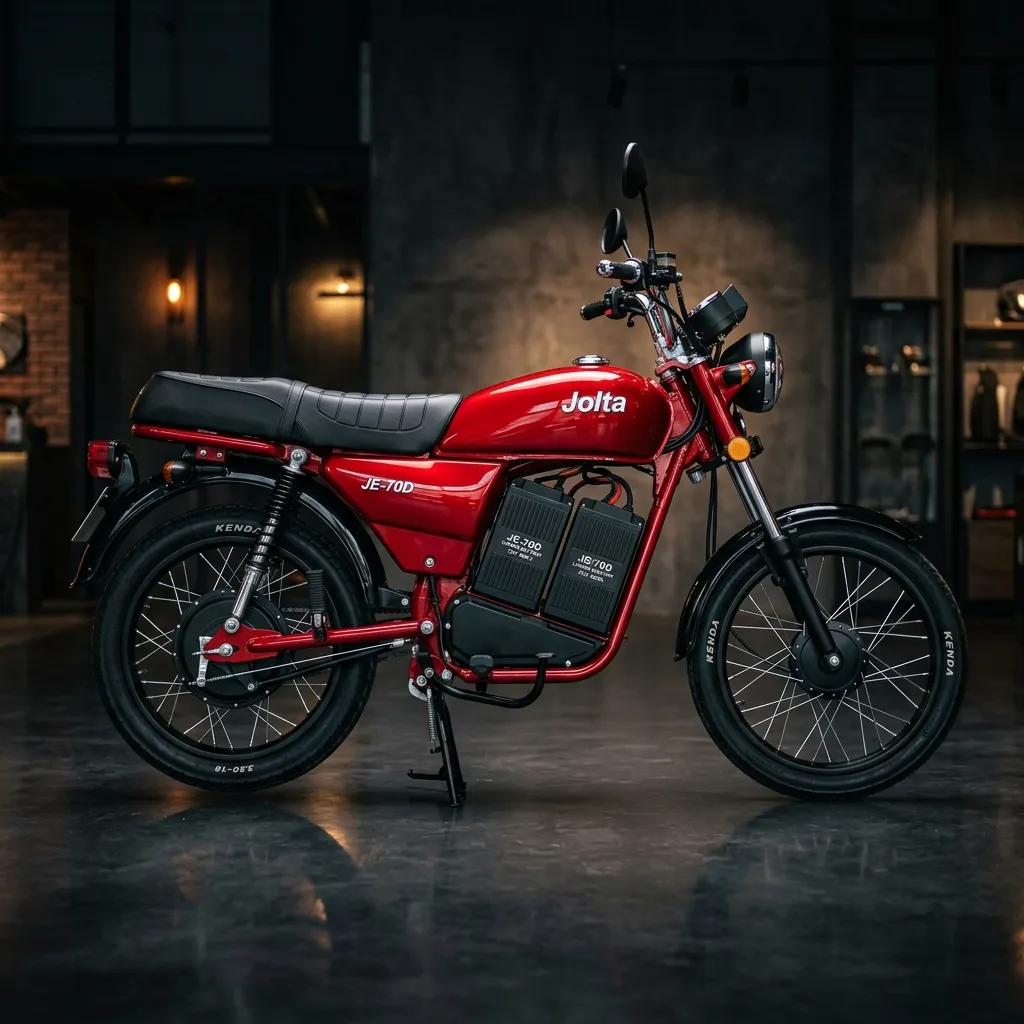
Familiarity: The Jolta JE-70D is widely recognized for its simplicity and familiarity, feeling like a traditional bike in every way. The sealed hub motor is capable of surviving rainy rides, provided the user exercises caution in deep water.
Economic Savings: Its fuel average in Pakistan terms is effectively zero, providing significant savings at the pump. While not the fastest, its ability to get you through a light drizzle makes it a staple for local city errands.
Pros
- Lowest entry price
- Familiar ride feel
- Basic design
- Good for short distances
Cons
- Low top speed
- Slow charging
- Heavy battery pack
Rs. 165,000 | 1.0 kWh | 50 km
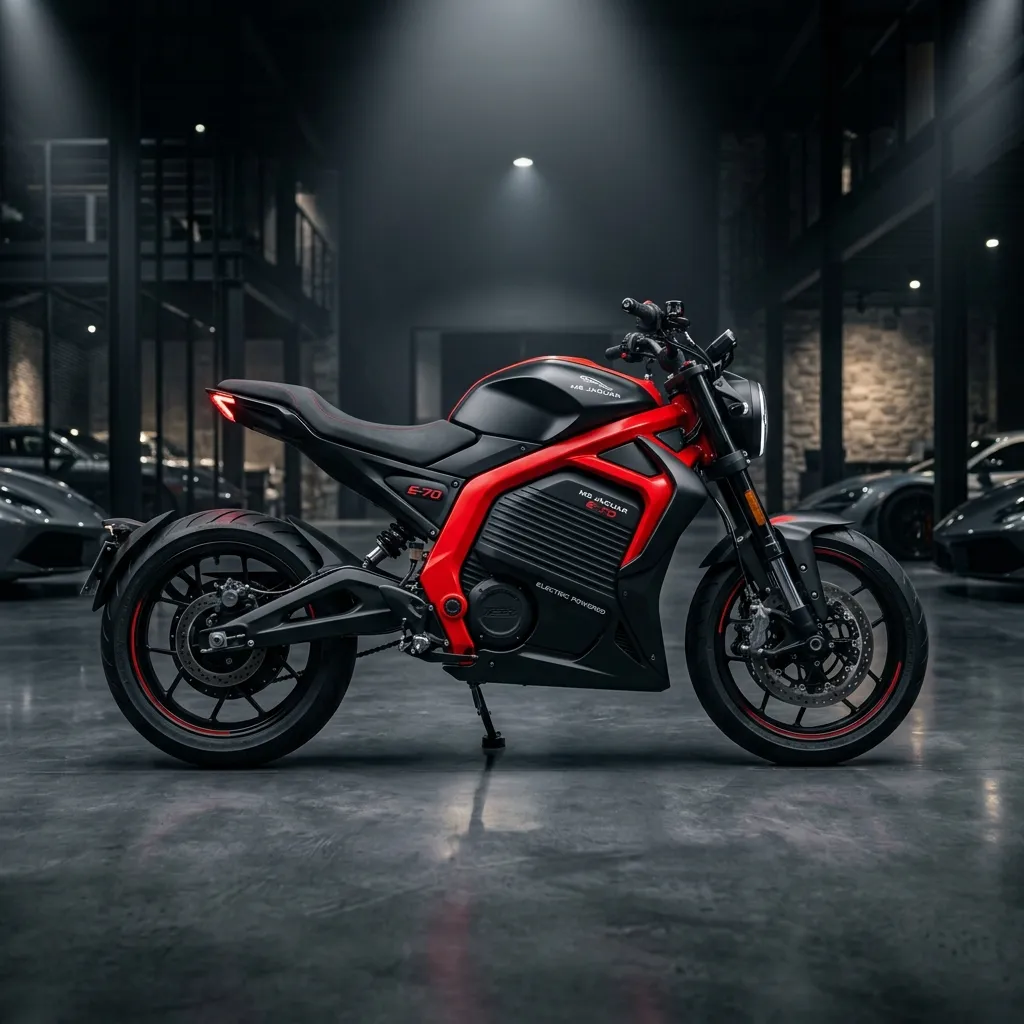
Structural Integrity: The MS Jaguar E-70 provides a steady experience, with a focus on core functionality and frame durability. It is adequately protected against road spray, ensuring that electrical shorts remain rare during monsoon season.
Utility: The battery life is sufficient for daily office commutes, and it excels in a running cost comparison against petrol bikes. Its compact size makes it perfect for zipping through traffic even when road visibility is compromised by rain.
Pros
- Budget-friendly
- Solid steel frame
- Good maneuverability
- Easy to park
Cons
- Limited top speed
- Heavy weight
- Basic interface
Frequently Asked Questions
Can I ride my electric bike through deep water during floods?
No. While these bikes are waterproof against rain and light splashes, you should never submerge the battery or motor in deep water to avoid permanent electrical damage.
What is the best way to maintain an e-bike during monsoon?
Keep the bike under a cover when parked, wipe down the frame after a ride, and ensure your charging port remains dry at all times.
Do these electric bikes have a fuel average in Pakistan?
They do not consume fuel, so their running cost is measured in electricity units consumed per charge, which is significantly cheaper than petrol.
How do I check the IP rating of my electric bike?
The IP rating is usually listed in the technical manual provided by the manufacturer. If it is not listed, assume the bike is only protected against light rain.