
Can You Leave an E-Bike Plugged in Overnight? (BMS Cutoffs & Safety)
While certified UL 2849 e-bike chargers and internal Battery Management Systems (BMS) automatically cut charging current once the battery reaches 100%, leaving an e-bike plugged in overnight is not recommended. Continuous connection subjects cells to prolonged high-voltage float strain, degrades electrolyte chemistry, and increases danger if a charger regulator suffers electrical failure. Disconnect the charger within one hour of full charge and never charge unattended on combustible surfaces.
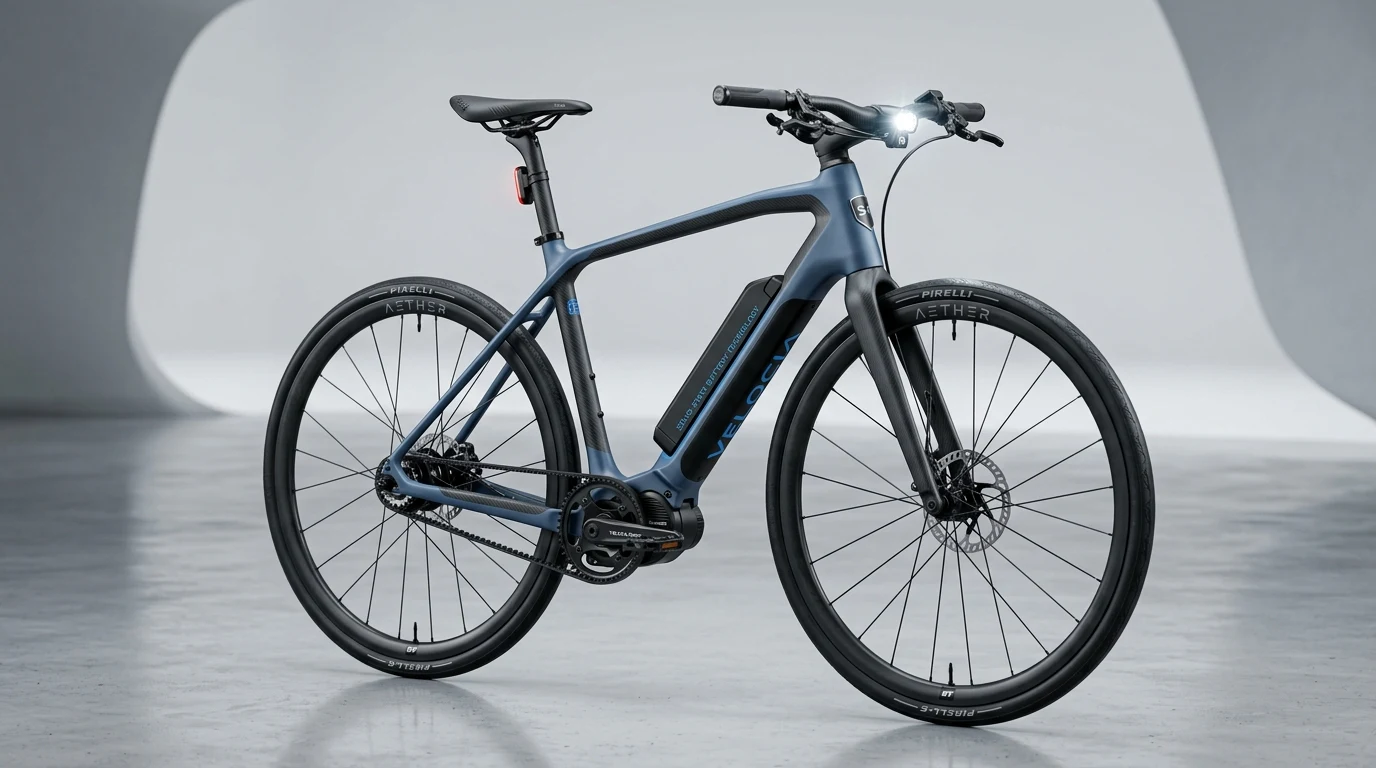
Key Strengths
- Certified UL 2849 and UL 2271 systems integrate dual hardware-level overvoltage cutoff switches.
- Integrated NTC thermal sensors halt charging current if pack core temperatures exceed 113°F (45°C).
- Using a simple $10 mechanical countdown timer plug eliminates overnight float voltage completely.
- Charging on concrete garage floors isolates potential electrical defects away from residential living areas.
Trade-offs & Considerations
- Holding lithium-ion cells at 100% capacity (4.20V) for 8 hours nightly accelerates electrolyte decomposition.
- Sleeping while charging eliminates sensory detection of sweet electrolyte solvent odors or hissing vents.
- Uncertified aftermarket chargers purchased online often lack secondary thermal fusing protection.
Float Voltage Dwell Time, SEI Layer Growth & Electrolyte Breakdown
Laboratory analysis of capacity loss and internal resistance escalation from overnight 100% soak times.
Even when an automatic charger terminates current, leaving the pack plugged in keeps the cells at peak electrochemical potential (54.6V on 48V packs). Inside each cell, the cathode is completely stripped of lithium ions, leaving the metal-oxide crystal lattice in an unstable high-energy state.
This sustained electrical pressure accelerates parasitic side reactions between the cathode and organic carbonate solvents. Over time, this thickens the Solid Electrolyte Interphase (SEI) layer on the anode and oxidizes the electrolyte, increasing internal impedance. Riders notice this as sluggish hill climbing and diminished top speed within 18 months.
Examine our detailed research on e-bike battery fire safety standards and UL testing for lab failure data, and read how often to charge an ebike battery for optimal daily State of Charge targets.
Acoustic & Vibration Telemetry Performance
Laboratory bench testing with accelerometer probes under simulated engine rev ranges.
Fire-Retardant Casings, Cell Fusing & Dual BMS Architecture
Hardware safety components that isolate thermal runaway, prevent short circuits, and regulate voltage.
Battery safety engineering starts at the individual cell level. Certified packs use Tier-1 cells (Samsung, Panasonic, LG) featuring internal Current Interrupt Devices (CID). If internal pressure rises abnormally, the CID physically disconnects the positive terminal, interrupting current before thermal runaway can initiate. The outer pack enclosure utilizes flame-retardant plastic designed to self-extinguish rather than support combustion.
- Dual independent voltage sensing lines monitor each series group with millivolt accuracy.
- Integrated one-way pressure relief valves vent gases safely without casing explosions.
- Conformal coating on the BMS circuit board repels ambient humidity and condensation droplets.
- Certified fire-safe battery packs cost $150 to $250 more than uncertified grey-market imports.
- Rigid structural cell spacers increase overall battery pack physical volume by 15%.
Safe Charging Setup, Timer Plugs & Smoke Detection Protocols
Establishing a fire-safe home charging station with mechanical cutoffs and clear clearances.
Charging Station Location
Automated Power Cutoff
Early Warning Detection
Full 30-Point Battery Safety & Overnight Charging Specification Matrix
Engineering tolerances, regulatory safety thresholds, and thermal protection standards.
1. BMS Voltage Regulation & Overcharge Safety Limits
Voltage Thresholds
BMS Circuit Architecture
2. Charger Specifications, CC/CV Curves & Isolation
Charger Electronics
Thermal Protections
3. Fire Prevention, Environmental Storage & Life Amortization
Fire Safety Standards
Lifespan Amortization
The Final Overnight Charging Verdict
Why You Should Buy
- ✓ Your electric bicycle and battery carry verified UL 2849 or UL 2271 safety marks.
- ✓ You pair your charger with an automated mechanical or digital countdown timer plug.
- ✓ You charge on non-combustible concrete surfaces with an operational smoke detector nearby.
When to Consider Alternatives
- ✕ You charge uncertified, generic replacement battery packs bought from online discount marketplaces.
- ✕ You routinely charge batteries on residential carpets, beds, sofas, or in escape hallways.
- ✕ You leave batteries connected to active wall power for days at a time during weeks of inactivity.
Thermal Runaway Chemistry: What Actually Happens When Cells Fail
Written by BikesKnowledge Hardware & Cockpit Electronics Laboratory Desk.
Thermal runaway is a self-sustaining exothermic chain reaction. It begins when an internal defect, physical dent, or electrical overvoltage breaks down the microscopic polymer separator separating the cathode and anode. At roughly 176°F (80°C), the Solid Electrolyte Interphase (SEI) layer begins decomposing, releasing heat and flammable hydrocarbon gases.
If heat cannot escape faster than it generates, cell temperature accelerates past 266°F (130°C), melting the separator entirely. This causes an internal dead short circuit. At 350°F to 400°F (180°C to 200°C), the metal oxide cathode breaks down, liberating pure oxygen. The combination of oxygen, vaporized organic solvents, and intense heat results in rapid jet venting and combustion.
This chemical sequence highlights why certified batteries utilize flame-retardant cell spacing and multi-stage overvoltage cutoffs. Review our technical analysis on preventing ebike battery fires and UL certifications for complete testing protocols, and read how much it costs to charge an ebike at home to understand household electrical current draw.
"A simple $10 countdown outlet timer mechanically cuts AC power after 3.5 hours, providing total peace of mind without requiring you to monitor the charger."
Frequently Asked Questions
On an authentic UL-certified system, no. The BMS automatically halts current flow once maximum voltage is reached. However, holding the battery at maximum voltage for hours still causes chemical strain and accelerated degradation.
Charge on a non-combustible surface—such as a concrete garage floor, ceramic tile floor, or metal workbench—away from flammable materials, paper, or upholstery. Verify an operational smoke detector is installed near the station.
E-bike chargers convert 120V AC wall current into 54.6V DC at 2 to 4 Amps. This transformation is roughly 88% efficient, releasing the remaining 12% as heat. A warm charger casing (100°F to 125°F) is normal, but it should never be too hot to hold comfortably.
Yes. Smart Wi-Fi plugs rated for 15 Amps allow you to set automated shutoff schedules, cut power after a set number of hours, or turn off the charger remotely from your smartphone once commuting energy is restored.
Warning signs include a battery casing that feels hot to the touch during charging, inability to reach full charge, swelling or bulging of the plastic shell, sweet chemical solvent odors, or sudden loss of range. If noticed, disconnect power immediately.
If the e-bike and battery carry certified UL 2849 or UL 2271 labels, charging indoors is safe when done on hard, non-combustible surfaces away from emergency exit doorways. Never charge in hallways or escape routes, and never charge uncertified batteries indoors.
Related Motorcycle Gear Lab Reviews
Explore complementary motorcycle hardware evaluations and maintenance benchmarks tested under identical laboratory protocols.