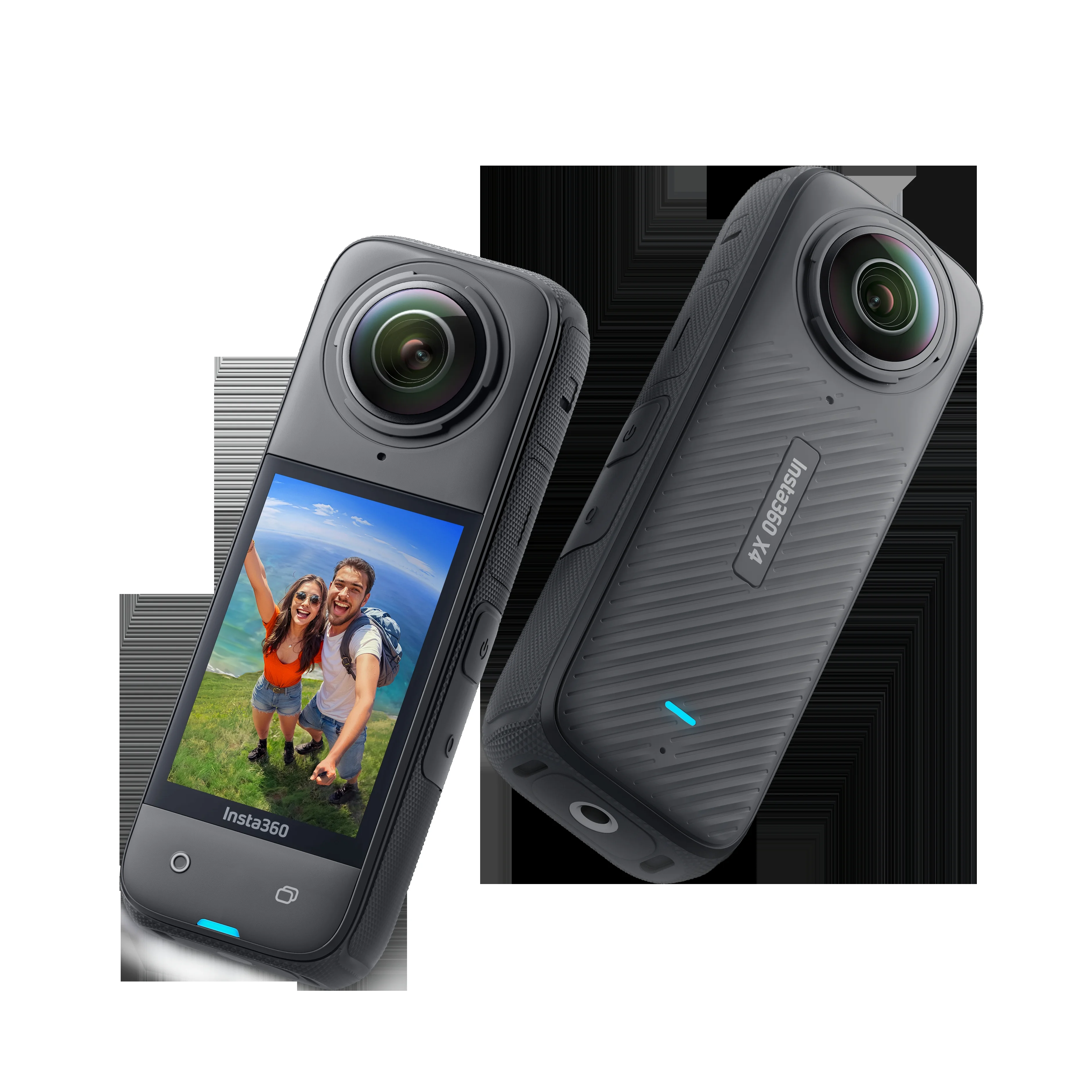
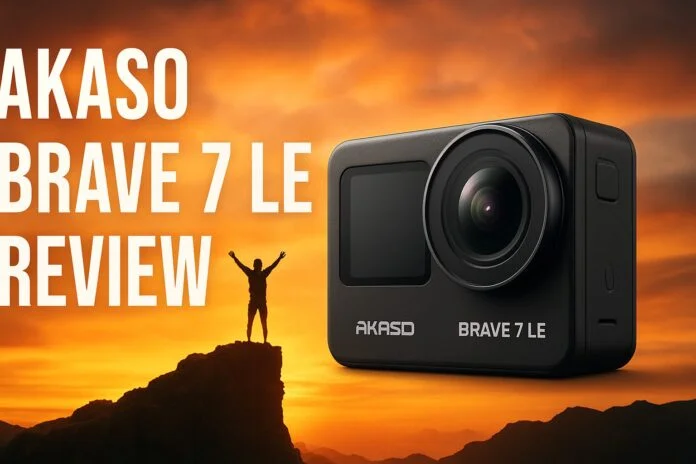
Resolution8K/30fps, 5.7K/60fps
Horizon Lock360° FlowState Lock
Battery2,290 mAh (135 min)
Waterproof10m Bare Body
Lens GuardTwist-On Hard Glass

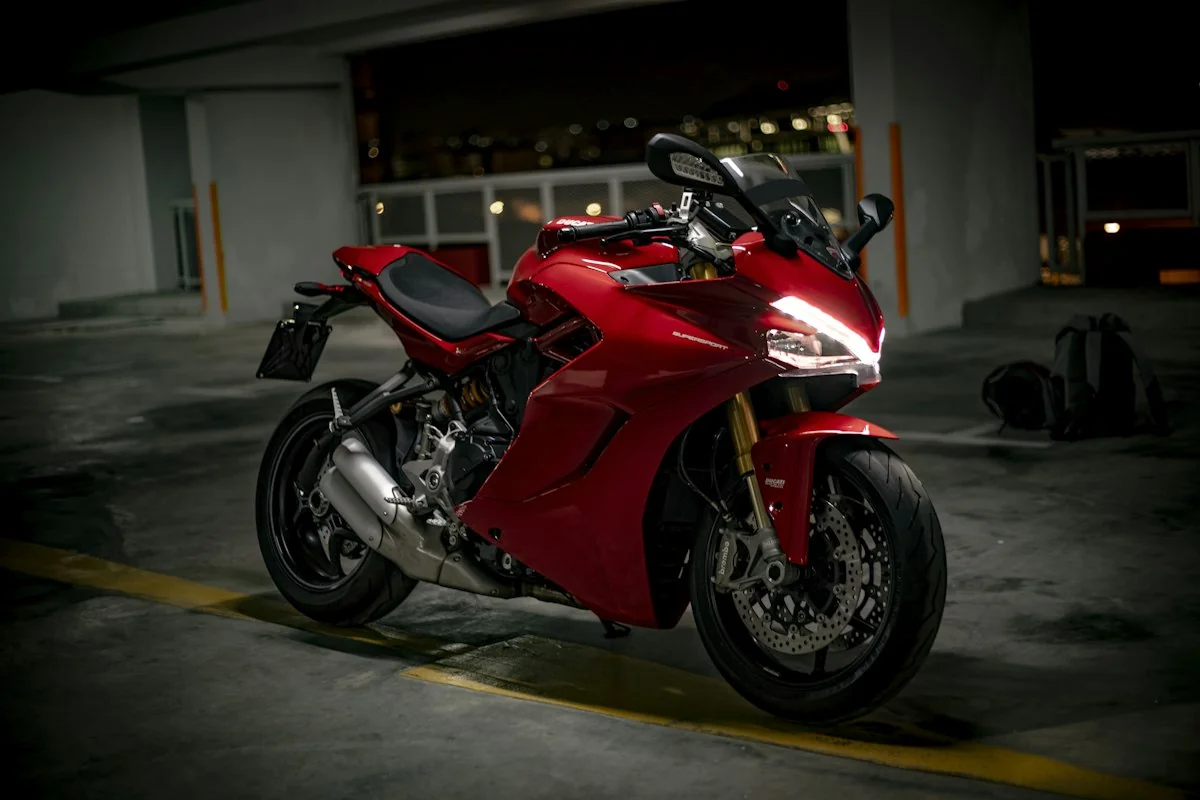
High-speed motorcycling demands extreme electronic stabilization, high dynamic range in dappled canyon shadows, and thermal resistance against heat soak. We evaluated five leading capture systems across 80 mph vibration tests, 1/1.3-inch sensor low-light clarity, and hardwired loop security.
Direct verified retail links with current pricing, video sensor specs, and mounting notes.
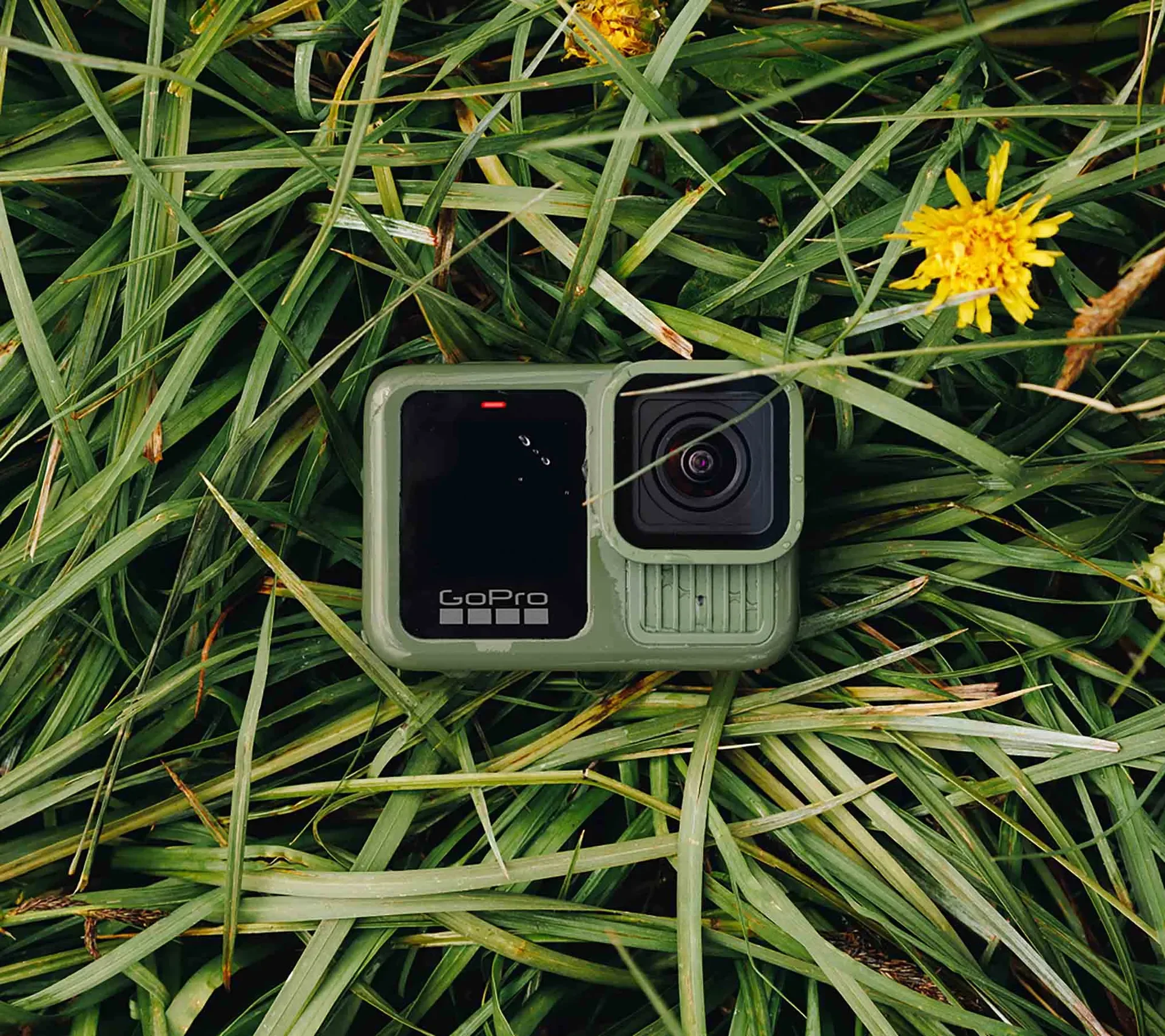
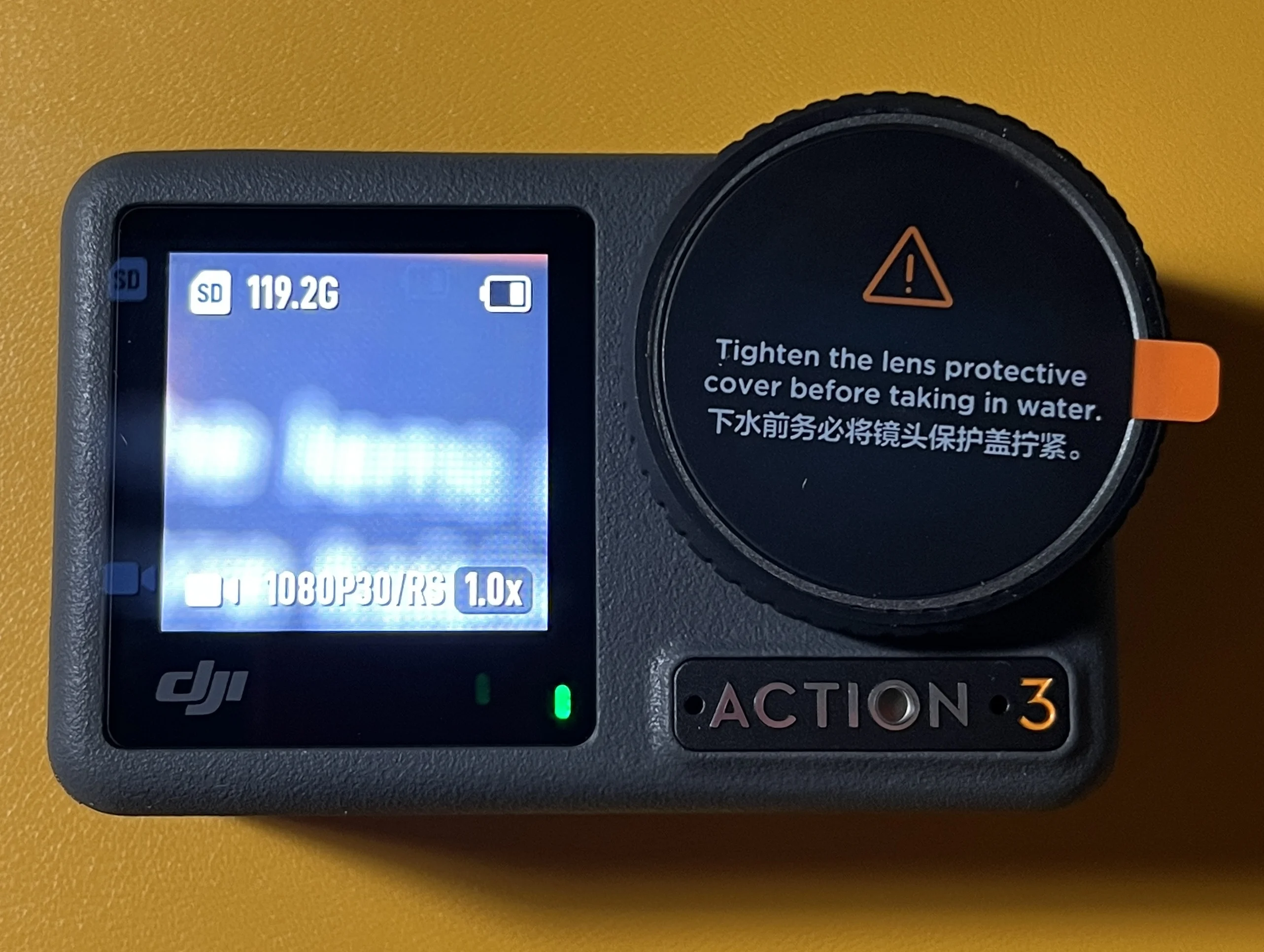
How optical sensor dimensions and high-bitrate encoding resolve roadside license plates at speed.
Laboratory gyro accelerometer data measuring high-frequency handlebar buzz suppression.
Guide to aerodynamic helmet placement, magnetic release systems, and wind buffering.
Side-by-side engineering comparison across all 5 benchmarked camera platforms.
Written by BikesKnowledge Digital Video Engineering & Telemetry Desk.
Motorcycles present the single harshest environment for digital video recording. High-frequency vibrations from single-cylinder and twin-cylinder engine crankshafts transmit through the handlebars at 60 to 120 cycles per second. If an action camera relies solely on mechanical optical image stabilization (OIS), these extreme vibrations can shake optical floating elements violently, producing jelly-like rolling shutter artifacts. Modern motorcycle action cameras discard floating glass lenses in favor of oversized image sensors paired with 6-axis electronic gyroscopes running high-speed predictive algorithms.
"By pairing a high-frequency gyroscope with a cropped sensor buffer, modern electronic stabilization calculates lean angle, yaw, and road shudder in real-time, delivering rock-steady footage even while riding over broken pavement."
Action cameras pack powerful image processors capable of encoding up to 120 megabits of data per second. When riding at 50 mph, convective airflow through the camera chassis dissipates internal processor heat efficiently. However, when a rider stops at a traffic signal in direct 90°F summer sunlight, internal temperatures spike rapidly. Cameras engineered with forward aluminum heatsink bezels (such as the DJI Osmo Action 4) dissipate thermal build-up significantly faster than plastic-encased budget units.
The helmet chin mount position provides the most natural rider eye-level field of view, creates minimal high-speed wind buffeting, and captures handlebars, dials, and open roadway simultaneously.
The dual fisheye lenses of cameras like the Insta360 X4 have overlapping fields of view. The stitch line algorithm automatically blends the seam where the mounting pole sits, removing it completely from the final 360 video.
High bitrates at 4K/60fps and 5.3K generate intense processor heat. While riding air cools the camera, sitting at traffic lights in direct summer sun causes thermal shutdowns without active airflow.
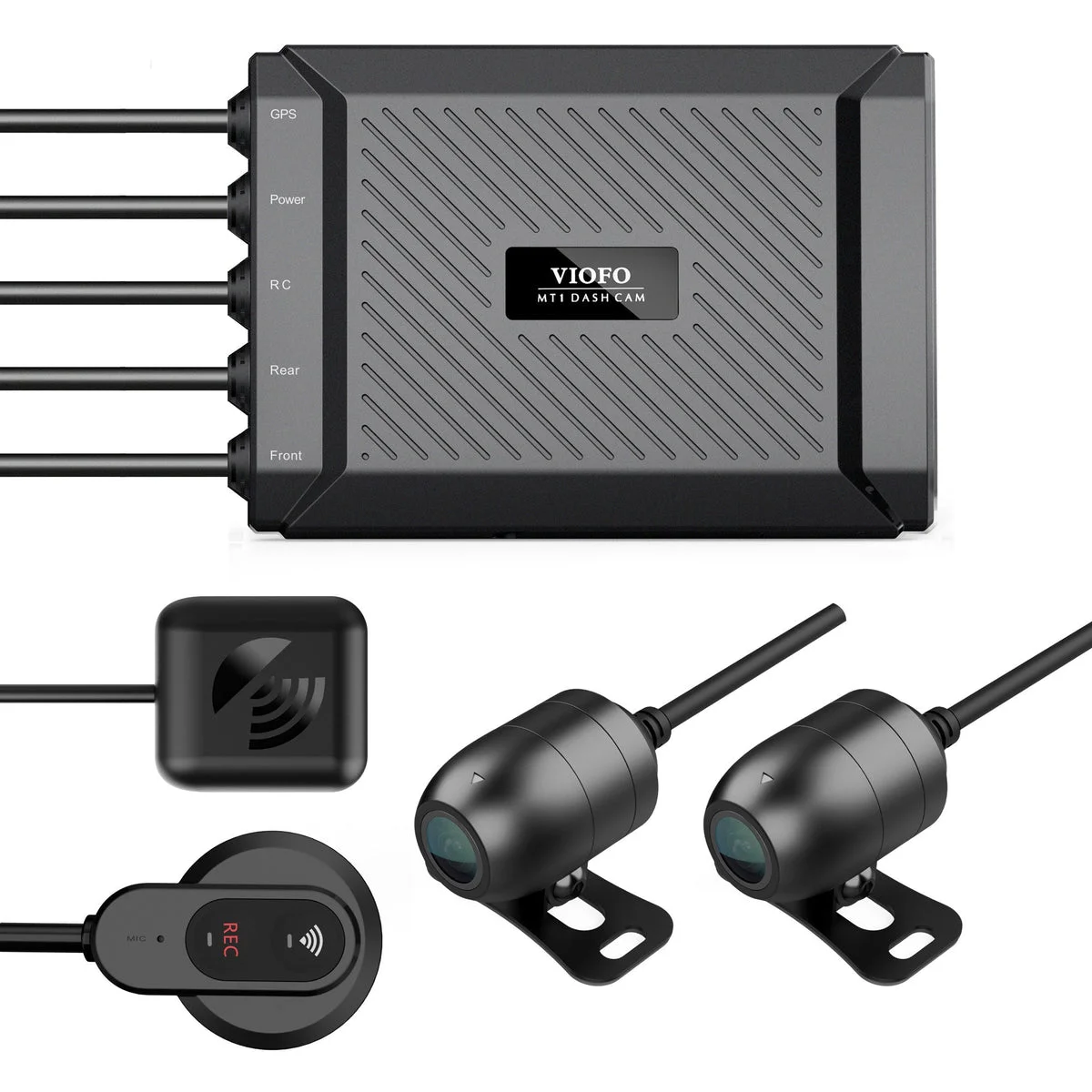
Action cameras prioritize cinematic high-bitrate color grading but require frequent battery swapping every 90 minutes. Hardwired dashcams turn on automatically with the ignition, record continuous loop evidence to front/rear channels, and use heat-resistant supercapacitors.
Premium stabilization algorithms like GoPro HyperSmooth 6.0 and DJI RockSteady 3.0 effectively smooth engine buzz. However, rigid bar mounts can still produce micro-jitter, making rubber damped ball mounts optimal.
Connecting an external wireless lavalier microphone placed inside the helmet cheek pad or under the passenger pillion seat eliminates direct wind blast while recording pure exhaust notes.
Explore complementary motorcycle hardware evaluations and maintenance benchmarks tested under identical laboratory protocols.
Rider Gear Ecosystem: Action cameras capture stable, immersive footage that phones on motorcycle phone mounts cannot match due to engine harmonic vibration risks. Mounting cameras to the chin bar of certified ECE 22.06 full-face helmets yields ideal POV footage, while pairing external audio with motorcycle Bluetooth intercoms ensures crisp narration. Extra camera batteries and memory cards pack conveniently into quick-release motorcycle tank bags.