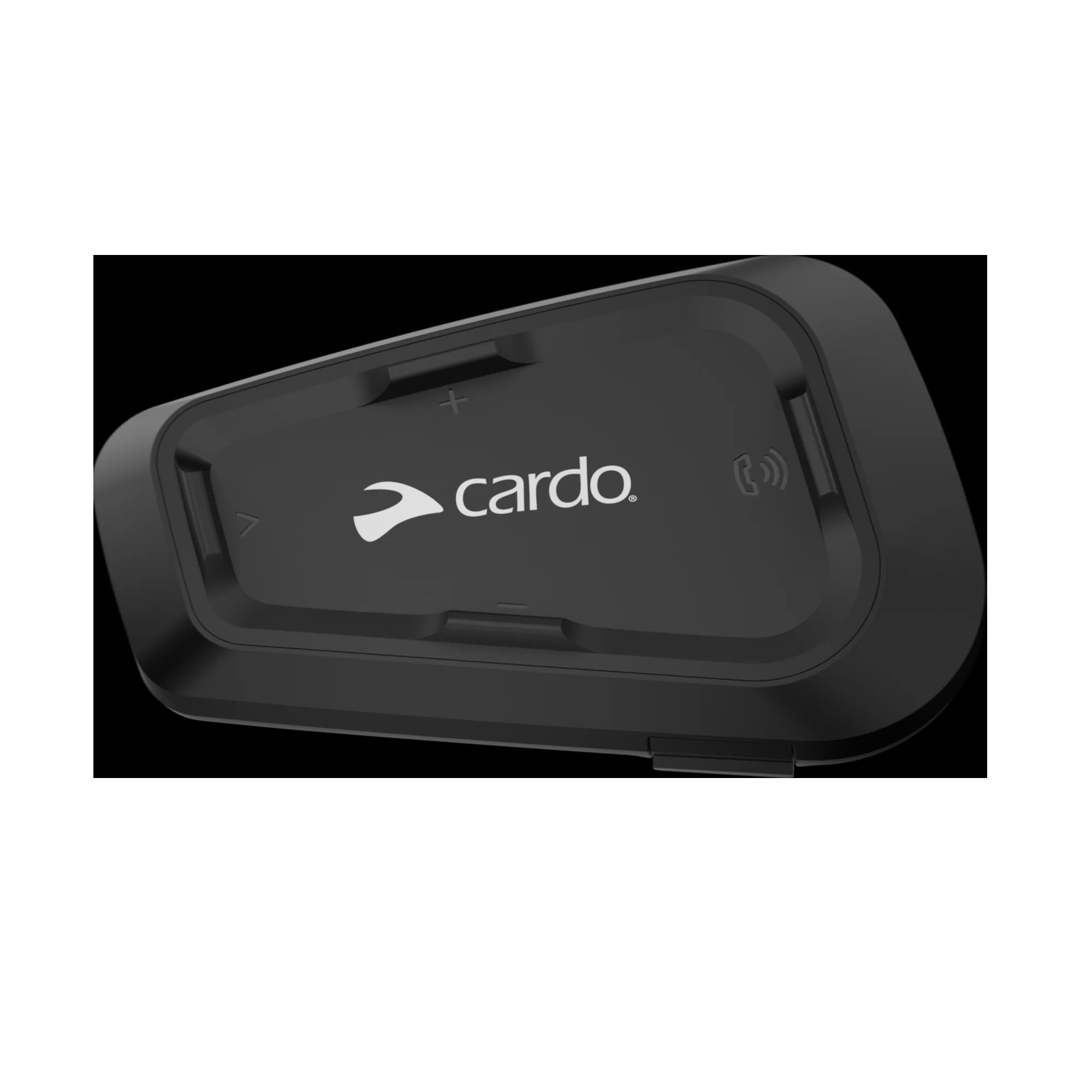
Speakers40mm HD High-Output
Intercom Range600m (2 Riders)
WaterproofIP67 Submersible
FirmwareOver-The-Air Wireless
ChargingFast USB-C

Sub-$150 helmet communicators now feature Bluetooth 5.2 chipsets, 40mm HD audio drivers, and dynamic mesh group pairing. We evaluated five top budget systems across 75 mph wind noise intelligibility, real-world line-of-sight range, glove tactile responsiveness, and IP67 water submersion.
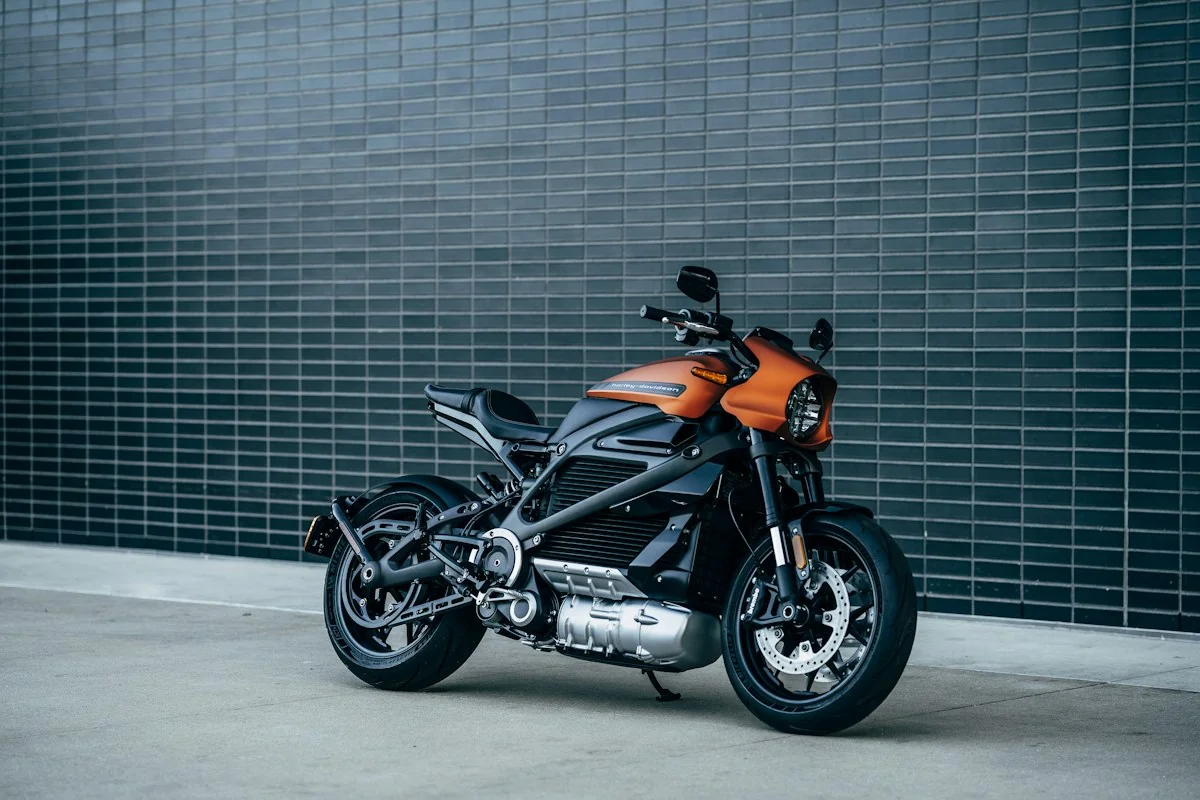
Direct verified retail links with current pricing, acoustic specs, and group pairing notes.
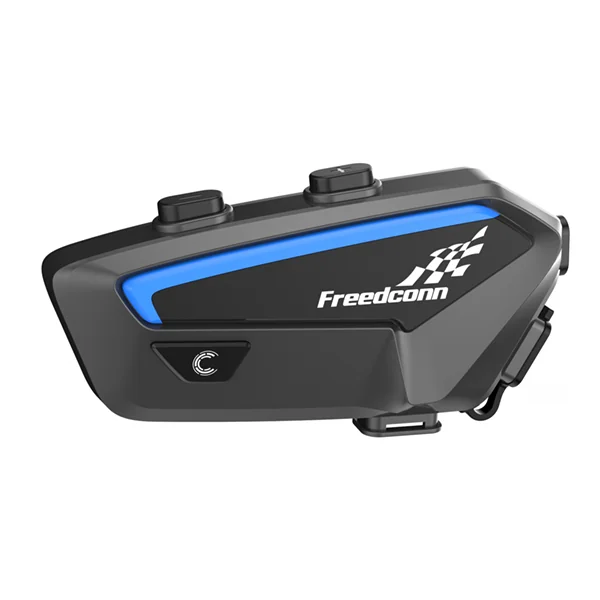
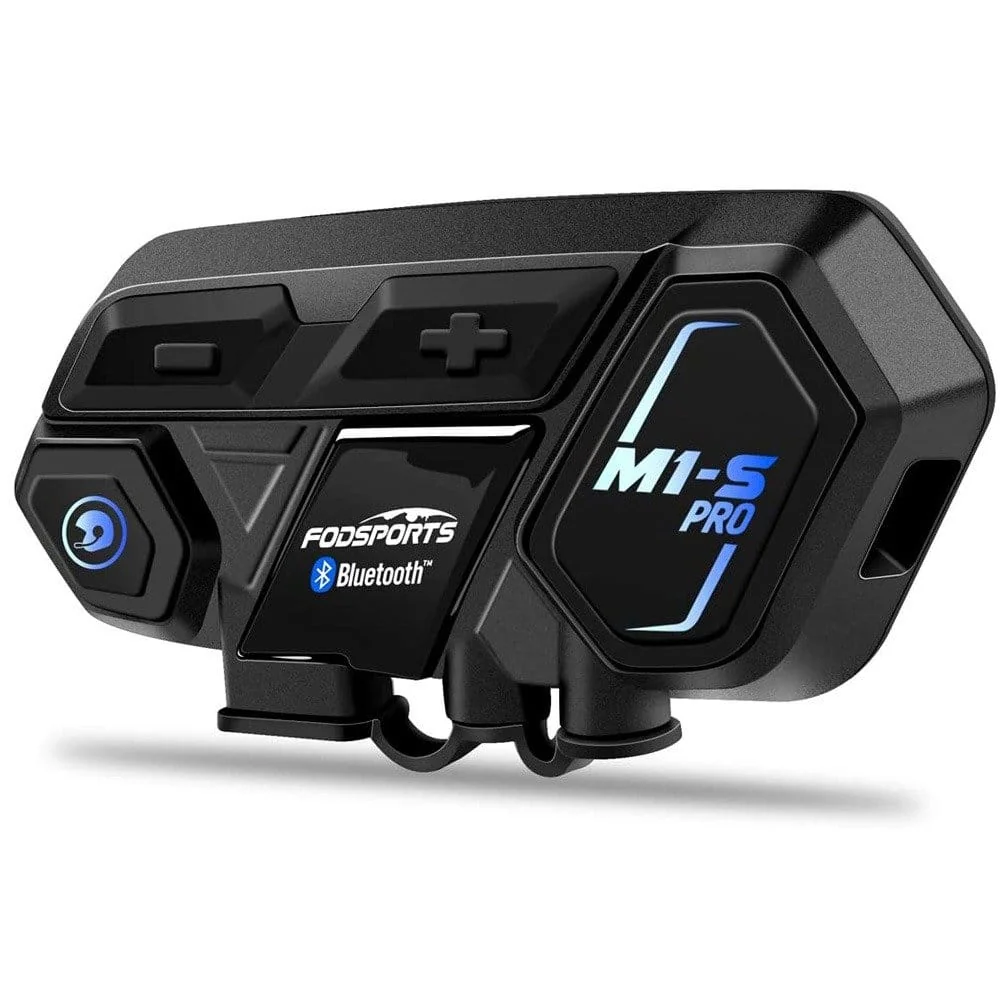
How digital signal processing algorithms and 40mm speaker diaphragms cut helmet wind turbulence.
Tested distance benchmarks across open highways, wooded twisties, and urban canyon obstacles.
Guide to helmet EPS ear recess depth, microphone boom positioning, and winter glove controls.
Side-by-side engineering comparison across all 5 benchmarked Bluetooth communicators.
Written by BikesKnowledge Acoustic Engineering & Audio Telemetry Desk.
At 70 mph, ambient cockpit noise inside a motorcycle helmet reaches 95 to 105 decibels, dominated by low-frequency air turbulence around the chin bar and visor gasket. Standard smartphone earbuds fail completely under these acoustic conditions because wind pressure overwhelms small diaphragm drivers. Modern helmet communicators solve this through two critical engineering advances: large-diameter 40mm high-flux speaker pucks capable of 115 dB output without distortion, and directional boom microphones running digital signal processing (DSP) noise subtraction algorithms.
"The distance between the speaker driver and the rider ear canal determines acoustic intelligibility. A 5mm gap reduces perceived volume by nearly 50%. Always use the included foam spacer pads to position speakers flush against the ear."
Traditional Bluetooth intercoms operate on a linear bridge topology: Rider A connects to Rider B, who connects to Rider C. If Rider B drops out of range or stops for fuel, the bridge fractures, cutting Rider A off from Rider C. Dynamic Mesh networking replaces linear links with a self-healing multi-node web. Every intercom communicates with all surrounding units simultaneously. When one rider falls behind, the network reroutes audio paths within milliseconds without audible interruption.
Yes, units equipped with 40mm high-output speaker drivers and digital signal processing (DSP) noise filters provide clear speech intelligibility up to 75 mph when positioned flush with the rider ear canal.
Bluetooth links form a linear chain where one disconnected rider breaks communication for everyone down the line. Mesh creates a self-healing web network where riders leave and rejoin automatically without interrupting group audio.
Yes, universal Bluetooth intercom pairing allows cross-brand connections, although communication is limited to 1-to-1 rider links rather than multi-rider proprietary mesh networks.
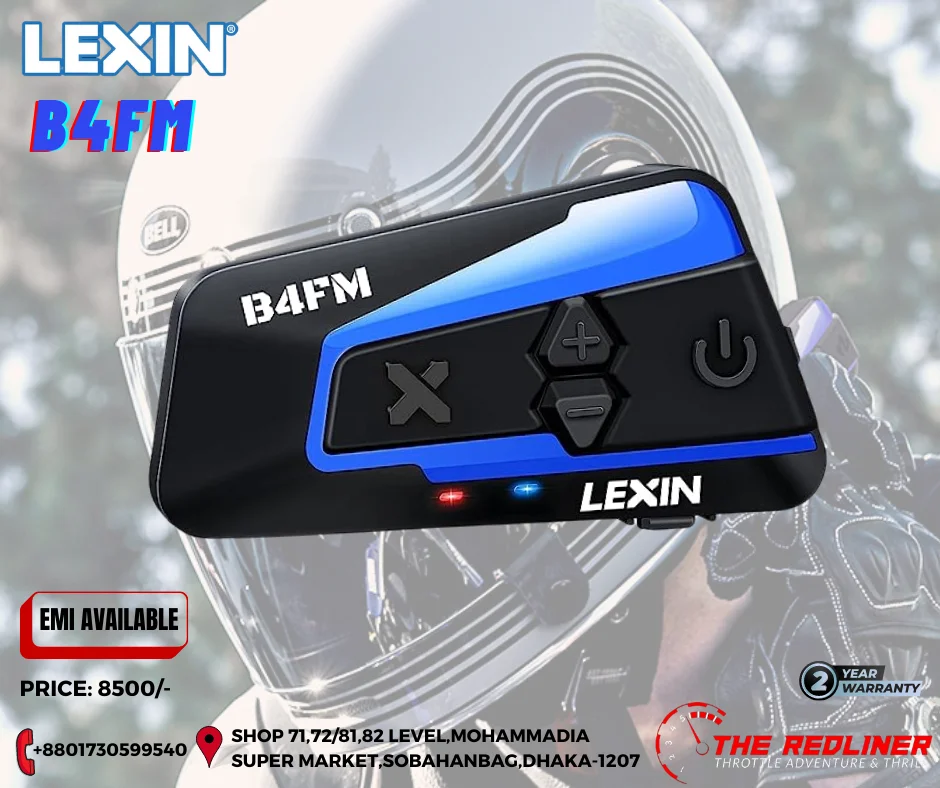
Top budget units like the Cardo Spirit HD and Lexin B4FM feature verified IP67 waterproof certification, withstanding prolonged downpours and road spray without internal circuit damage.
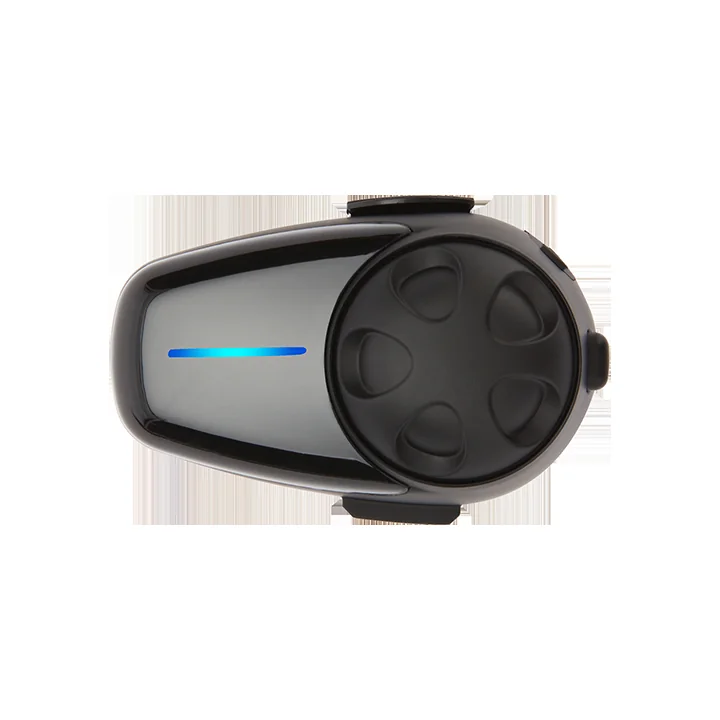
Intercoms with large physical jog dials (such as the Sena SMH10) provide far superior tactile feedback when wearing thick gloves compared to small flush membrane buttons.
Tested units average 12 to 20 hours of active intercom talk time, allowing multiple full riding days between USB-C charges.
Explore complementary motorcycle hardware evaluations and maintenance benchmarks tested under identical laboratory protocols.
Rider Gear Ecosystem: Modern helmet communicators pair wirelessly with your phone running navigation on handlebar motorcycle phone mounts. Speaker drivers install cleanly inside pre-cut pockets of certified ECE 22.06 motorcycle helmets, while external jog dials remain easy to operate with tactile motorcycle riding gloves. Intercom audio can also route directly into motorcycle action cameras for motovlog voice recording.