Class 1 vs Class 3 E-Bike: US Bike Path Rules & Differences 2026
Understanding the differences between a Class 1 vs Class 3 E-Bike: US Bike Path Rules & Differences is vital for any cyclist planning to ride on public infrastructure.
Table of contents
Class 1 E-Bike vs Class 3 E-Bike comparison dashboard
Overview: Understanding the differences between a Class 1 vs Class 3 E-Bike: US Bike Path Rules & Differences is vital for any cyclist planning to ride on public infrastructure. These two categories determine where you can ride legally, how fast your motor assists, and the specific regulations governing your daily commute. By evaluating these distinctions, riders can make informed decisions based on their local city ordinances and personal transportation needs.
Battery & Power Dynamics
Performance & Incline Capabilities
Real-World Cost & Reliability
Independent Technical Comparison
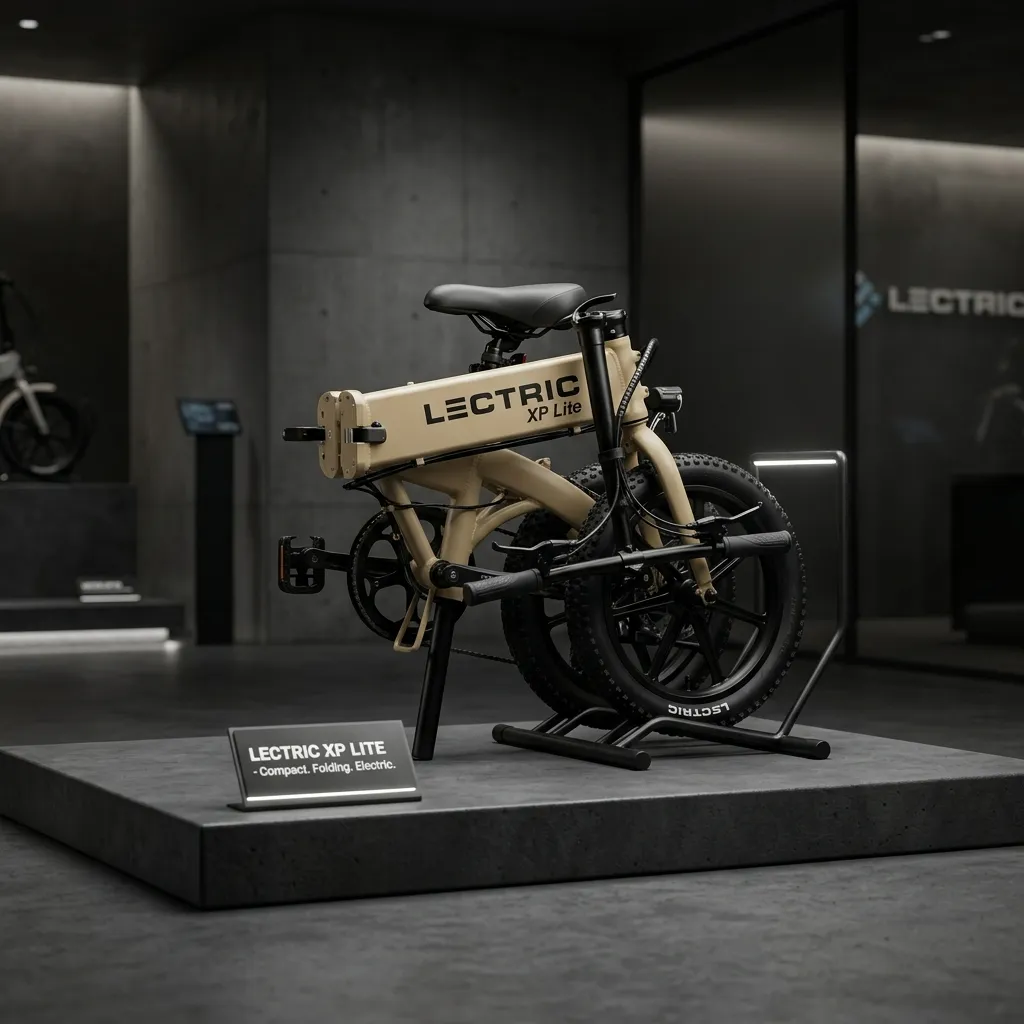
Lectric XP Lite
Performance and Incline Capabilities Shootout
Power Fundamentals: When evaluating the power of an e-bike, torque is the metric that matters most for riders facing steep grades. A Class 1 e-bike relies on a 250-watt motor that provides modest help on inclines, ideal for casual riders. Conversely, a Class 3 e-bike utilizes higher wattage motors that produce superior torque.
Commuter Utility: This makes the Class 3 the better choice for those living in mountainous regions where a 28 mph assist speed helps maintain momentum on long uphill stretches. While Class 1 bikes focus on energy conservation and extended real-world range, Class 3 units prioritize raw power. The higher assist ceiling on a Class 3 model reduces the effort required to keep pace with traffic on arterial roads.
System Health: Battery pack life also varies, as Class 3 systems often draw more power, which can lead to faster degradation if the rider does not manage battery health properly.
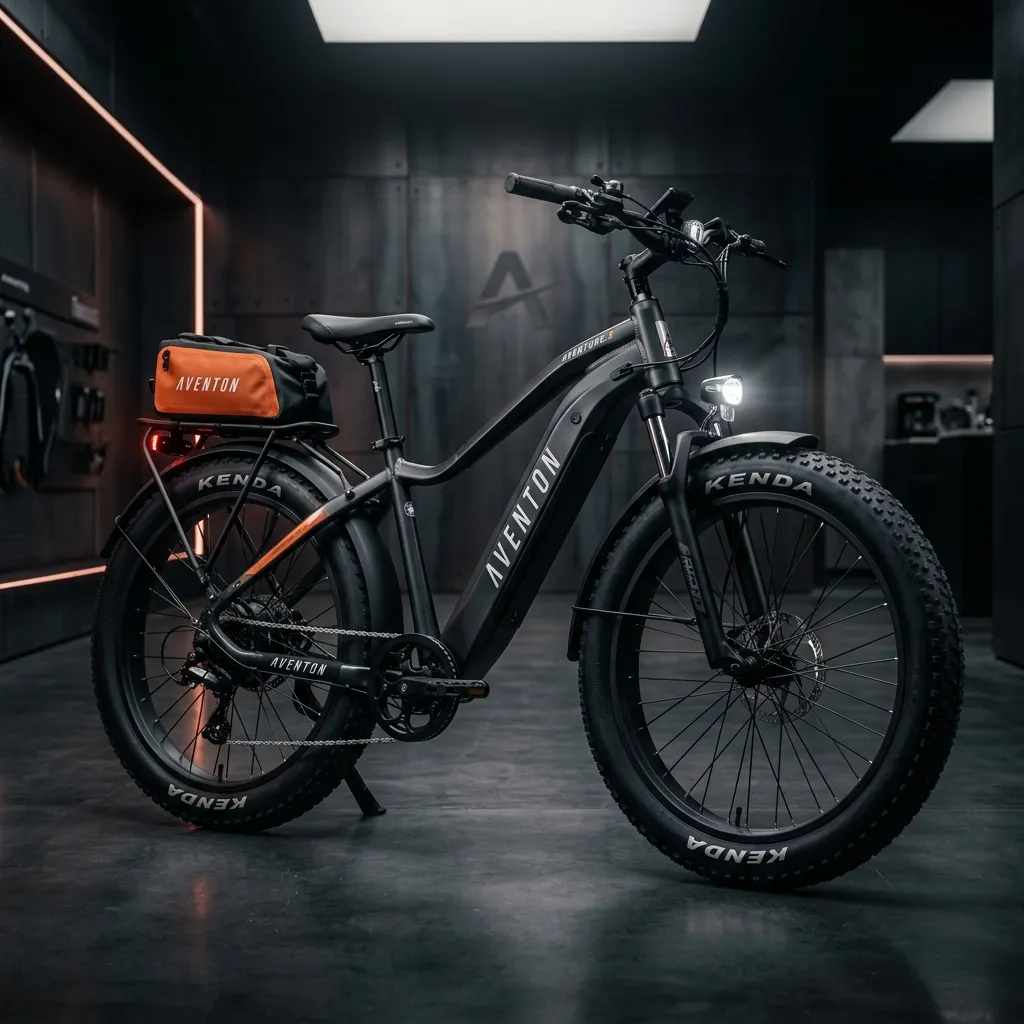
Aventon Aventure.2
Thermal Efficiency and Safety Comparison
Thermal Management: Thermal management is a technical aspect of motor performance that dictates how long your bike can handle sustained high speeds. A Class 3 e-bike generates more heat in its motor and battery housing because it operates at higher current levels. Manufacturers mitigate this with robust heatsinks and advanced battery management systems to ensure long-term cell integrity.
Safety & Maintenance: Class 1 systems operate within a cooler thermal range, leading to higher fuel efficiency and longer lifespan for internal components. Structural safety standards are strict for both, but Class 3 bikes require more durable braking systems to account for higher speeds. Always inspect your brake pads regularly, as the increased mass and velocity of a Class 3 bike increase wear rates significantly.
Best Practices: Maintaining a clean battery terminal and ensuring all electrical connections remain dry will extend the life of any e-bike regardless of class.
Running Costs and Long-Term TCO Analysis
Cost of Ownership: The running cost comparison between these classes reveals a clear gap in total cost of ownership. A Class 1 e-bike serves as a budget-friendly option, with lower purchase prices and cheaper replacement parts.
Service Considerations: Since these bikes put less strain on the drivetrain, your chain, cassette, and tires will last longer. Class 3 bikes are more expensive to maintain due to the accelerated wear on tires and braking components. Beyond routine service, the long-term TCO involves battery replacement, which can cost $500 to $900 for high-capacity packs.
Value Assessment: While the Class 1 is more affordable, the Class 3 provides better value for those replacing a vehicle because it eliminates fuel costs and parking fees entirely. Calculating your annual running cost requires adding your energy recharge costs to your average yearly maintenance budget.
Pros & Cons Shootout
Class 1 E-Bike Dynamics
- Legal access to most bike paths
- Lighter weight for easier storage
- Lower overall purchase price
- Higher efficiency and range
- Lower top speed of 20 mph
- Less torque for heavy hills
- Struggles to keep up with traffic
Class 3 E-Bike Dynamics
- Higher 28 mph speed for traffic
- Superior torque for steep climbs
- Better suited for longer commutes
- More robust build quality
- Prohibited on many bike paths
- Heavier and less agile frame
- Higher cost of maintenance
Buying Recommendation & Verdict
FAQ Shootout
Can I ride a Class 3 e-bike on a regular bike path?
Many local jurisdictions ban Class 3 e-bikes on multi-use paths to ensure safety. Always check signage before your first ride.
How does battery pack life differ between classes?
Class 3 e-bikes often consume more power, which can lead to faster cycle depletion if the motor is pushed at full assist constantly.
Is the running cost comparison heavily skewed?
The difference is marginal unless you ride thousands of miles annually, where tire and brake wear become major line items.
Does Class 1 imply a weaker motor?
Class 1 motors are typically rated for 250W nominal, while Class 3 motors are usually 500W to 750W for higher peak power.