UK Legal 250W E-Bike Requirements: Speed, Power & Licensing 2026
No license or insurance required Very low running costs Access to all cycle paths Environmentally friendly transport.
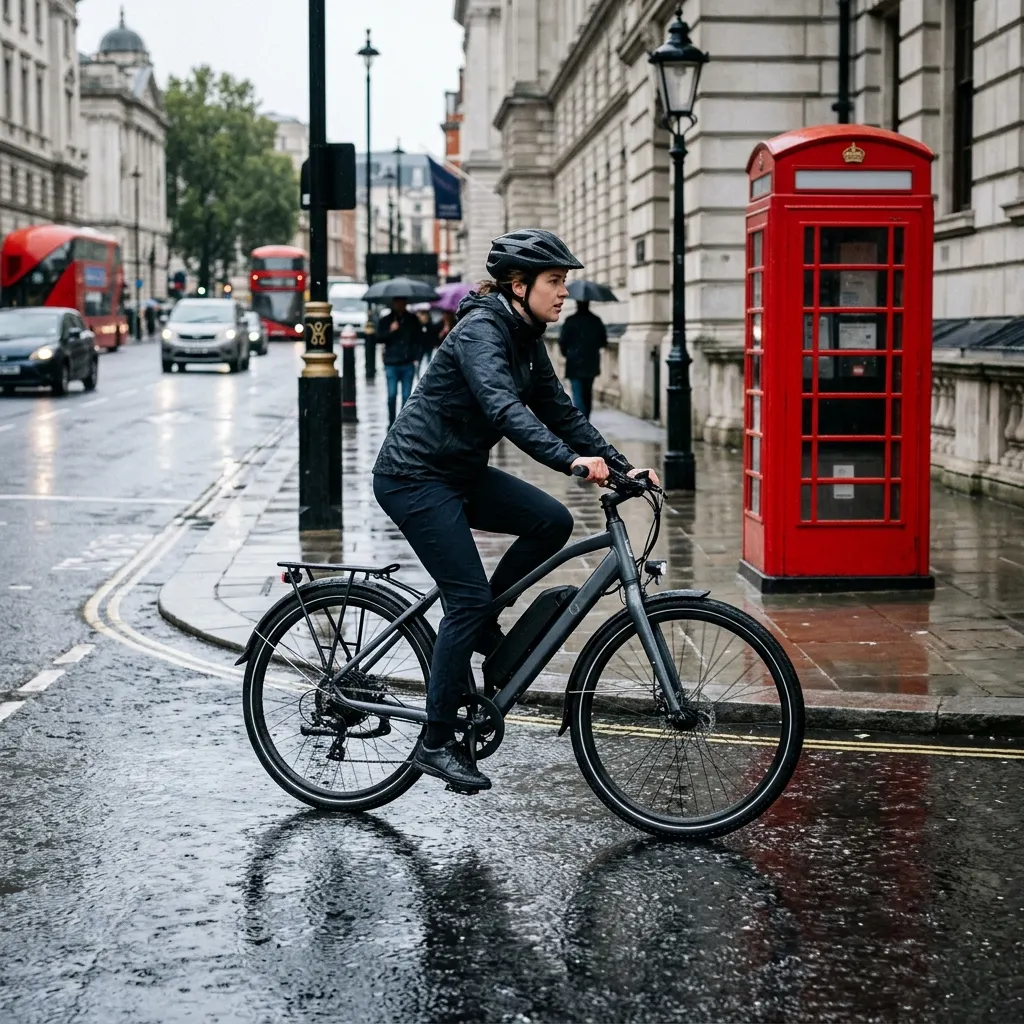
Table of contents
Technical Specifications Dashboard
Independent Technical Review
Understanding UK Legal 250W E-Bike Requirements
In 2026, the popularity of e-bikes continues to grow as urban residents seek efficient, sustainable ways to travel. However, the legal framework surrounding these vehicles is specific. If you are researching MS Jaguar E-70 Electric Bike 2026 or other models, you must verify their compliance with EAPC standards.
Defining EAPC Classification
An Electrically Assisted Pedal Cycle (EAPC) is the only category of e-bike that allows you to ride on UK roads, cycle paths, and other areas where pedal cycles are permitted without requiring registration, insurance, or a license. To qualify as an EAPC, your bike must have pedals that propel it. The motor must have a maximum continuous rated power of 250 watts.
Power Limits and Speed Constraints
The 250W limit is a critical factor. Any bike exceeding this output is legally classified as a moped or motorcycle. Furthermore, motor assistance must cut off once the bike reaches 15.5 mph (25 km/h). This limit applies to the motor only; you are free to pedal faster using your own physical power.
Throttles and Pedal-Assist Logic
New riders often ask about throttles. In the UK, a throttle that provides power without the rider pedaling is generally restricted. Most road-legal bikes operate on a pedal-assist basis, where the motor detects your pedaling cadence and applies power accordingly. For those considering different types of cycles, understanding Class 1 vs Class 3 E-Bike distinctions can help clarify international differences, though UK rules remain firm on the EAPC standard.
Battery Safety and Real-World Range
Battery safety is a primary concern in 2026. Always purchase bikes with certified battery management systems. Real-world range varies based on rider weight, terrain, and weather, but a standard 250W motor paired with a quality 36V battery typically covers 40 to 60 miles on a single charge. You can check your potential savings with a Bike Cost Calculator to see how much you spend per commute.
Why Compliance Matters
Riding a non-compliant bike can lead to legal issues, including the seizure of the vehicle and fines. Many consumers compare modern options like the Super73-S2 2026 to entry-level commuters. Always ensure the specific model you choose matches UK specifications rather than global versions which may feature more powerful motors. For those seeking portability, checking the Best Folding E-Bikes Under $1,500 (2026 Buying Guide) is a great way to find reliable, legal options for city living.
Original Insights: Infrastructure and Security
Beyond the legal specs, riders must consider where to store their bikes. Secure indoor storage is highly recommended, as e-bike theft remains a persistent urban issue. Investing in high-quality locks that are approved for electric cycles is a small price to pay for security. Another often overlooked aspect is tire pressure and drivetrain lubrication. Since these bikes rely on both motor and mechanical efficiency, keeping the chain clean and tires properly inflated can add significant distance to your daily range.
New Maintenance Protocols for 2026
Maintenance for 2026 electric cycles involves more than just oiling a chain. Owners should regularly inspect the electrical contacts of the battery cradle. Ensuring these remain clean and free of oxidation prevents power interruptions during your ride. If you ride in wet conditions, wiping down the sensor near the crankset is helpful. This sensor is the heart of the pedal-assist system. A dirty sensor can lead to jerky motor responses, which makes the ride feel less stable.
The Future of Urban Cycling
The move toward electrification in UK cities is supported by improved cycle lane infrastructure. As more commuters shift to e-bikes, the government continues to refine guidance to ensure safety for both cyclists and pedestrians. By adhering to the 250W and 15.5 mph rules, you remain part of a safe, authorized transport group. Enjoy the benefits of reduced travel costs and the positive impact on the environment by selecting only fully compliant, road-legal machines.
Spare Parts & Service Network Review
Dealership access and parts maintenance cost shape the long-term utility of the vehicle:
Maintenance is straightforward as many components are standard bicycle parts, though battery diagnostics require specialized service from authorized local dealers.
Running Cost & 1-Year Ownership Cost Analysis
We analyze the hard financial data: fuel or power charges per kilometer and the total 1-year cost of ownership (assuming an average daily travel totaling 8,000 km annually, including regular servicing, lubrication, taxes, and tuning):
1. Running Cost per Kilometer
| Vehicle Model | Efficiency Rate | Real Cost per KM |
|---|---|---|
| UK EAPC COMPLIANT | Real-world Commute | $0.02 / Mile |
2. 1-Year Total Ownership Expenses (8,000 KM)
Comparative comparison: E-Bike ($0.02/Mile) vs Commuter Petrol Scooter ($0.15/Mile).
| Vehicle Model | Annual Run | Total Annual Cost |
|---|---|---|
| UK EAPC COMPLIANT | 8,000 km | $160 |
Owner's Voice & Longitudinal Commuter Feedback
"The peace of mind that comes with owning a road-legal bike that meets all government standards is worth every penny." — James P., Graphic Designer, London
Who is this for?
Ideal for urban commuters looking for a tax-free, license-free, and efficient transport mode. Not suitable for riders looking for motorcycle-level speed or long-distance highway travel.
Pros & Cons Checklist
PROS / ADVANTAGES
- No license or insurance required
- Very low running costs
- Access to all cycle paths
- Environmentally friendly transport
- Easy to park and store
CONS / LIMITATIONS
- Limited motor power on very steep hills
- Speed capped at 15.5 mph
- Not designed for heavy pillion loads
Independent Verdict & Recommendation
FINAL VERDICT
For those seeking a reliable and legal commute, a 250W EAPC-compliant bike is the gold standard. It offers the perfect balance of efficiency, low cost, and legal simplicity.
Frequently Asked Questions (Faq)
Do I need a license to ride a 250W e-bike in the UK?
No, if the bike meets the EAPC requirements (250W, 15.5 mph cut-off, pedals present), you do not need a license, insurance, or road tax.
Can I modify my 250W e-bike to go faster?
Modifying an e-bike to exceed the 15.5 mph motor assistance limit or 250W power limit makes it illegal for road use, effectively turning it into an unregistered motor vehicle.
Where can I legally ride an EAPC e-bike?
You can ride an EAPC on roads, cycle paths, and any other tracks where standard bicycles are allowed.
Are throttles legal on UK e-bikes?
Throttles are strictly limited in the UK. A bike that can be propelled by the motor alone without pedaling generally fails the EAPC classification for road use.