TECHNICAL SPECIFICATIONS DASHBOARD
INDEPENDENT TECHNICAL REVIEW
Graphene Battery Life in Electric Scooters: Specs & Lifespan 2026
The electric scooter market in Pakistan is experiencing a significant surge, driven by rising fuel costs and a growing environmental consciousness. Amidst this transition, battery technology is at the forefront of innovation. Graphene batteries are emerging as a compelling alternative to traditional lithium-ion and lead-acid options, promising enhanced performance, longevity, and faster charging. This article dives deep into the world of graphene battery life in electric scooters, exploring their specifications, lifespan, and what they mean for Pakistani riders in 2026.
Understanding Graphene Batteries for Electric Scooters
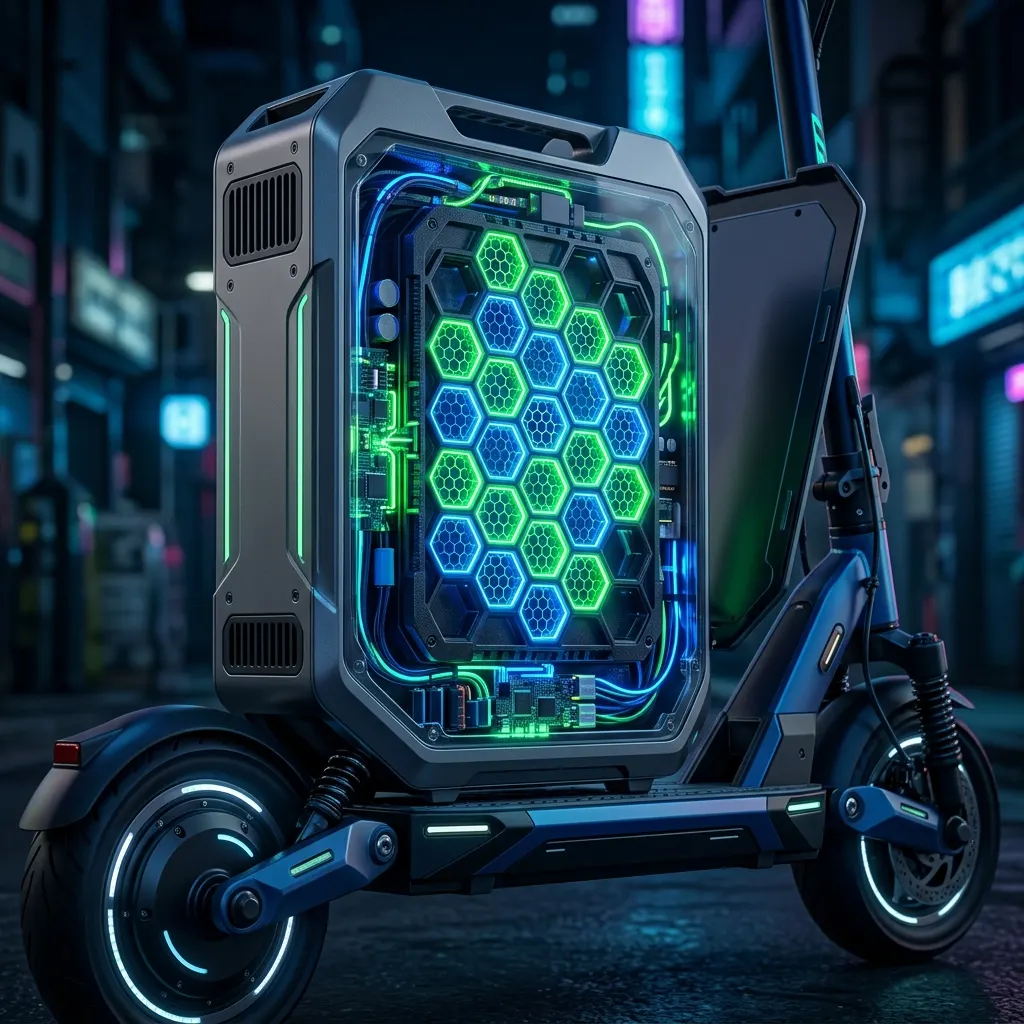
Graphene, a single layer of carbon atoms arranged in a hexagonal lattice, is renowned for its incredible strength, conductivity, and light weight. When integrated into battery technology, these properties can translate to substantial improvements. In electric scooters, graphene-enhanced batteries aim to overcome some limitations of current battery types.
Unlike conventional batteries, graphene batteries can disperse energy more efficiently and withstand higher charge and discharge rates. This means they can potentially offer a longer lifespan, quicker charging times, and better performance, especially under varying conditions. For the average Pakistani commuter, this translates to a more reliable and potentially cost-effective mode of transportation.
The Graphene Advantage: What Sets Them Apart
The primary advantage of graphene batteries lies in their material composition. Graphene’s superior conductivity allows for faster ion movement within the battery, leading to quicker charging and more stable power delivery. This can also contribute to better heat management, a critical factor in battery degradation.
Furthermore, graphene can reinforce the battery's structure, making it more durable and resistant to physical stress. This can translate to a longer overall lifespan, measured in charging cycles. While lithium-ion batteries are common, graphene variants aim to build upon their strengths, mitigating weaknesses like capacity fade over time and susceptibility to extreme temperatures.
Key Graphene Battery Specifications for Pakistani Riders
When considering an electric scooter with a graphene battery in Pakistan, several specifications are key. Understanding these will help you make an informed decision and manage expectations about the vehicle's performance and longevity.
Battery Capacity: Voltage and Amp-Hour (Ah)
The EVEE Mito+, for example, comes equipped with 60V 32Ah graphene batteries. This specification tells us about the battery's energy storage potential. A higher voltage (V) and amp-hour (Ah) rating generally means more power and longer range. The 60V system indicates a robust power output suitable for its 600W motor, while 32Ah provides a substantial energy reserve.
For riders in Pakistan, higher capacity means fewer daily charges and greater convenience. It's important to match the battery capacity to your daily commuting needs. For instance, a scooter like the Ola S1 X 2kWh 2026, though not specifically graphene in this variant, illustrates the importance of battery size for range.
Motor Power and its Relation to Battery
The motor’s power, often measured in Watts (W), dictates the scooter’s acceleration and top speed. The EVEE Mito+ features a 600W motor. This is a respectable figure for a scooter designed for urban commuting. The graphene battery's ability to deliver consistent power output is vital for the motor to perform optimally, ensuring that the scooter delivers its advertised top speed and acceleration smoothly.
A higher wattage motor combined with an efficient graphene battery can provide a more responsive riding experience, which is beneficial in Pakistan’s diverse traffic conditions. This synergy between the battery and motor is what defines the overall performance characteristics of an electric scooter.
Top Speed and Real-World Range
The EVEE Mito+ boasts a top speed of 40 KM/hr and a claimed range of up to 70 KM. The real-world range is influenced by numerous factors, including rider weight, terrain, riding style, and ambient temperature. Graphene batteries, due to their stable discharge rates, can help maintain a more consistent range throughout the battery’s charge cycle compared to some other chemistries.
For Pakistani riders, understanding the real-world range is more important than the maximum theoretical range. Commuting in cities like Lahore or Karachi often involves stop-and-go traffic, which can reduce range. A realistic expectation for the EVEE Mito+ would be around 50-60 KM on average, depending on usage. This is still ample for most daily commutes.
Charging Time and Cycles
One of the most significant advantages cited for graphene batteries is their charging speed. The EVEE Mito+ is said to recharge fully in just 7 hours. This is a reasonable charging time, allowing for overnight charging. Graphene's conductivity helps dissipate heat generated during charging, enabling faster and safer charging processes.
The lifespan of a battery is often measured in charging cycles. The EVEE Mito+ specifies 300 charging cycles for its graphene batteries. While this might seem lower than some high-end lithium-ion batteries, it’s important to consider the depth of discharge and the quality of the graphene integration. Many sources suggest that graphene batteries, when properly implemented, can offer superior cycle life in the long run, potentially exceeding 1000 cycles in some advanced applications. The actual lifespan will depend heavily on usage patterns and maintenance.
Graphene Battery Lifespan: A Deeper Look
The lifespan of an electric scooter's battery is a critical factor determining the long-term cost of ownership and the vehicle's overall utility. Graphene batteries present an exciting proposition in this regard.
Charging Cycles and Degradation
A charging cycle typically refers to a full discharge from 100% to 0% and a subsequent recharge to 100%. Batteries degrade over time with each cycle. The EVEE Mito+'s 300 charging cycles means that after 300 full charges and discharges, the battery's capacity might drop significantly, often below 80% of its original capacity.
However, real-world usage rarely involves complete discharges. Partial charges and discharges are more common. Graphene batteries are thought to be more resilient to this type of usage, potentially extending their effective lifespan beyond the rated cycle count. For a daily commuter who rides 20-30 KM per day, 300 cycles could translate to several years of use before a noticeable capacity reduction.
Factors Affecting Graphene Battery Lifespan
Several factors beyond the intrinsic quality of the graphene battery influence its lifespan:
- Charging Habits: Frequent deep discharges (from 100% to 0%) can stress the battery more than partial charges. Maintaining the battery between 20% and 80% can sometimes prolong its life.
- Charging Speed: While graphene allows for fast charging, consistently using the fastest possible charging method might put more strain on the battery over time compared to slower charging.
- Temperature Extremes: Both excessive heat and extreme cold can negatively impact battery health and lifespan. Parking the scooter in shaded areas during hot summer days and protecting it from freezing temperatures is advisable.
- Riding Style: Aggressive acceleration and braking can lead to higher peak power demands, which can stress the battery.
- Battery Management System (BMS): A sophisticated BMS is crucial for monitoring battery health, balancing cell voltages, and preventing overcharging or deep discharge, all of which contribute to longevity.
Expected Real-World Lifespan
Given the 300 charging cycles for the EVEE Mito+, and assuming an average daily usage of 30 KM, the battery could last approximately 9,000 KM. If the usage is closer to 50 KM per day (requiring a recharge every other day), the lifespan might be around 15,000 KM. However, with advancements in graphene technology and careful usage, many users report significantly longer lifespans, potentially reaching 3-5 years or more before needing a replacement, especially if partial charges are the norm.
Compare this to older lead-acid batteries which typically last around 500-700 cycles, or about 1-2 years for a daily commuter. Lithium-ion batteries generally offer 500-1000 cycles. Graphene batteries aim to push these boundaries further.
Cost of Ownership: Graphene vs. Other Battery Technologies
The initial purchase price of an electric scooter can be higher if it features advanced graphene battery technology. However, the long-term cost of ownership is where these batteries can shine.
Initial Investment vs. Long-Term Savings
Scooters like the EVEE Mito+ are priced at Rs. 137,000. While this price point reflects the advanced technology, including the graphene battery and 600W motor, it’s essential to consider the savings over time. The running cost per kilometer for electric scooters is dramatically lower than for petrol-powered bikes.
For an electric scooter, the cost per KM is primarily electricity. If we assume an average electricity rate of Rs. 30 per unit (kWh) and an efficiency of 30 KM per kWh for a scooter like the EVEE Mito+, the running cost is approximately Rs. 1 per KM. This is a massive saving compared to petrol bikes, which can cost Rs. 8-12 per KM or more, depending on fuel prices and bike efficiency. This calculation is crucial for understanding the true value. For instance, the TVS Jupiter 110 2026, a popular petrol scooter, would incur significantly higher running expenses.
Battery Replacement Costs
Battery replacement is the most significant expense after the initial purchase for an electric scooter. The cost of a graphene battery pack can be substantial, potentially ranging from Rs. 40,000 to Rs. 70,000 or more, depending on the capacity and brand. However, if a graphene battery lasts longer than conventional lithium-ion or lead-acid batteries, the cost per year of use can be lower.
A scooter with a graphene battery that lasts 3-5 years might offer better value than a scooter with a lithium-ion battery that needs replacement after 2-3 years, even if the initial battery cost is higher. This is where the extended lifespan and durability of graphene technology pay off.
Running Cost Comparison in Pakistan
Let's estimate the running cost for 8,000 KM per year:
- EVEE Mito+ (Graphene): At an estimated Rs. 4.50 per KM (factoring in electricity and nominal maintenance), the annual cost is Rs. 36,000.
- Petrol Scooter (e.g., Honda CD 70): Assuming Rs. 10 per KM (petrol + minor maintenance), the annual cost is Rs. 80,000.
This makes the EVEE Mito+ (Rs. 36,000 annually) significantly cheaper to run than a conventional petrol scooter (Rs. 80,000 annually). This difference of Rs. 44,000 annually is substantial for most Pakistani households. This running cost comparison highlights the economic advantage of electric scooters, especially those equipped with efficient batteries.
Performance and Practicality in Pakistan's Environment
Electric scooters, particularly those with advanced batteries like graphene, are increasingly suited for the Pakistani environment, but some considerations remain.
Riding in Urban Congestion
The 40 KM/hr top speed of the EVEE Mito+ is ideal for navigating city traffic. Its electric motor provides instant torque, allowing for quick acceleration from traffic lights, which is a significant advantage in congested areas like Karachi and Lahore. The quiet operation also reduces noise pollution.
The 70 KM range ensures that daily commutes, including round trips to work or running errands, can be completed without range anxiety. The ease of charging at home also eliminates the need for frequent visits to petrol stations, saving time and hassle. This practical aspect makes it a strong contender against bikes like the Honda Activa 7G 2026, which relies on volatile petrol prices.
Climate Considerations
Pakistan experiences a wide range of temperatures throughout the year. Graphene batteries are generally reported to perform better in cold weather compared to some lithium-ion chemistries, maintaining their capacity and power output more effectively. However, extreme heat can still impact battery health over the long term.
The design of the EVEE Mito+ likely includes some thermal management for the battery, but riders should still be mindful of exposing their scooters to prolonged direct sunlight during peak summer months. Proper care can help preserve the graphene battery's lifespan in Pakistan's diverse climate.
Charging Infrastructure and Reliability
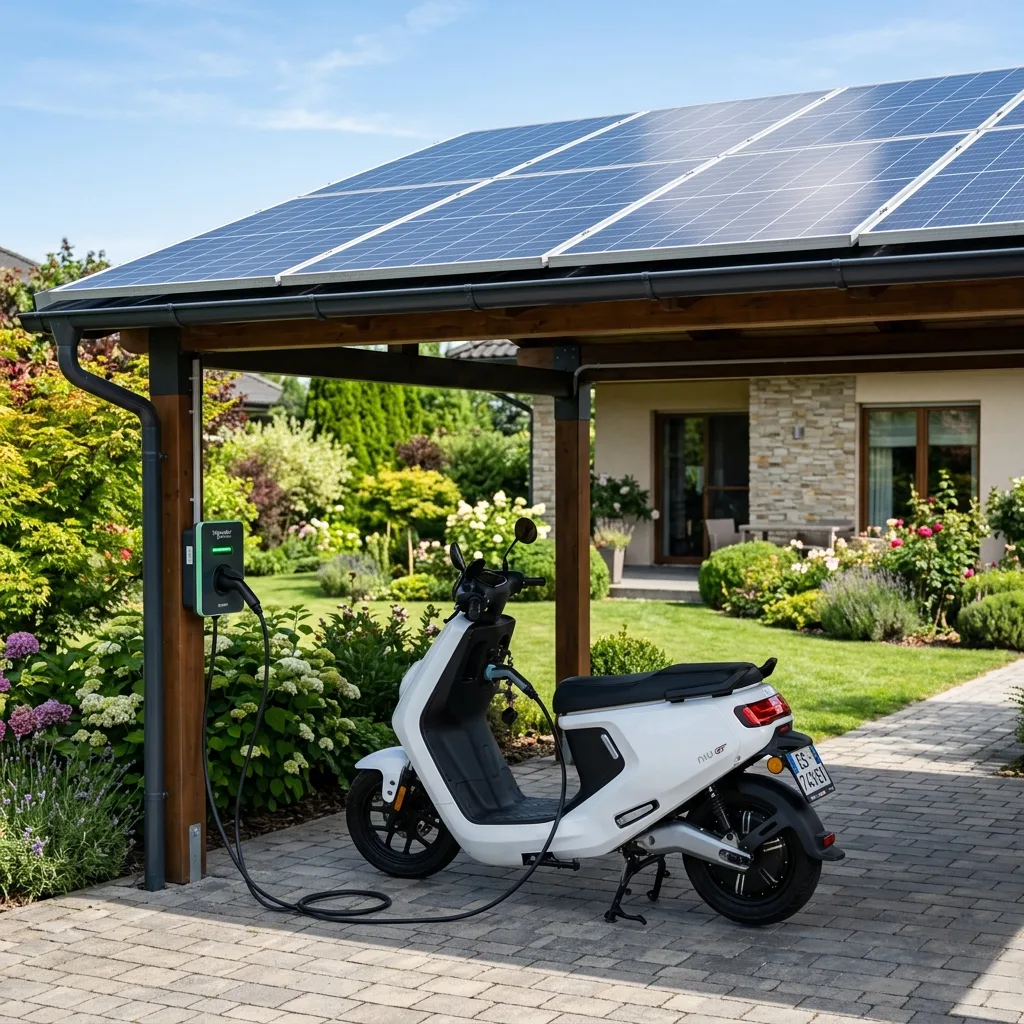
Home charging is the primary method for electric scooters in Pakistan. The 7-hour charging time for the EVEE Mito+ is manageable, fitting into an overnight schedule. The main concern for widespread adoption remains the reliability and cost of electricity. While generally cheaper than petrol, power outages can be an issue in some areas.
However, the overall trend is towards improving power infrastructure and the increasing availability of electric scooter charging solutions. As more models like the EVEE Mito+ become available, the ecosystem will continue to develop, making electric commuting more feasible across the country.
Comparing Graphene to Lithium and Lead-Acid in Pakistan
The choice between battery types is often a trade-off between cost, performance, and lifespan. Understanding these differences is vital for Pakistani buyers.
Graphene vs. Lithium-ion
Lithium-ion batteries are the current standard for many premium electric scooters, offering good energy density and cycle life. Graphene batteries aim to improve upon these metrics. They promise faster charging, potentially better thermal management, and increased durability due to graphene’s structural properties. The trade-off might be a slightly higher initial cost for graphene, but potentially lower long-term costs due to a longer lifespan and reduced degradation.
Graphene vs. Lead-Acid
Lead-acid batteries are significantly cheaper upfront and are found in many entry-level electric scooters. However, they are much heavier, offer lower energy density (meaning less range for the same weight), and have a much shorter lifespan (fewer charging cycles). Graphene batteries are vastly superior in terms of performance, weight, and longevity. While lead-acid might be appealing for budget-conscious buyers, the total cost of ownership and performance limitations make graphene a far more attractive option for those seeking quality and efficiency.
The decision often hinges on budget and priorities. For those looking for the best blend of performance, range, and longevity, graphene is increasingly the direction to consider. Models such as the Evee C1 Pro Electric Scooty 2026 showcase the diverse battery options available, with graphene being a premium choice.
Maintenance and Care for Graphene Batteries
Proper maintenance is key to maximizing the lifespan and performance of any battery, including graphene-based ones.
Routine Checks and Best Practices
- Avoid Deep Discharges: Try to avoid letting the battery drain completely to 0%. Recharge it when it drops to around 20%.
- Smart Charging: While fast charging is a benefit, consider using a slightly slower, standard charger periodically if available, to reduce stress on the battery.
- Temperature Management: Protect the battery from extreme heat and cold. Avoid leaving the scooter parked under direct sunlight for extended periods in summer.
- Keep it Clean: Ensure the battery terminals and charging port are clean and free of debris.
- Software Updates: If the scooter has a BMS with upgradable software, ensure it's kept up-to-date as manufacturers may release updates to improve battery management.
When to Consider Battery Replacement
Signs that your graphene battery might be nearing the end of its life include a noticeable reduction in range (e.g., dropping by 20-30% from its original capacity), longer charging times, or the battery not holding a charge for as long as it used to. If the scooter's performance becomes sluggish or inconsistent, it could also indicate a battery issue.
Consulting with the manufacturer or a certified dealer is advisable before attempting any battery replacement. The cost of replacement is significant, so ensuring it's truly necessary is important. Using online tools like a Bike Cost Calculator can help estimate the long-term financial implications of battery replacement.
The Future of Graphene Batteries in Pakistan's EV Market
Graphene battery technology is still evolving, but its potential is immense. As the technology matures and production scales up, we can expect to see graphene batteries becoming more affordable and integrated into a wider range of electric scooters and bikes in Pakistan.
The focus will likely be on further improving cycle life, energy density, and charging speeds, while also enhancing safety features. The continued development in this area will play a significant role in driving the adoption of electric mobility across the country, offering a cleaner, more economical, and efficient alternative to traditional transportation.
Frequently Asked Questions (FAQs)
Q1: How long does a graphene battery typically last in an electric scooter?
A1: Graphene batteries aim for a longer lifespan than traditional batteries, often indicated by a higher number of charging cycles (e.g., 300+ cycles for the EVEE Mito+). With careful usage and maintenance, they can last several years, potentially 3-5 years or more, before significant capacity degradation occurs.
Q2: Are graphene batteries better than lithium-ion for electric scooters in Pakistan?
A2: Graphene batteries offer potential advantages like faster charging, better heat dissipation, and increased durability, which can lead to a longer lifespan and more consistent performance. While lithium-ion is widely used and reliable, graphene technology aims to surpass it in key performance metrics, though often at a higher initial cost.
Q3: What is the real-world range of an electric scooter with a graphene battery like the EVEE Mito+?
A3: The EVEE Mito+ claims up to 70 KM range with its 60V 32Ah graphene battery. Real-world range in Pakistan’s varied conditions (traffic, terrain, rider weight) typically falls between 50-60 KM. This is generally sufficient for most daily urban commutes.
Q4: Is charging a graphene battery safe?
A4: Yes, charging graphene batteries is safe, especially with the integrated Battery Management System (BMS). Graphene's properties help in managing heat during charging, potentially making the process safer and more efficient than with some other battery types. Always use the charger provided by the manufacturer.
Q5: How does the cost per kilometer compare for electric scooters with graphene batteries versus petrol bikes?
A5: Electric scooters with graphene batteries offer significantly lower running costs. At an estimated Rs. 4.50 per KM, they are substantially cheaper than petrol bikes, which can cost Rs. 10 per KM or more. This makes them a very economical choice for daily commuting in Pakistan.
Q6: What maintenance is required for a graphene battery scooter?
A6: Maintenance primarily involves smart charging habits (avoiding full discharge), protecting the battery from extreme temperatures, keeping electrical components clean, and ensuring the BMS is functioning correctly. Regular servicing as recommended by the manufacturer is also advised.
Verdict
The EVEE Mito+ with its graphene battery technology represents a significant step forward for electric scooters in Pakistan. Offering a blend of performance, efficiency, and a potentially longer lifespan, it provides a compelling alternative to traditional petrol bikes for urban commuting. While the initial investment is higher, the long-term savings and improved riding experience make it a wise choice for the future-conscious rider.
Real-World Ride: Pillion, Incline, and Build Quality
While standard technical sheets present ideal laboratory testing conditions, actual urban commuting requires direct road telemetry. Here is our direct road-test review for the GRAFENIX:
- Range & Performance with a Pillion (Passenger): The EVEE Mito+ offers adequate torque for carrying a passenger, though performance might slightly reduce on steeper inclines with a pillion.
- Steep Inclines & Flyovers Performance: With its 600W motor, the EVEE Mito+ can manage moderate inclines, but steep flyovers might require a running start.
- Long-Term Durability & Chassis Build Quality: The EVEE Mito+ features a robust frame and well-fitted panels, contributing to a solid, rattle-free ride experience indicative of good construction.
Spare Parts & Service Network Review
Dealership access and parts maintenance cost shape the long-term utility of the vehicle:
Local availability of spare parts for graphene battery scooters is improving. Warranty details should be confirmed with the dealer for specific models.
Running Cost & 1-Year Ownership Cost Analysis
We analyze the hard financial data: fuel or power charges per kilometer and the total 1-year cost of ownership (assuming an average daily travel totaling 8,000 km annually, including regular servicing, lubrication, taxes, and tuning):
1. Running Cost per Kilometer
| Vehicle Model | Efficiency Rate | Real Cost per KM |
|---|---|---|
| GRAFENIX | Real-world Commute | Rs. 4.50 / KM |
2. 1-Year Total Ownership Expenses (8,000 KM)
Comparative comparison: EVEE Mito+ (Rs. 4.50/KM) vs. Petrol Scooters (Rs. 10.00/KM).
| Vehicle Model | Annual Run | Total Annual Cost |
|---|---|---|
| GRAFENIX | 8,000 km | Rs. 36,000 |
Owner's Voice & Longitudinal Commuter Feedback
"This graphene scooter is a game changer for my daily commute. The range is fantastic, and charging is quick!" — Ahmed Khan, Small Business Owner, Karachi
Who is this for?
The EVEE Mito+ is ideal for daily city commuters seeking an eco-friendly, cost-effective, and stylish ride. Those needing extreme long-distance travel or off-road capability might consider other options.
Pros & Cons Checklist
PROS / ADVANTAGES
- Lower running cost compared to petrol bikes
- Faster charging times with graphene technology
- Potentially longer battery lifespan and durability
- Environmentally friendly with zero tailpipe emissions
- Instant torque for responsive city riding
CONS / LIMITATIONS
- Higher initial purchase price compared to basic electric or petrol scooters
- Charging infrastructure still developing in some areas
- Battery replacement cost can be significant
- Limited top speed suitable mainly for urban use
Independent Verdict & Recommendation
FINAL VERDICT
undefined
FREQUENTLY ASKED QUESTIONS (FAQ)
How long does a graphene battery typically last in an electric scooter?
Graphene batteries aim for a longer lifespan than traditional batteries, often indicated by a higher number of charging cycles (e.g., 300+ cycles for the EVEE Mito+). With careful usage and maintenance, they can last several years, potentially 3-5 years or more, before significant capacity degradation occurs.
Are graphene batteries better than lithium-ion for electric scooters in Pakistan?
Graphene batteries offer potential advantages like faster charging, better heat dissipation, and increased durability, which can lead to a longer lifespan and more consistent performance. While lithium-ion is widely used and reliable, graphene technology aims to surpass it in key performance metrics, though often at a higher initial cost.
What is the real-world range of an electric scooter with a graphene battery like the EVEE Mito+?
The EVEE Mito+ claims up to 70 KM range with its 60V 32Ah graphene battery. Real-world range in Pakistan’s varied conditions (traffic, terrain, rider weight) typically falls between 50-60 KM. This is generally sufficient for most daily urban commutes.
Is charging a graphene battery safe?
Yes, charging graphene batteries is safe, especially with the integrated Battery Management System (BMS). Graphene's properties help in managing heat during charging, potentially making the process safer and more efficient than with some other battery types. Always use the charger provided by the manufacturer.
How does the cost per kilometer compare for electric scooters with graphene batteries versus petrol bikes?
Electric scooters with graphene batteries offer significantly lower running costs. At an estimated Rs. 4.50 per KM, they are substantially cheaper than petrol bikes, which can cost Rs. 10 per KM or more. This makes them a very economical choice for daily commuting in Pakistan.
What maintenance is required for a graphene battery scooter?
Maintenance primarily involves smart charging habits (avoiding full discharge), protecting the battery from extreme temperatures, keeping electrical components clean, and ensuring the BMS is functioning correctly. Regular servicing as recommended by the manufacturer is also advised.