LFP vs Lithium-Ion Battery for E-Bikes: Full Comparison 2026
Selecting the right power source is the most impactful decision when buying an electric bike.
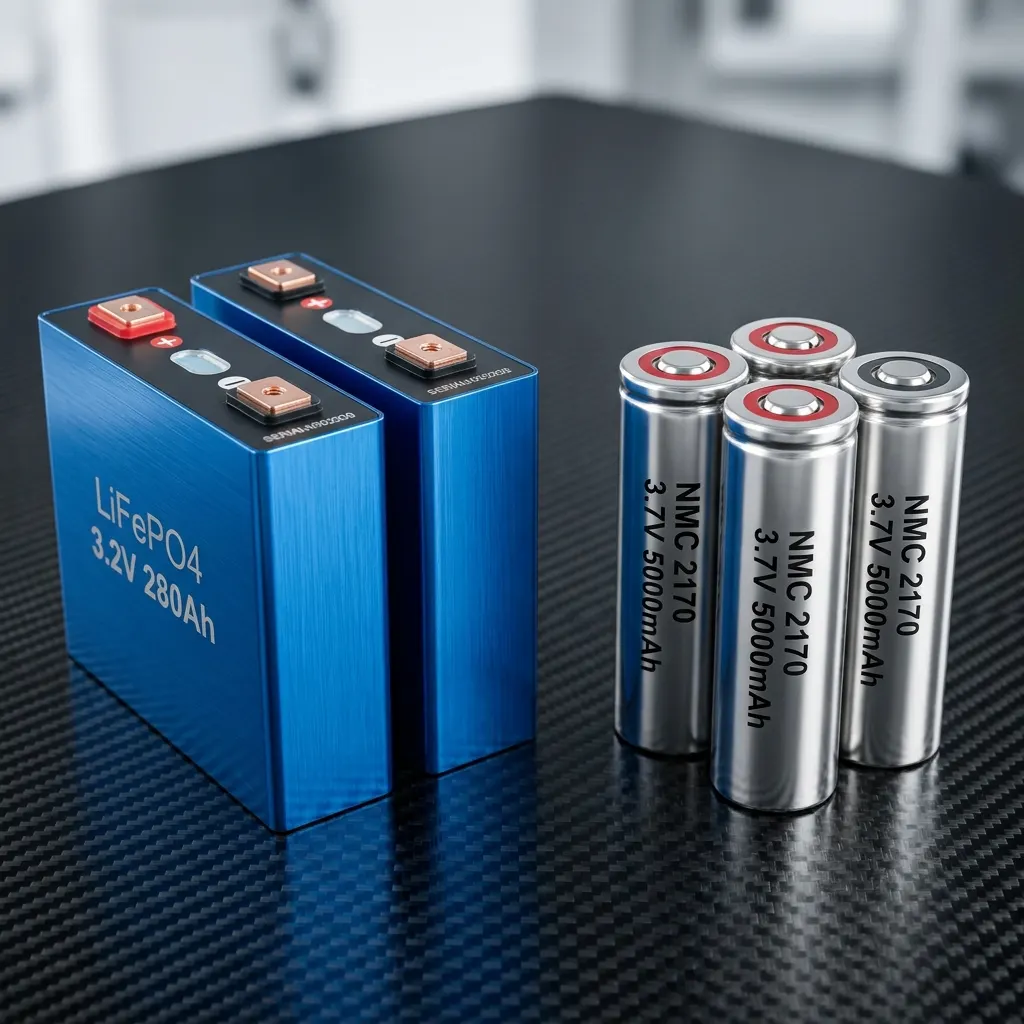
Table of contents
LFP Battery vs Lithium-Ion Battery comparison dashboard
Objective: Selecting the right power source is the most impactful decision when buying an electric bike. This LFP vs Lithium-Ion battery for e-bikes: full comparison analyzes the performance, safety, and longevity of both technologies. We examine which chemistry offers the best value for your specific riding style in 2026.
Battery & Power Dynamics
Performance & Incline Capabilities
Real-World Cost & Reliability
Independent Technical Comparison
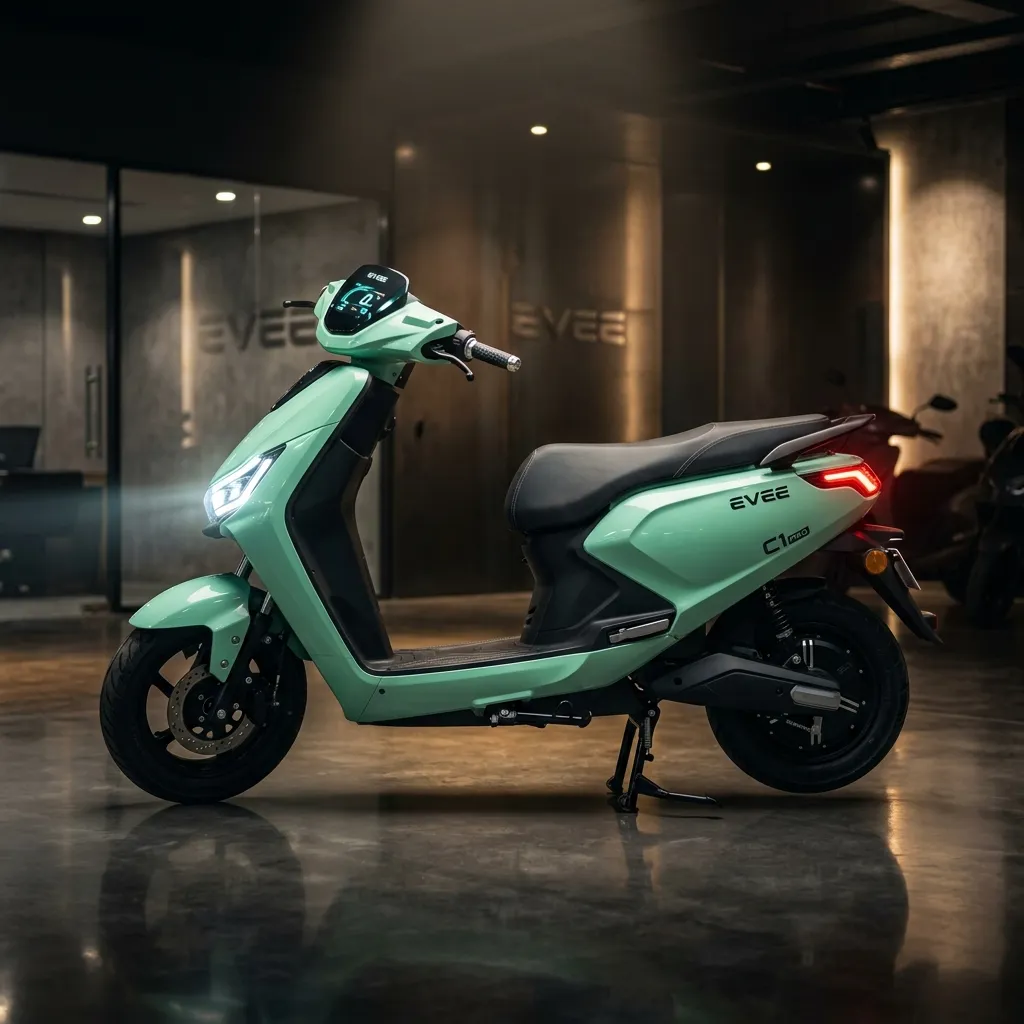
Evee C1 Pro
Performance and Incline Capabilities Shootout
Range and Acceleration: When comparing LFP vs Lithium-Ion battery for e-bikes, the real-world range often becomes the deciding factor. NMC (Lithium-Ion) cells provide a higher energy density, allowing manufacturers to build lighter bikes with impressive acceleration. If you reside in a hilly area, the high power-to-weight ratio of NMC cells ensures your e-bike maintains torque during steep inclines without feeling sluggish.
Consistency: Conversely, LFP batteries offer a flat discharge voltage, which means your e-bike maintains consistent performance even as the charge drops toward twenty percent. While an LFP-equipped bike might feel heavier, the motor response remains predictable throughout the ride. Riders looking for daily commuting stability often prefer this consistency over the peak, yet declining, output of standard Lithium-Ion cells.
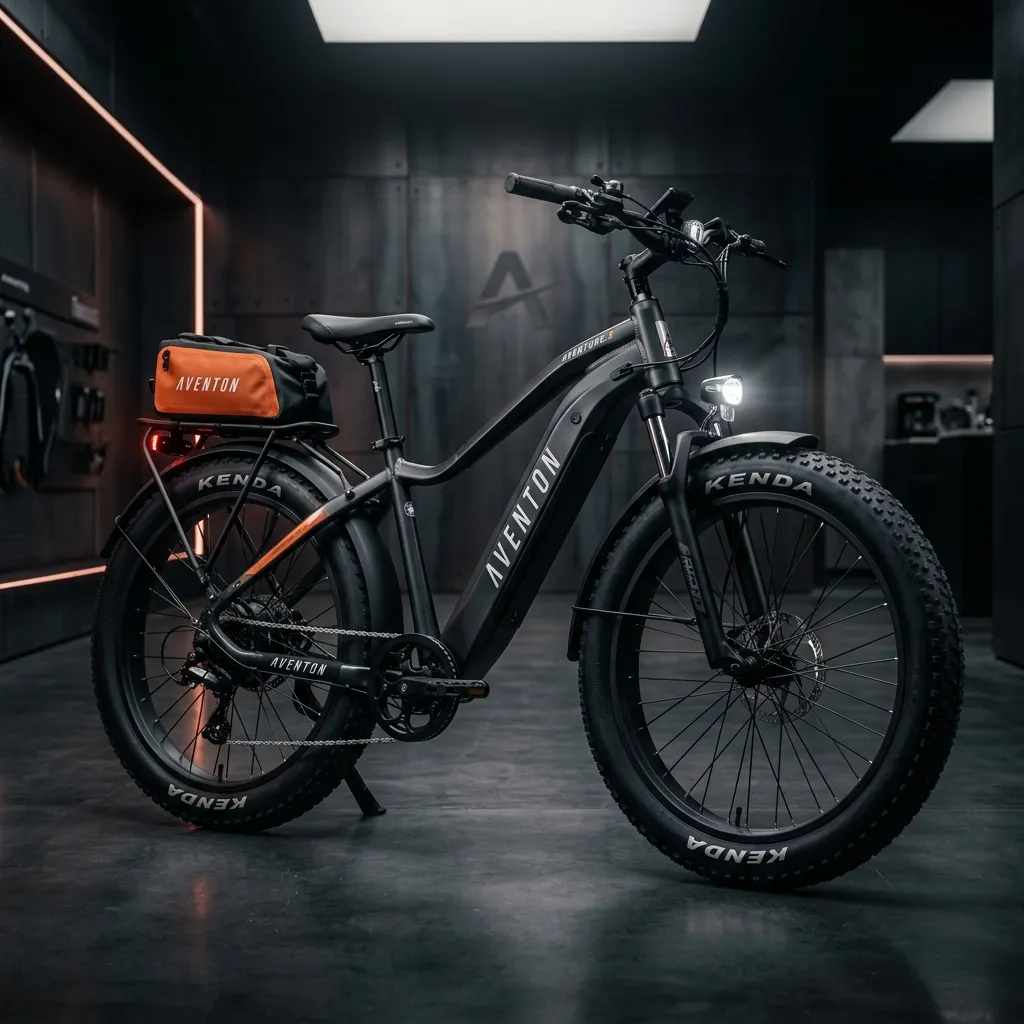
Aventon Aventure.2
Thermal Efficiency and Safety Comparison
Safety Standards: Safety remains a primary concern for daily riders, especially when storing an e-bike in enclosed garages. LFP chemistry is inherently more stable than NMC and possesses a much higher thermal runaway threshold. This physical property makes LFP batteries less prone to combustion if damaged, punctured, or subject to extreme charging conditions.
Technical Management: Lithium-Ion (NMC) batteries require sophisticated Battery Management Systems (BMS) to mitigate heat production during fast charging. While modern designs have improved safety, they still carry higher risks compared to the chemical composition of Iron Phosphate. For those prioritizing long-term storage safety and fire protection, the LFP chemistry serves as the superior choice.
Running Costs and Long-Term TCO Analysis
Economic Value: Calculating the running cost comparison involves more than just the price of electricity per unit. An NMC battery might cost 50,000 Rs. initially, but it could require replacement after three years of heavy usage. An LFP battery, while perhaps costing 60,000 Rs. upfront, offers double the cycle life, effectively lowering your cost per kilometer over five to ten years.
Longevity: This longevity analysis confirms that LFP is the winner for fleet owners or high-mileage commuters. While Lithium-Ion offers better initial fuel efficiency due to its lower mass, the maintenance and replacement cycle favor LFP. Ultimately, your choice depends on whether you value low weight now or the lowest total cost of ownership over the next decade.
Pros & Cons Shootout
LFP Battery Dynamics
- High cycle life exceeding 3,000 charge cycles
- Superior safety profile with low fire risk
- Cost-effective for high-mileage users
- Excellent voltage stability during discharge
- Heavier weight impacting handling
- Lower energy density leads to bulkier packs
- Diminished range in freezing climates
Lithium-Ion Battery Dynamics
- High energy density for lightweight designs
- Better performance in extreme cold
- Compact battery pack dimensions
- Faster power output for quick acceleration
- Higher risk of thermal runaway
- Shorter total lifespan (lower cycle count)
- Expensive raw materials like cobalt
Buying Recommendation & Verdict
FAQ Shootout
Which battery lasts longer in terms of years?
Life Cycle: LFP batteries typically last longer, often reaching 3,000 to 5,000 cycles compared to the 800 to 1,500 cycles of standard Lithium-Ion packs.
Is LFP better for heavy cargo e-bikes?
Durability: Yes, because LFP is more durable and resistant to the mechanical stress of heavy loads and frequent charging.
Do Lithium-Ion batteries catch fire more often?
Thermal Safety: NMC Lithium-Ion batteries have a lower thermal runaway threshold, making them more sensitive to impact or charging errors than stable LFP cells.
Can I replace my current battery with the other type?
Compatibility: It is not recommended, as different battery chemistries require specific charging profiles and voltage cut-offs managed by the bike's controller.