
Sodium-Ion Battery Electric Bikes & Two-Wheelers Guide 2026: Sub-Zero Cold & Safety
The commercial arrival of sodium-ion (Na-ion) propulsion in two-wheelers. Delivering 88% capacity retention at -20°C, zero cobalt/nickel dependency, 3,500+ cycles, and non-flammable zero-volt transport.
Sodium-Ion Advantages
- Exceptional sub-zero performance with 88% range retention at -20°C
- Zero risk of thermal runaway fires under direct mechanical nail penetration
- Can be discharged to 0.0V for 100% safe transport and storage without degradation
- Uses abundant, low-cost sodium salt and aluminum current collectors
- 3,500+ cycle life provides over 8 years of heavy daily delivery fleet usage
Current Limitations
- Gravimetric density (140-160 Wh/kg) is ~30% lower than high-end NMC lithium cells
- Requires larger frame cavity or external battery boxes for 1,000Wh+ capacities
- Supply chains and recycling infrastructure are still ramping up to gigawatt scales
NFPP & Transition Metal Oxide Chemistry
How sodium ions shuttle between hard carbon anodes and polyanionic cathodes.
Sodium vanadium fluorophosphate (NFPP) provides high structural stability and 4,000+ cycle endurance.
Disordered non-graphitizable hard carbon creates wide interstitial pores for fast sodium ion intercalation.
Sodium does not alloy with aluminum at low voltages, replacing expensive copper foil on negative terminals.
Discharge Capacity vs Temperature Curves
Laboratory chamber tests measuring voltage sag and capacity across 25°C, 0°C, -10°C, and -20°C.
Temperature Discharge Comparison
Sodium-Ion (HuaYu / Farasis)
Standard LFP (Lithium Iron Phosphate)
Form Factors: Prismatic, Cylindrical & Pouch
Managing pack volume in electric commuter scooters and cargo two-wheelers.
Requires 25% larger down-tube cross-section for equivalent 720Wh e-bike battery integration.
Heavy utility and commercial cargo mopeds easily accommodate sodium-ion modular battery boxes.
Ships at 0.0V without copper dissolution risks, reducing air freight and ocean shipping insurance costs.
Winter Delivery Fleet Economics & ROI
Why food delivery and logistics operators are adopting sodium-ion in cold metropolitan regions.
Commercial Fleet Benefits
- Eliminates winter delivery range collapse where lithium courier fleets suffer 40-50% mileage loss
- Enables 3C superfast charging (0% to 80% in 15 minutes) during rider meal breaks
- Zero fire liability in indoor charging depots and high-density commercial parking hubs
- 3,500 cycle lifespan lowers battery amortization costs to under $0.008 per delivery kilometer
Sodium-Ion vs LFP vs NMC Matrix
Comprehensive technical comparison across all commercial two-wheeler battery chemistries.
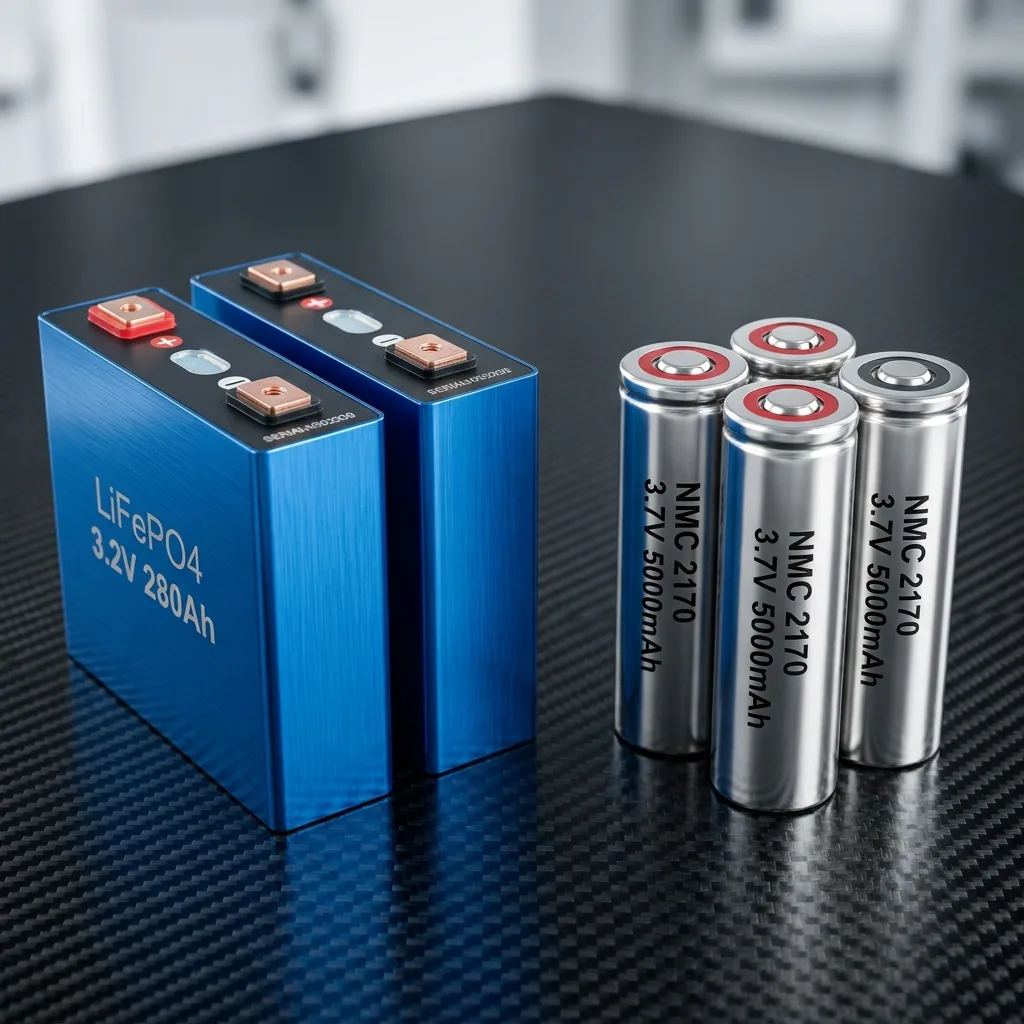
Two-Wheeler Battery Chemistries
Sodium-Ion (Na-Ion)
LFP (Lithium Iron Phosphate)
Will Sodium-Ion Replace Lithium in Urban Two-Wheelers?
Sodium-Ion Battery Technology: The Cold-Weather Solution for Micro-Mobility
For over a decade, lithium-ion battery chemistry dominated light electric vehicles. However, winter range degradation and lithium commodity price volatility created demand for alternatives. Read our full chemistry breakdown in our LFP vs Lithium-Ion battery comparison.
1. The Sub-Zero Temperature Advantage
In cold climates where winter temperatures plunge below -10°C, traditional lithium-ion batteries suffer sharp increases in internal impedance. Lithium ions move sluggishly through liquid electrolytes, causing severe voltage sag and reducing range by up to 50%. Sodium ions have lower solvation energy in specialized non-aqueous electrolytes, allowing fast charge transfer even at -20°C with 88% capacity retention.
2. Zero-Volt Transportation & Fire Safety
Lithium-ion batteries cannot be discharged below 2.0V without copper current collector dissolution, which leads to internal short-circuits during subsequent recharging. Because sodium does not alloy with aluminum, sodium-ion cells use aluminum foil for both positive and negative electrodes. This enables sodium packs to be completely discharged to 0.0V for safe global shipping and storage, eliminating fire risk during transit.
For additional battery longevity data, consult our guide on how many years LFP e-bike batteries last and graphene battery lifespan.
🌿 Related Models & Comparison Guides
Frequently Asked Questions
How does a sodium-ion battery perform in freezing sub-zero temperatures?+
Sodium-ion batteries maintain over 85% to 88% of usable discharge capacity at -20°C (-4°F) without external pack pre-heating, compared to standard LFP batteries which drop to 50-60% capacity in freezing conditions.
Is sodium-ion safer against thermal runaway fires than lithium-ion?+
Yes. Sodium-ion cathode chemistry has a thermal runaway onset threshold above 320°C to 350°C and can be fully discharged to zero volts for safe transportation without cell degradation or fire risk.
What is the energy density of commercial sodium-ion two-wheeler batteries in 2026?+
First-generation commercial sodium-ion cells from manufacturers like Yadea HuaYu and Farasis deliver 140 to 160 Wh/kg at cell level, which is slightly below LFP (160-190 Wh/kg) and NMC (240-300 Wh/kg).
What is the expected cycle life of sodium-ion e-bike batteries?+
Polyanionic sodium-ion packs (such as NFPP chemistry) achieve 3,000 to 4,000 charge cycles before reaching 80% State of Health, providing 8 to 10 years of daily commercial delivery service.
Why are sodium-ion batteries cheaper to manufacture than lithium-ion?+
Sodium is globally abundant and inexpensive compared to lithium carbonate. Furthermore, sodium-ion cells use aluminum current collectors on both positive and negative terminals, eliminating expensive copper foils.