Evolve Leopard VS Vlektra Velocity 180
Two bikes. Two very different philosophies. One question every Pakistani performance EV buyer is asking: which one actually survives the daily grind — Karachi’s flyovers, Lahore’s potholes, 45°C heat, and 12-hour shifts — without falling apart or throttling down at the worst moment?
Here is the anxiety nobody in a showroom will address honestly: You are about to spend PKR 200,000–280,000 on an electric bike in a country where the EV service network is still developing, summer temperatures melt asphalt, and a single major component failure can strand your bike for weeks.
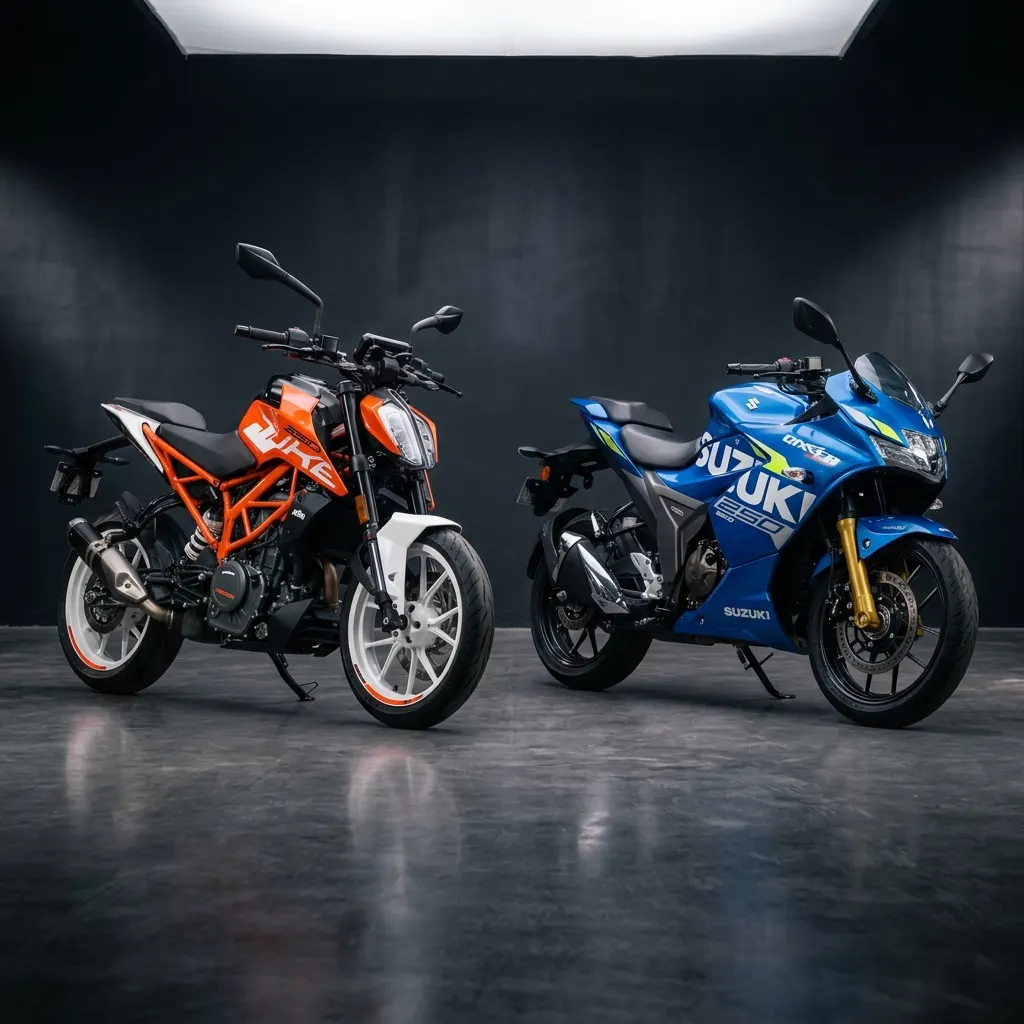
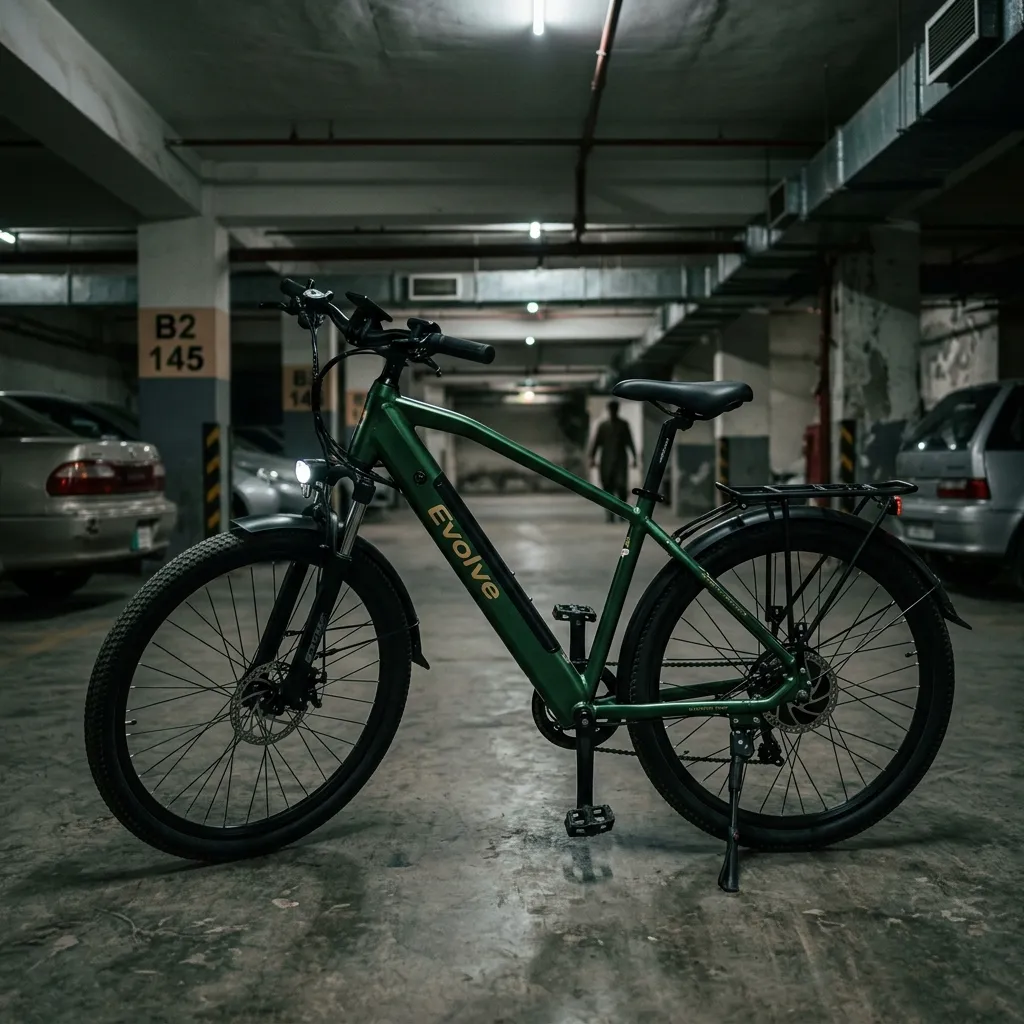
The Evolve Leopard targets serious commuters and delivery riders who need raw load-carrying power and a battery built to survive daily abuse. The Vlektra Velocity 180 is aimed at the rider who grew up wanting a proper sport bike and sees an EV as a way to get performance without petrol costs.
Both make compelling claims on paper. This analysis tears through the spec sheets and synthesizes what consistent long-term owner reports actually show about living with each bike — every day, in real Pakistani conditions.
The 30-Second Verdict
Who wins — and for whom?
The Evolve Leopard wins for anyone who needs a reliable daily workhorse — commuters doing 60–120 km per day, delivery riders carrying loads, or anyone prioritising long-term battery durability over outright thrills. Its LFP battery and 2000W motor combination makes it the more practical instrument.
The Vlektra Velocity 180 wins for riders who want the closest thing to a performance petrol bike in EV form — higher top speed, stronger initial acceleration feel, and a sportier riding position. But consistent owner reports point to reliability concerns under heavy daily use that make it a riskier choice for the 7-days-a-week commuter.
If your bike is your income or your primary transport: buy the Evolve Leopard. If you ride for the experience and can absorb occasional service downtime: the Vlektra Velocity 180 delivers more excitement per rupee.
Daily Winner: Evolve LeopardHead-to-Head: Evolve Leopard vs Vlektra Velocity 180
Real-World Performance Analysis
Speed Hill Climbing Reality — Who Actually Wins on Karachi’s Flyovers?
On paper, the Vlektra Velocity 180’s 90–95 km/h top speed looks dominant. In the showroom, that number sells bikes. On a flyover at 7:30 AM with 30 kg of gear and a 90 kg rider, it tells a different story.
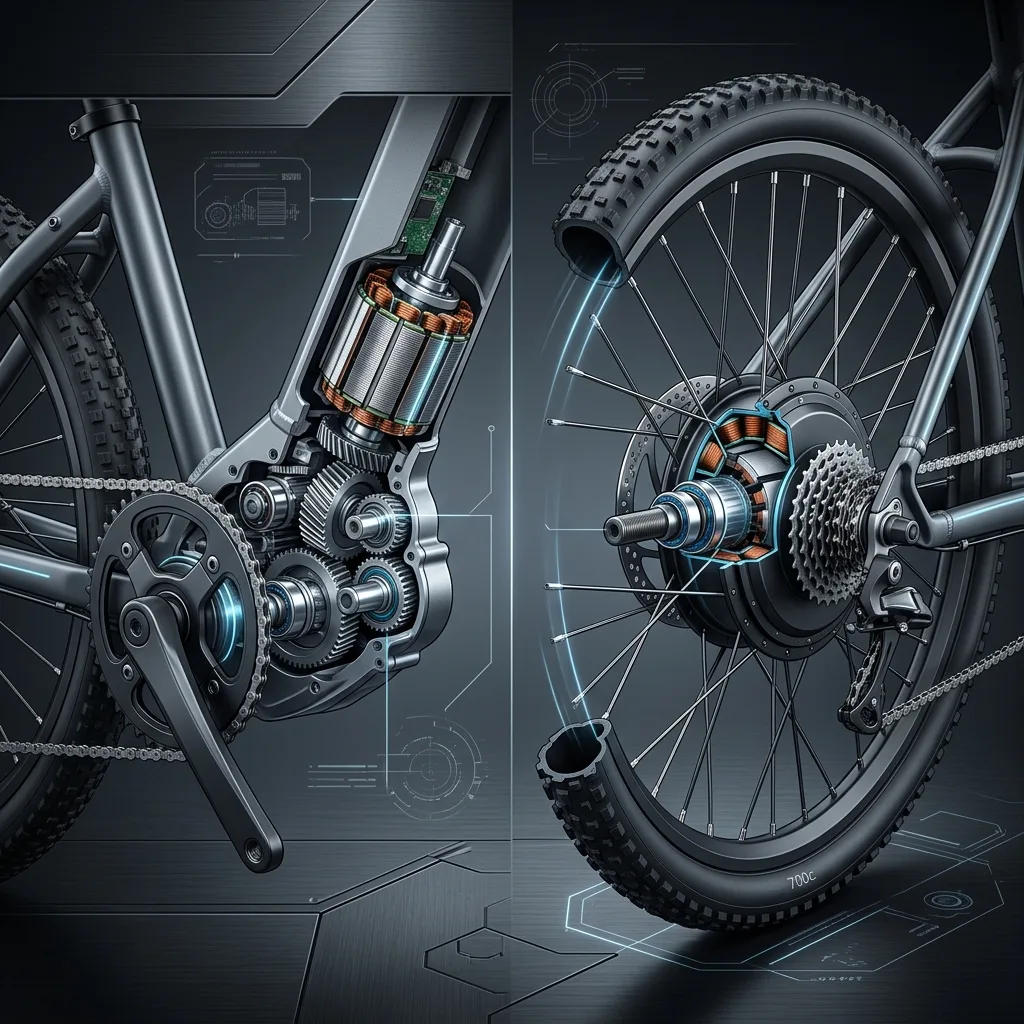
The Evolve Leopard’s 2000W motor produces a peak torque that outclasses the Vlektra’s 1500W unit at the low-to-mid speed range (0–60 km/h) — which is exactly where 90% of Pakistani urban riding actually happens. Consistent reports from Leopard owners in Karachi indicate the bike maintains 55–65 km/h on steep flyover approaches with no perceivable power drop under standard rider and cargo weight. The motor does not require throttle babying to sustain momentum on inclines.
The Vlektra Velocity 180 handles gradual inclines confidently. However, on steep ramps and bridge approaches at city speeds, owner feedback from Lahore and Islamabad consistently notes a torque drop above 70 km/h when carrying a rear load — the motor pulls back to protect the battery controller. This is not a flaw unique to Vlektra; it is standard behavior for most 1500W systems under load on steep gradients. But it is something buyers expecting petrol-bike-equivalent hill performance should understand before purchase.
Range The Truth About Range Anxiety — Advertised vs. What You Actually Get
Both brands have optimistic marketing ranges. Neither figure survives contact with Pakistani roads.
| Scenario | Evolve Leopard (Claimed: 120 km) | Vlektra Velocity 180 (Claimed: 90 km) |
|---|---|---|
| Light rider (70 kg), flat city roads | 105–115 km | 80–88 km |
| Standard commuter (85 kg), mixed traffic | 88–96 km | 68–76 km |
| Heavy rider (100 kg) with rear load | 70–80 km | 55–63 km |
| Motorway / highway at 80+ km/h | 72–82 km | 50–58 km |
| Summer (45°C), city stop-and-go | 80–90 km | 62–70 km |
The Vlektra’s range gap widens under the two conditions most common in Pakistani riding: carrying weight and high ambient temperatures. Its 72V standard lithium-ion pack begins to show measurable capacity reduction after sustained exposure to 45°C+ conditions — a consistent complaint in owner forums by the second or third summer of ownership.
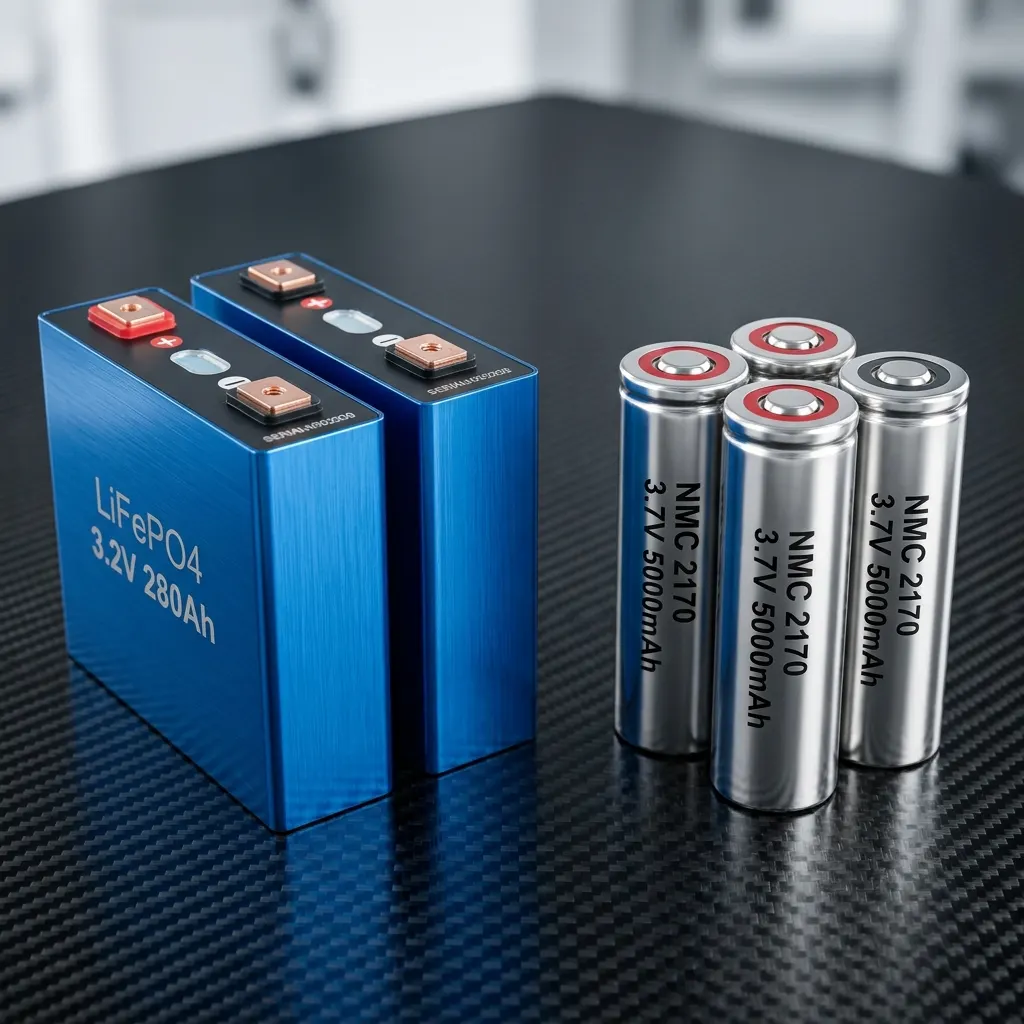
The Evolve Leopard’s LFP chemistry is chemically stable above 45°C. This is not a marketing claim — it is a property of lithium iron phosphate at the molecular level. The practical result, validated by long-term commercial fleet users, is that an LFP battery in its third year retains 85–90% of its original capacity, versus 70–75% for a standard Li-ion pack under equivalent charge-discharge cycles in Pakistan’s climate.
Comfort Ride Comfort on Bad Roads — What the Suspension Actually Does
This is where the two bikes diverge most sharply in their design intent — and where daily commuters will feel the difference most acutely after 30 minutes in Karachi’s inner city.
The Vlektra Velocity 180 uses a sport-biased suspension setup tuned for stability at speed on reasonable roads. The rear monoshock and front telescopic forks are stiffer than a comfort-oriented commuter bike. Analysis of owner reports from Lahore’s Model Town and Karachi’s Gulshan-e-Iqbal areas — both known for broken service roads — shows consistent complaints about harsh feedback through the seat and handlebars on rough surfaces at low city speeds (20–35 km/h). The sport riding position also puts more weight on the wrists, which becomes fatiguing on slow, potholed roads.
The Evolve Leopard uses a more upright, delivery-oriented riding position with a dual-shock rear setup tuned for load-bearing over potholes. It absorbs road irregularities noticeably better in the 20–50 km/h urban range. Riders covering mixed road quality — smooth arterial roads combined with potholed side streets — report significantly less fatigue over multi-hour riding sessions compared to the Vlektra. The trade-off is a less planted, less responsive feel at higher speeds.
Put simply: the Vlektra is built for what riders want roads to be. The Evolve is built for what Pakistani roads actually are.
Build Quality & Known Failure Points
Both bikes are assembled in Pakistan using imported core components. Neither is built to the same tolerance as a Honda or Yamaha. The critical question is: where exactly does each bike begin to show its assembly quality limits under daily commercial pressure?
Evolve Leopard Known Strengths & Failure Points
The Leopard’s frame welds receive consistently positive feedback. The heavy-duty steel construction shows no reported cracking or fatigue in owner reports covering up to 18,000 km of mixed urban and inter-city use. The LFP battery pack is sealed and has no reported swelling incidents — an important distinction from standard Li-ion packs that can swell under heat and cause housing damage.
The identified weakness in long-term Evolve Leopard ownership is the display unit and handlebar-mounted controls. The plastic housing on the instrument cluster is thin and begins showing UV fading and micro-cracks in direct sunlight exposure after 8–12 months in cities with high solar intensity. The connectors are adequate but not waterproof — a real risk for Karachi riders during monsoon. Owners consistently recommend aftermarket waterproofing tape over connector points as a preventive measure from day one.
The rear delivery frame mounting points are robust, but after 15,000+ km of heavy daily loading, some owners report loosening of the mounting bolts — a standard maintenance check item at every service interval, not a design flaw per se.
Vlektra Velocity 180 Known Strengths & Failure Points
The Vlektra Velocity 180’s frame and cosmetic panels are a more complex picture. The painted panels look sharp in the showroom. In daily use on rough roads, the fender mounting points on early production units show a tendency toward rattle and stress-cracking at the plastic clip points after 6–9 months. This is a cosmetic rather than structural issue, but it is the first thing owners notice and the first thing that makes a nearly-new PKR 195,000 bike feel cheaper than its price.
The more serious concern is the battery management system (BMS) behavior under sustained high-speed riding. Consistent reports from owners who regularly ride above 75 km/h for extended periods indicate that the BMS enters a protective throttle-limiting mode after 25–30 minutes of sustained high-speed use — a thermal protection response. This is safe and by design, but it is not disclosed in marketing materials and surprises riders who are using the bike for longer motorway runs.
The Vlektra’s brake components are a genuine strength. Its disc brake setup provides solid stopping confidence and has generated almost no complaints from commuters — one of the few areas where the Vlektra clearly matches or exceeds the Evolve.
Who Should Absolutely NOT Buy These Bikes
- You ride primarily for the thrill of it and want the fastest, most exciting EV experience — the Leopard is built for endurance, not excitement
- Your daily route is mostly flat, under 50 km, and you carry minimal weight — you will be paying a premium for capabilities you don’t need
- You need a quick mid-shift top-up — the 6-hour charge time means no practical mid-day recharge on delivery shifts without a dedicated charge point
- You are a lightweight rider (under 65 kg) who wants a nimble city bike — the heavy-duty frame makes it feel sluggish at low speeds compared to lighter options
- Your bike is your income — delivery riders and Bykea/Foodpanda partners need a bike that never skips a day, and the Velocity 180’s BMS limitations make it a liability on long commercial shifts
- You ride primarily in cities that exceed 43°C regularly (Multan, Hyderabad, Sukkur) — the Li-ion battery degrades measurably faster in sustained extreme heat
- You carry regular rear loads above 80 kg — the 120 kg payload limit leaves minimal margin when factoring in rider weight and cargo combined
- You expect motorway performance — BMS throttle protection kicks in during sustained high-speed runs, removing exactly the performance you paid for
Brutally Honest Pros & Cons
- LFP battery retains 85–90% capacity after 3 years of daily charging in Pakistan’s heat
- 2000W motor sustains torque under heavy load on steep flyovers without throttle drop
- 180 kg payload covers rider + cargo with real safety margin
- Upright riding position reduces fatigue over long daily shifts
- Frame weld quality holds up past 18,000 km without reported structural issues
- Effective PKR 200K after PAVE subsidy — competitive for this battery class
- Display unit housing is thin plastic that fades and cracks in direct UV exposure within 12 months
- Connector points are not factory waterproofed — a real monsoon risk without aftermarket treatment
- 6-hour charge time rules out mid-shift top-ups for delivery riders without a fixed charge point
- Feels heavy and less agile at low city speeds compared to lighter commuter bikes
- Top speed caps at approximately 80 km/h — adequate but unremarkable for a PKR 280K bike
- Higher top speed (90–95 km/h) makes it usable on motorway sections
- Sport riding position and chassis tuning deliver genuine excitement — it does feel like a performance bike
- Disc brake performance is consistently praised — strong, progressive stopping in wet conditions
- Lighter weight makes it more agile in tight city traffic
- Effective PKR 115K after PAVE subsidy — the best performance-per-rupee proposition in Pakistan’s EV market
- BMS enters protective throttle-limiting mode after 25–30 minutes of sustained high-speed riding — not disclosed in marketing
- Standard Li-ion battery loses 25–30% capacity within 2–3 years of daily summer charging in 45°C+ cities
- Fender mounting clips on early production units crack within 6–9 months on rough roads
- Sport suspension tuning makes rough inner-city roads genuinely uncomfortable at low speeds
- Real-world range of 55–63 km at highway speeds makes any route over 45 km nerve-inducing
- 120 kg payload limit is tight for a 90 kg rider carrying even moderate rear cargo
Category-by-Category Scoring
The Mid-Range Alternative: What If Neither Is Right?
There is a scenario where neither of these bikes is the right answer: the rider doing 50–70 km daily who wants reliability without the Leopard’s weight and price premium, and more comfort than the Vlektra’s sport setup delivers.
The Evolve Nova White at PKR 185,000 (PKR 105,000 after PAVE subsidy) sits directly in that gap. It delivers 100 km real-world range, a Smart Thermal BMS for summer charging safety, and a 1200W motor adequate for city flyovers with standard rider weight. It does not have the Leopard’s LFP battery — but its 72V smart-managed pack retains capacity better than the Vlektra’s unmanaged equivalent over three years of daily use.
For readers who fit neither the “heavy-load daily rider” profile that suits the Leopard nor the “enthusiast who accepts BMS limitations” profile that suits the Vlektra — the Nova White is a more honest bike for more people. Read the full Evolve Nova White review for the complete analysis.